 ×
×
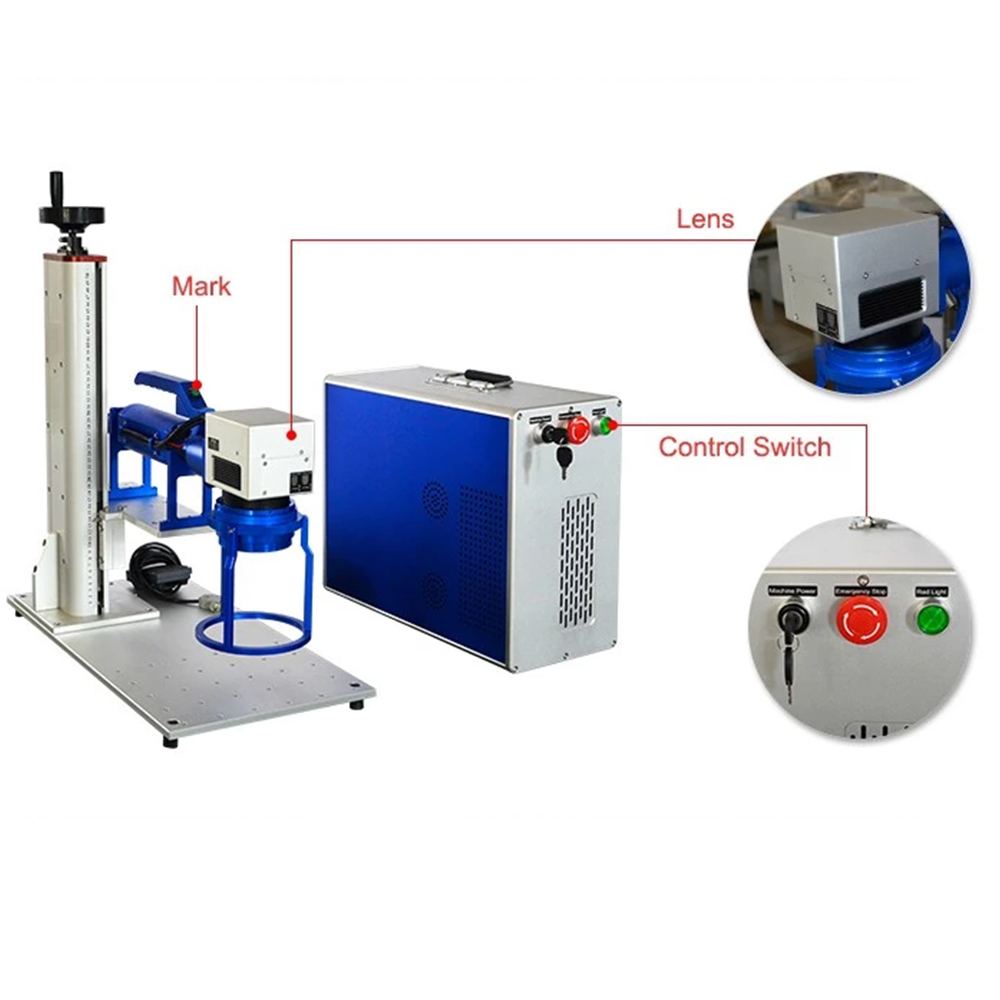
The Technology Behind Permanent Marking A laser marking machine uses a focused beam of amplified light to create permanent marks on material surfaces without physical contact, inks, or mechanical tooling. Unlike inkjet printing that deposits ink on...
VIEW MORE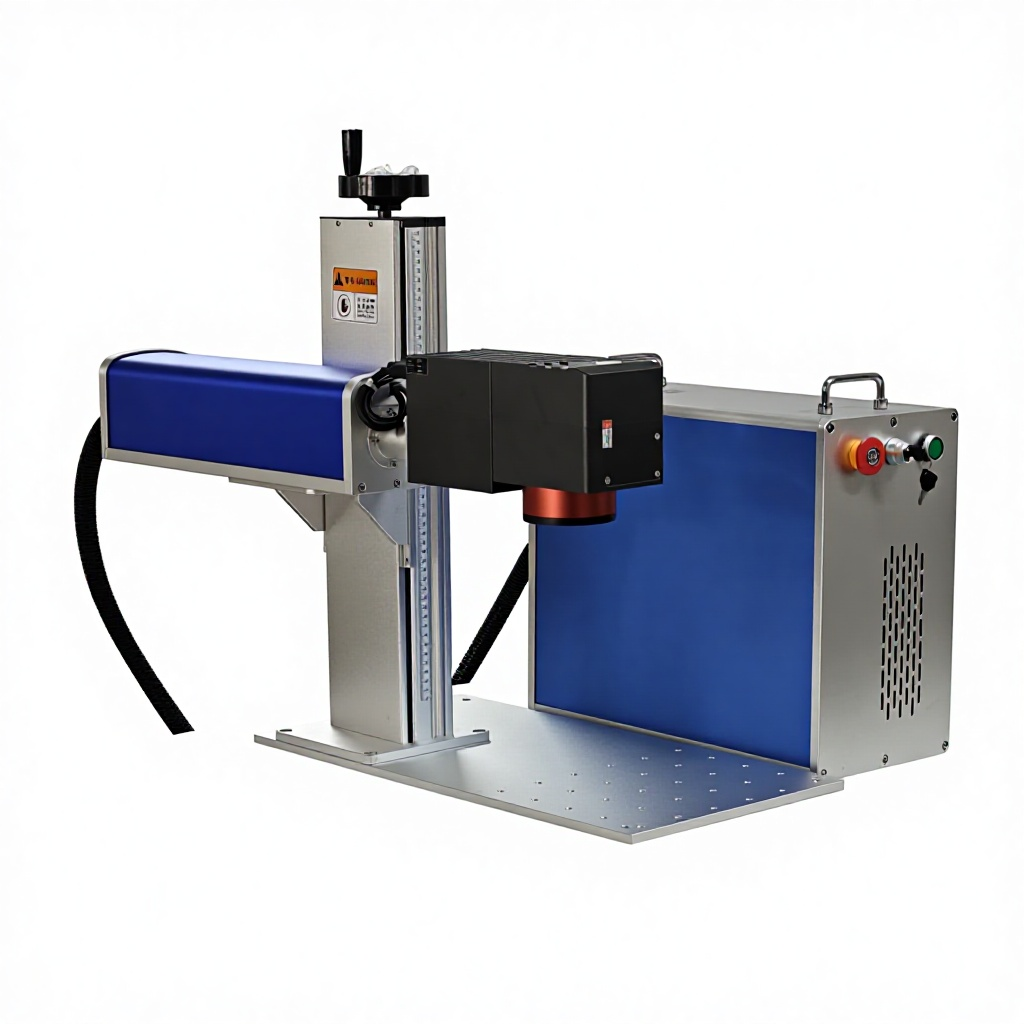
Matching Marking Technology to Application Requirements Selecting a fiber laser marking machine begins with defining two parameters: the materials to be marked and the required throughput. A system optimized for deep engraving on 100 steel tools pe...
VIEW MORE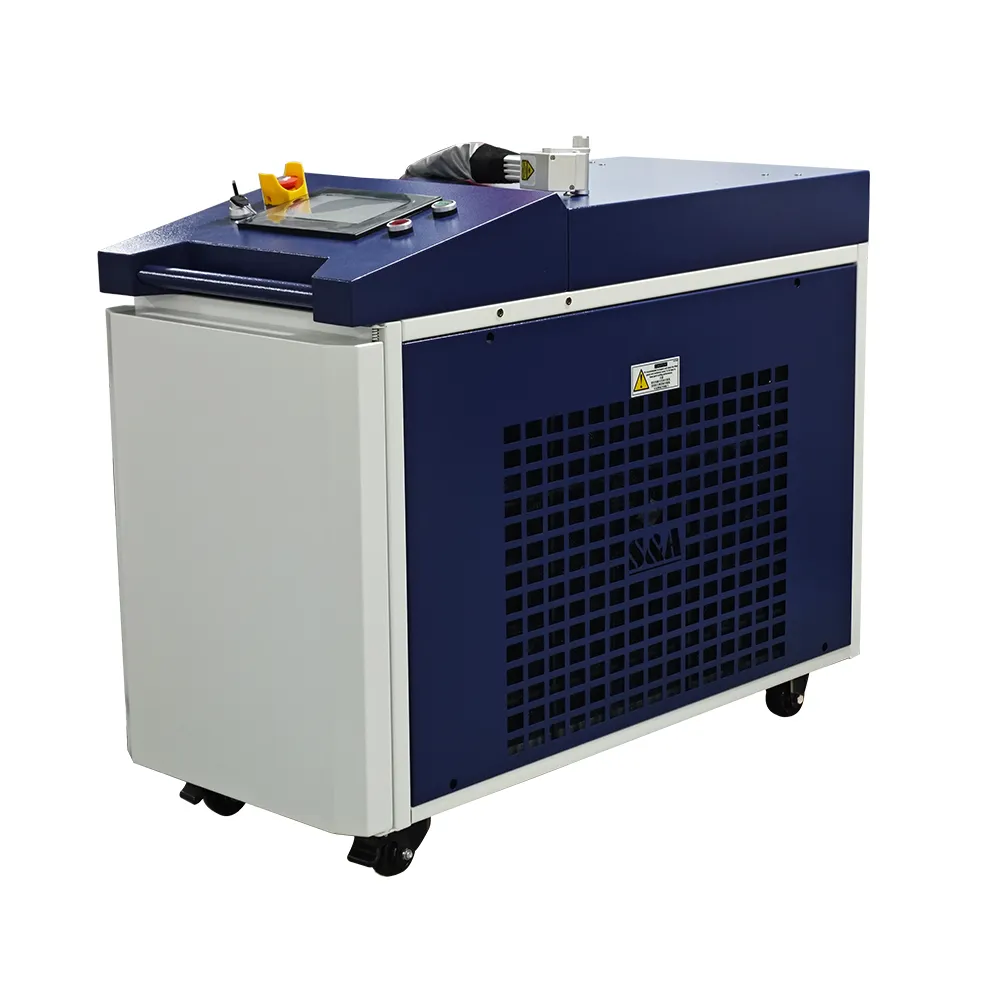
The Material Versatility of Laser Cleaning Technology Laser cleaning has moved from laboratory curiosity to routine industrial use. The principle is simple — high-energy laser pulses vaporize surface contaminants without damaging the underlyi...
VIEW MORE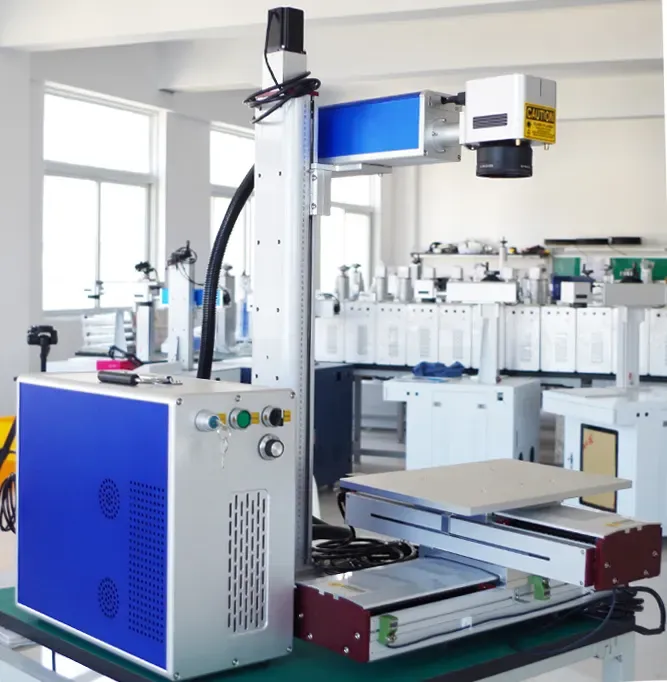
The Versatility of Laser Cleaning Technology Laser cleaning has moved from laboratory curiosity to routine industrial use. The principle is simple — high-energy laser pulses vaporize surface contaminants without damaging the underlying substr...
VIEW MORE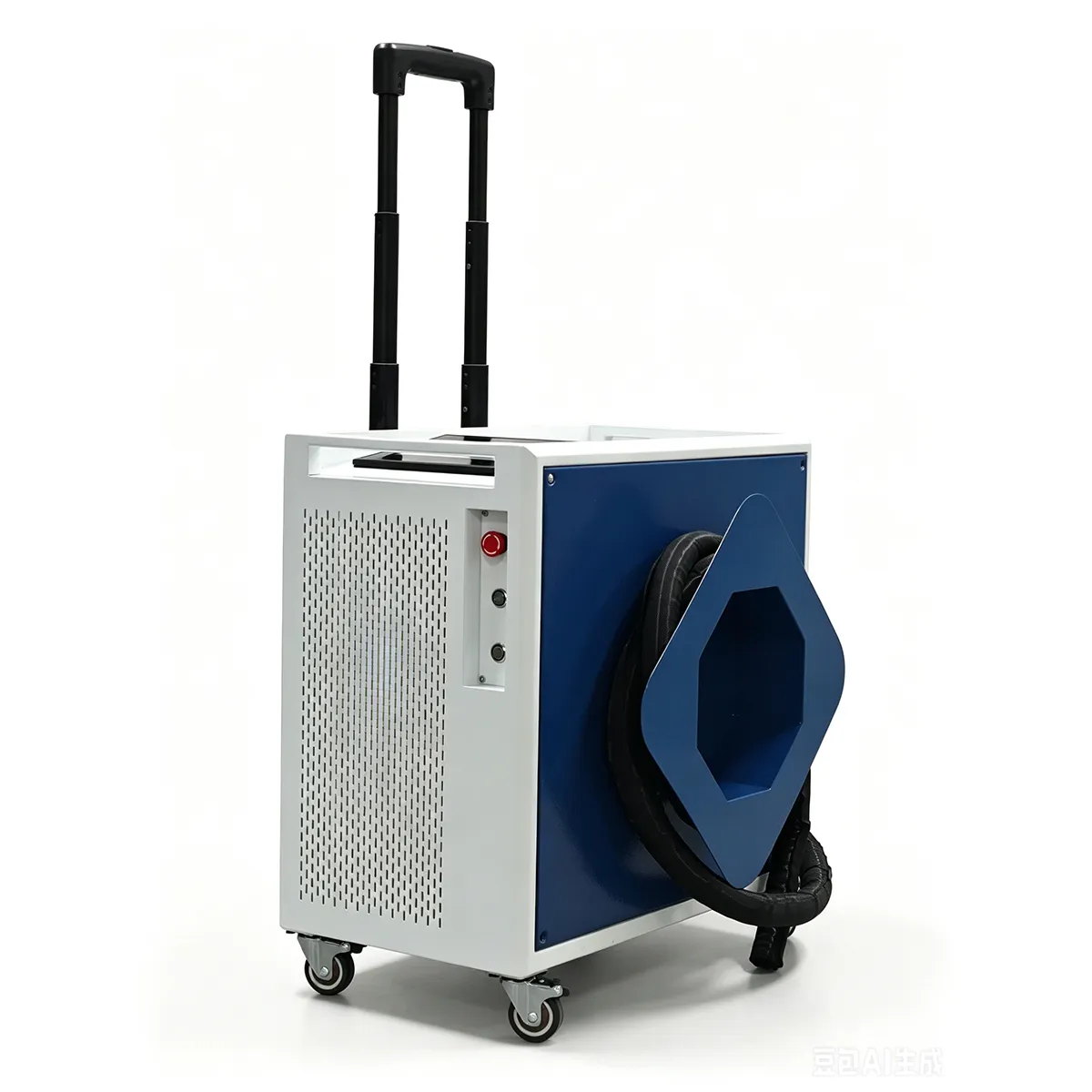
Laser Radiation Hazards — Eye and Skin Protection A laser cleaning machine operating at 1,064 nm in the infrared spectrum produces a beam invisible to the human eye. The absence of a visible beam creates the most dangerous safety condition &m...
VIEW MORE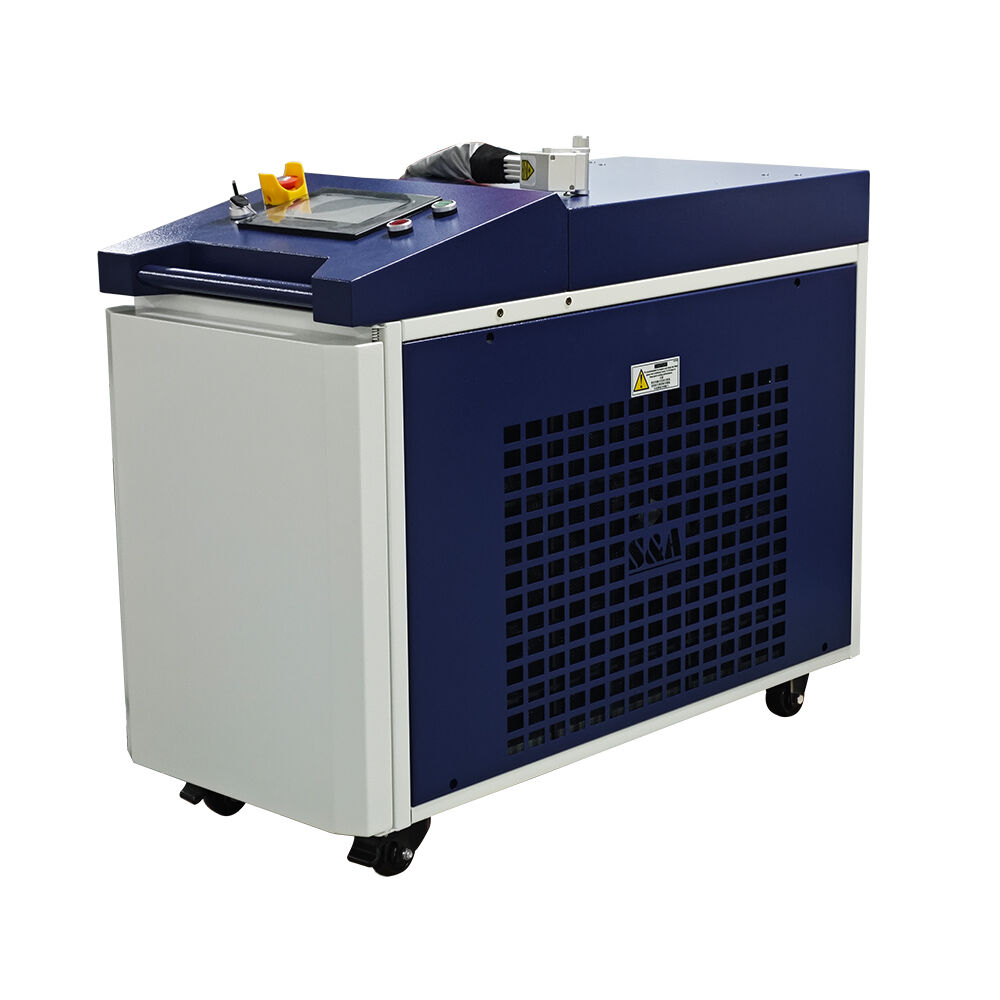
The 500W Power Sweet Spot for Industrial Cleaning A 500W pulsed fiber laser sits at the intersection of cleaning speed, surface safety, and operational cost. Below 200W, rust removal on 6 mm steel plate requires multiple passes, pushing cycle times...
VIEW MORE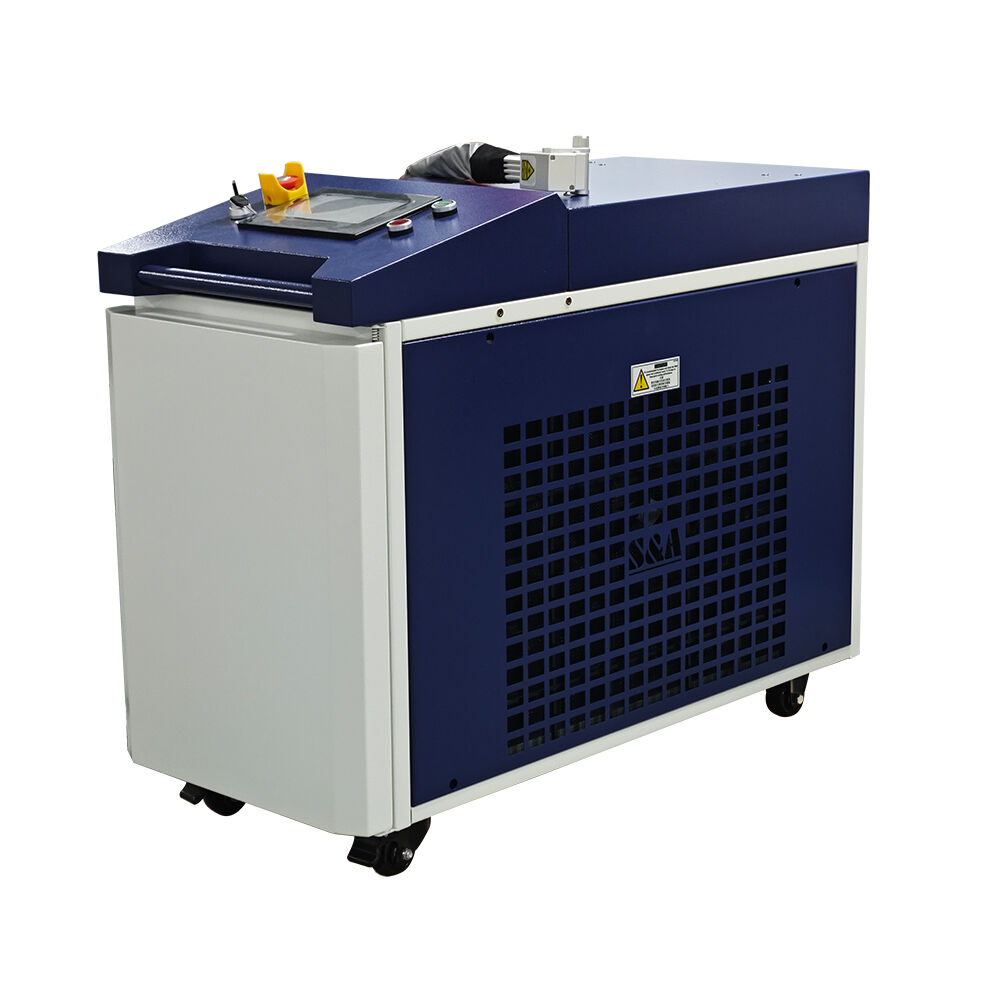
How Laser Rust Removal Actually Works Laser rust removal is a physical process in which high-energy laser pulses strike the rust layer and convert it directly into vapor or microscopic debris. The laser beam, at 1,064 nm wavelength from a pulsed fi...
VIEW MORE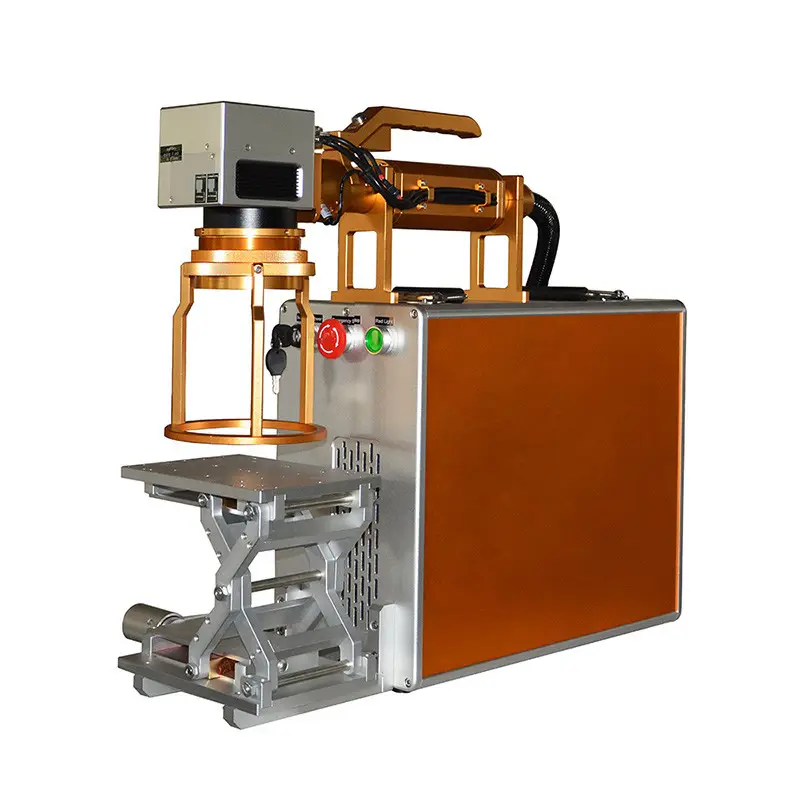
Core Physical Differences: Thermal Mechanisms and Material Interaction Continuous vs. pulsed energy delivery: Sustained heating versus micro-ablation Continuous wave (CW) lasers emit constant energy, causing gradual thermal buildup in both contamin...
VIEW MORE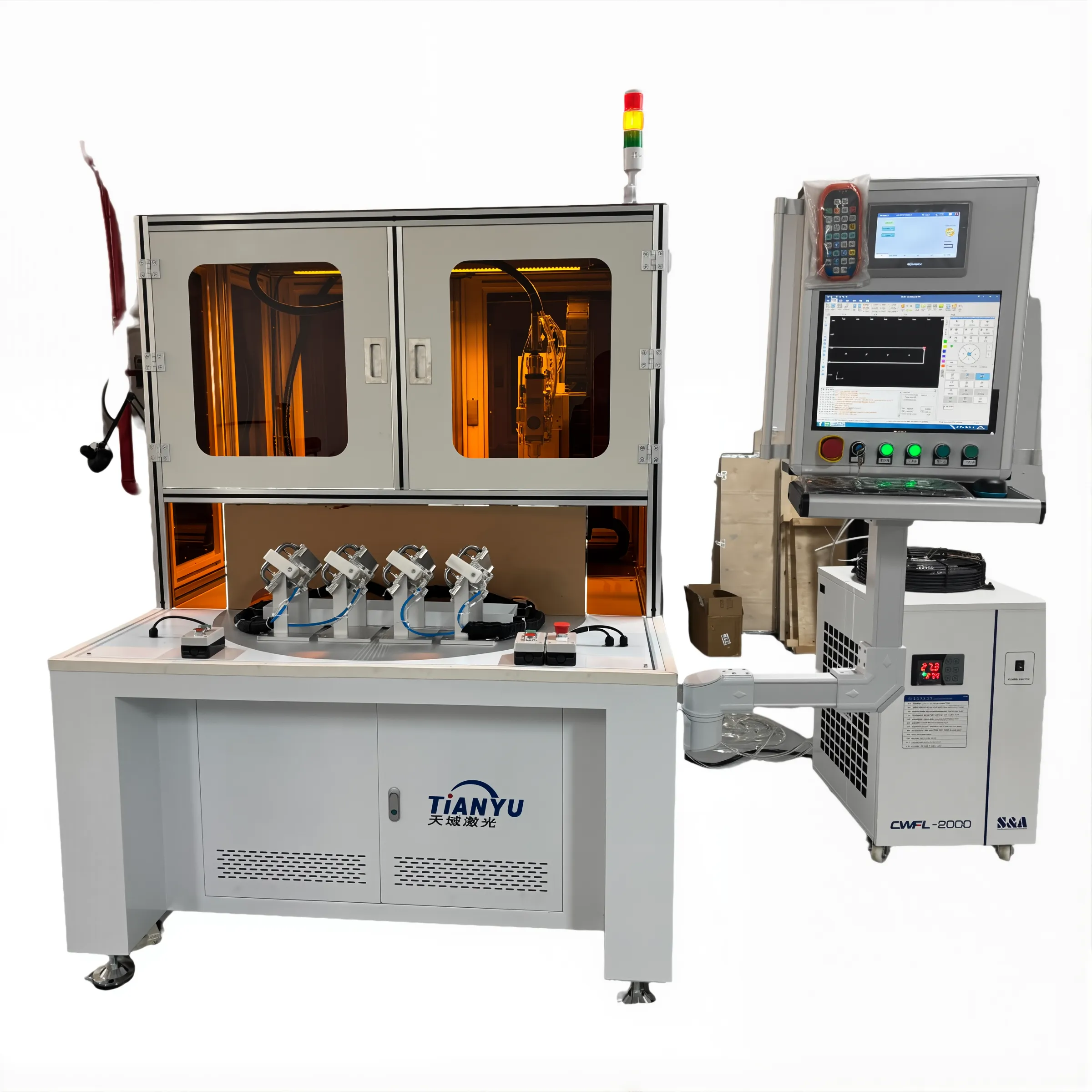
Laser Welder Power Output and Its Real-World Thickness Limits Power–Thickness Relationship Across Common Industrial Laser Welder Classes (1–20 kW) Industrial laser welders follow a predictable—but non-linear—relationship bet...
VIEW MORE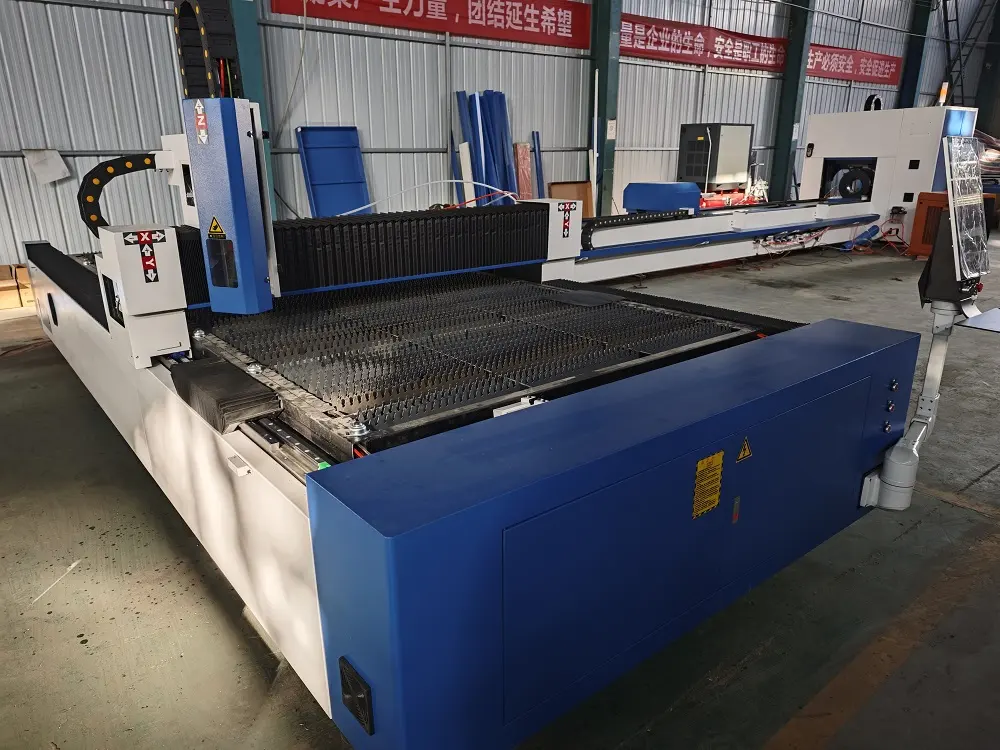
Material-Specific Thickness Limits for a 3000W Laser Cutting Machine Carbon Steel: Achieving Clean Cuts Up to 25 mm Carbon steel delivers optimal performance with a 3000W laser cutting machine, cleanly processing sheets up to 25 mm thick. Oxygen as...
VIEW MORE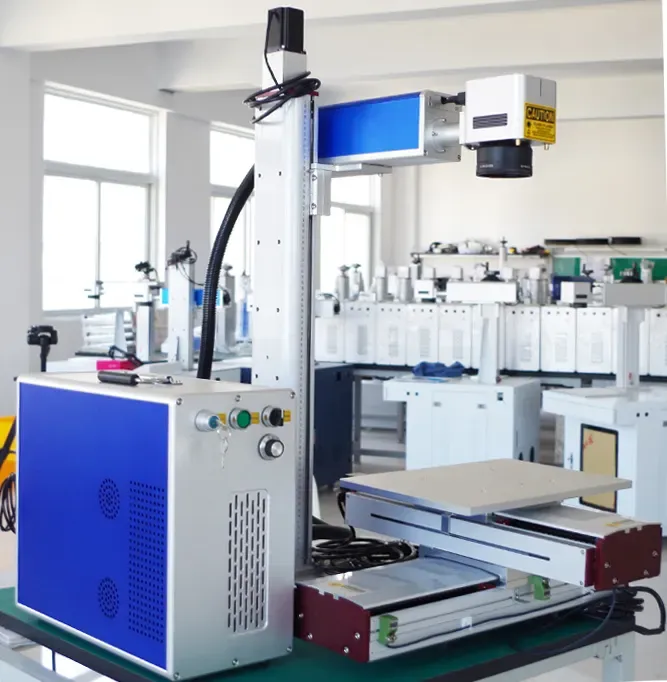
Understanding Laser Power Levels and Their Core Applications Selecting the optimal power level for your laser cleaning machine requires understanding how wattage ranges correspond to distinct industrial use cases and technical trade-offs. Below is ...
VIEW MORE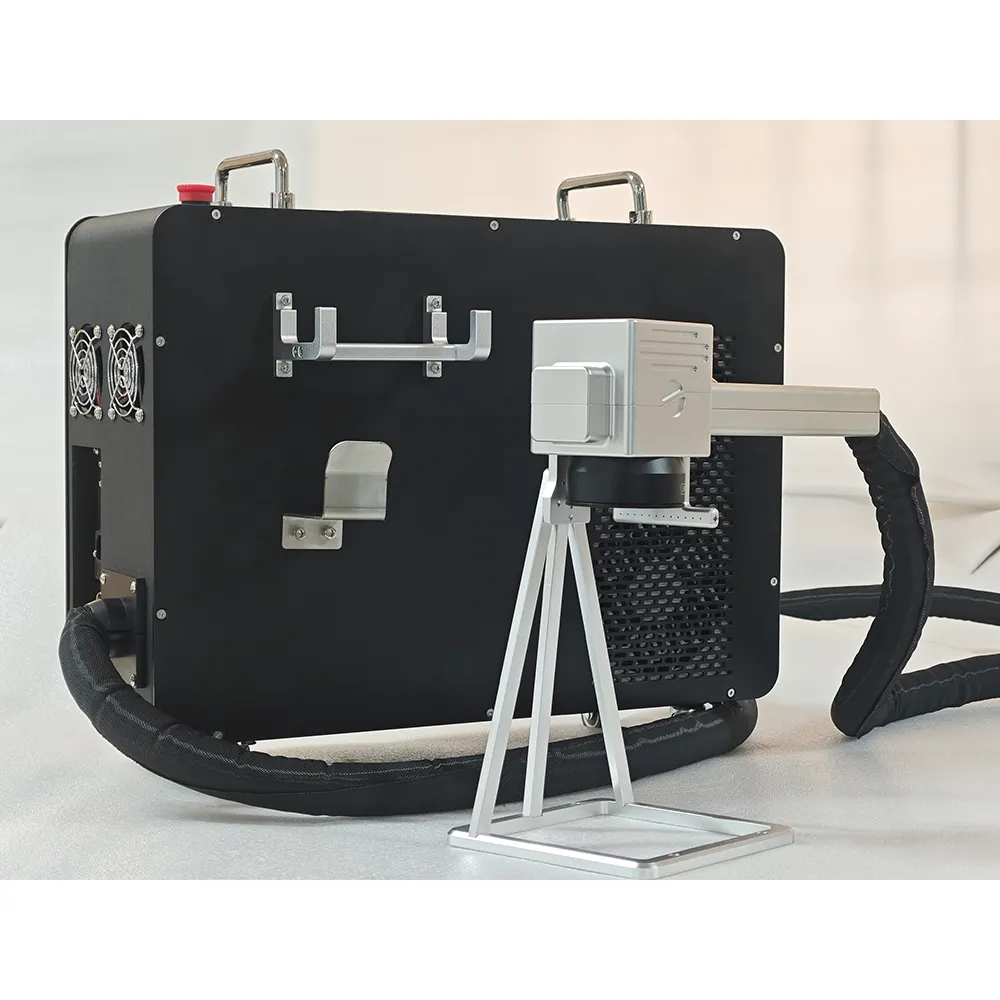
The Science Behind Laser Graffiti Removal: Precision Ablation Without Damage How Laser Ablation Selectively Removes Graffiti While Preserving Substrates Laser ablation leverages differential light absorption to eliminate graffiti without harming un...
VIEW MORE
 EN
EN

