
 EN
EN



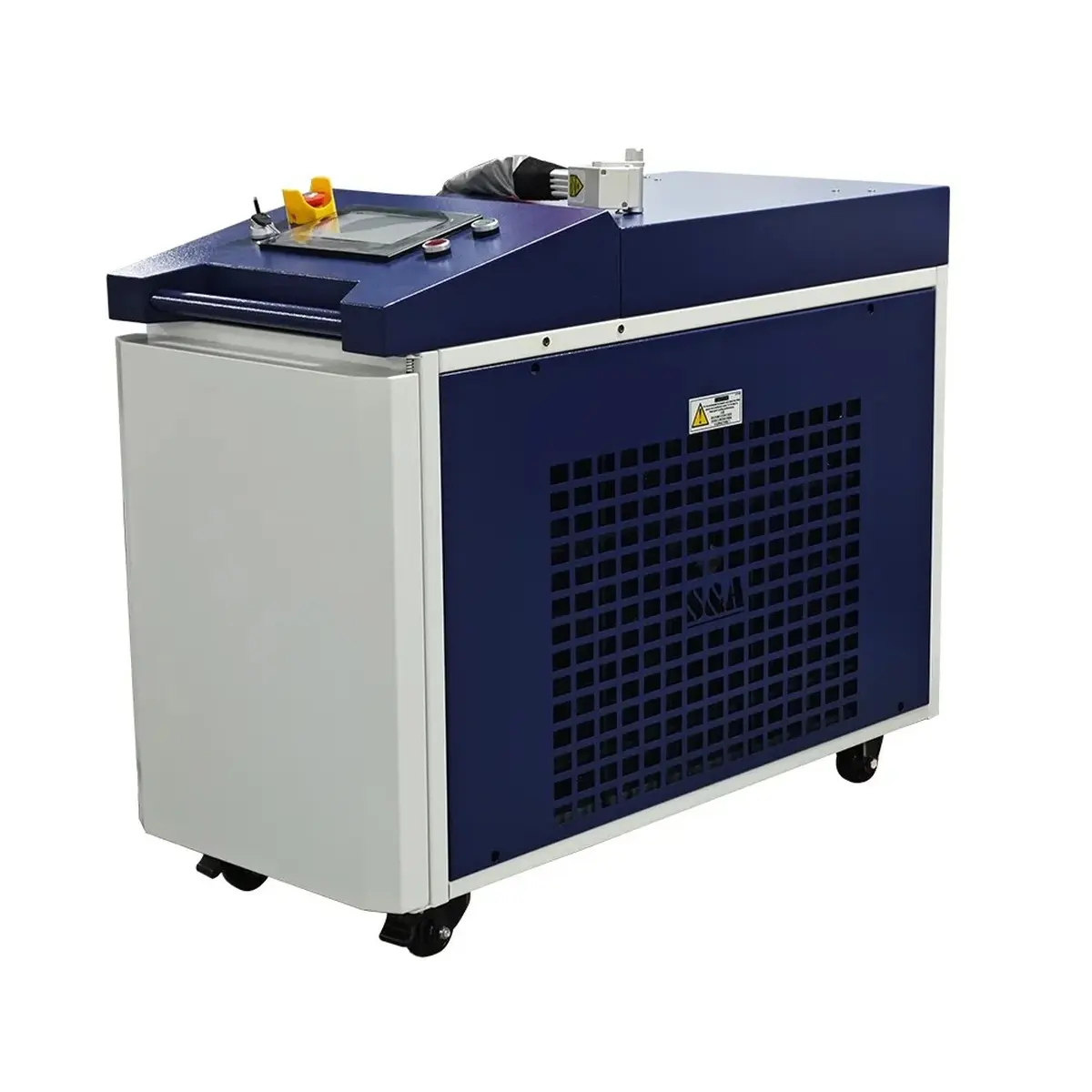
A contract coater lost a tender after quoting a 1000 W unit that could not keep pace with a customer's weekly rust volume. The spec sheet looked fine, but duty cycle and beam delivery were wrong for the part size. That miss drove a stricter internal checklist before any laser cleaning machine is quoted to a client or committed to the floor for daily production.
The Risk Of Buying On Headline Power
Many buyers fixate on wattage and ignore pulse energy, repetition rate, and duty cycle. A high average power with poor beam quality wastes energy as heat and slows real cleaning.
Why Single-Number Specs Mislead
A datasheet may list 2000 W yet omit how long it holds that power. If the chiller saturates after twenty minutes, the practical rate drops. Buyers who measure only peak watts miss the gap between showroom demo and shift-long reality. The honest metric for any laser cleaning machine is sustained cleaning area per hour on the buyer's own coating, not the peak on a brochure that a sales engineer highlights in the first meeting with the procurement team who will run the laser cleaning machine after delivery.
Hidden Cost Of Wrong Beam Delivery
A galvanometer head suits flat, repeated areas; a wobble or ring mode helps uneven surfaces. Cable length and head weight affect operator fatigue on large structures. These details separate a workshop tool from a production asset, and they rarely appear in a headline advertisement that leads with watts alone instead of the beam path that actually does the work on the part, which is why a spec sheet for a laser cleaning machine should list them.
What The Specification Actually Tells You
A credible laser cleaning machine lists pulse width, peak power, spot size range, and confirmed duty cycle at the rated power. Pulse width decides whether heat stays in the contaminant. Peak power, not just average wattage, drives ablation on hard scale. Duty cycle confirms how long it runs before the chiller needs a rest during a long shift that stretches past the comfortable demo window the supplier arranged. That spec separates a serious laser cleaning machine from a toy.
Pulse Width And Peak Power
Short pulses ablate coating with minimal substrate heat, which protects thin parts. A buyer should ask for the beam-profile report, not just the watt number, because two units with equal watts can clean at different real rates depending on pulse shape and optical quality from the bench.
Duty Cycle And Cooling
Duty cycle is the share of a period the source delivers rated power without thermal trip. Confirm the chiller capacity matches the rated load so the laser cleaning machine keeps running through a full shift without throttling the beam mid-job, because a thermal trip during a customer order is exactly the failure a buying committee wants to avoid.
Standards And Supplier Checks
Industrial Class 4 systems should meet ANSI Z136.1 with documented enclosures, interlocks, and eyewear ratings. A manufacturer holding ISO 9001 shows consistent build and calibration process. TYLaser publishes duty-cycle and beam-profile data so buyers can validate claims against their own parts rather than a catalog that omits the numbers that actually matter for throughput.
Certification That Matters
ANSI Z136.1 covers laser safety; ISO 9001 covers process control at the builder; NFPA 70E covers electrical service. Request the certificate and the test method behind each claim. A credible laser cleaning machine supplier publishes these without hesitation and answers questions about the calibration bench used per serial number on the line, because a certificate without a test method proves little when an auditor asks for the underlying data.
Demo On Your Own Parts
Request a live clean on a sample from the buyer's inventory, not a polished showpiece. Measure cycle time per part, check edge definition, and confirm extraction volume. Review the training plan and the service interval for the laser cleaning machine you intend to buy. A supplier unwilling to clean your actual rust type on site with a real laser cleaning machine is a signal to look elsewhere before signing the purchase order, and that reluctance usually hides a spec weakness the demo would expose.
Inspecting And Using The Machine
Set parameters from a test patch and store them per part number. Daily checks: chiller temperature, optics, and pulse count. Replace extraction filters on schedule. Log cleaning results so throughput trends stay visible. A disciplined routine protects the source and keeps the laser cleaning machine within its rated life while supporting audit trails for quality teams on the floor who need proof the process is controlled and repeatable.
Pre-Purchase Inspection List
Confirm pulse width, peak power, spot range, duty cycle, chiller capacity, head weight, cable length, interlock type, eyewear rating, spare-part lead time, and firmware policy. Tick each before payment. This list prevents the most common 2026 buying errors seen across job shops and maintenance departments that scale up too fast. A laser cleaning machine chosen against this list rarely disappoints once the honeymoon period ends and real volume arrives.
Daily Use And Maintenance
Keep a parameter library per contaminant and part family. Verify focus before long runs and clean optics with approved wipes. Log pulse counts against the service interval and replace extraction filters on time. TYLaser includes a per-serial schedule so maintenance stays predictable and the laser cleaning machine performs consistently across changing production volumes A laser cleaning machine bought on spec alone risks downtime and rework that a proper test would have caught. Buying the right laser cleaning machine on duty cycle, pulse, safety, and a live demo on real parts keeps the investment aligned with the actual workload and protects throughput from day one. The right laser cleaning machine pays for itself in avoided stoppages, which a purchasing manager is ultimately judged on by the plant.
Frequently Asked Questions
Question: How much power should a 2026 laser cleaning machine have?
Answer: Power follows the weekly load and coating hardness, not a trend. Light oxide on small parts suits 1000 W; thick mill scale on structures benefits from 1500–2000 W. Confirm duty cycle and pulse energy, because those decide real throughput. A demo on your own parts gives the only reliable answer before purchase is committed, and prevents buying either too little or far too much for the actual job.
Question: Is a pulsed or CW laser better for cleaning?
Answer: Pulsed sources dominate rust and paint removal because short pulses ablate coating with minimal substrate heat. Continuous wave suits some heating or bonding prep but risks warping thin parts. For most industrial rust work, a pulsed fiber laser cleaning machine offers safer, more selective results across mixed inventories of parts that vary in thickness and coating from one order to the next.
Question: What safety certification matters most?
Answer: ANSI Z136.1 governs safe laser use with enclosures, interlocks, and eyewear for Class 4 systems. ISO 9001 at the builder shows process control. Confirm NFPA 70E compliance for the electrical service routine. Request the documentation during evaluation so the machine fits your site safety plan from day one, and keep the certificates with the equipment file where auditors expect to find them.
Question: How can a buyer verify a supplier's claims?
Question: What is the real running cost?
Question: Can one machine handle rust, paint, and oil?
Answer: A tuned pulsed source handles rust, loose paint, and surface oil by adjusting fluence and pulse shape per layer. Heavy cured coatings may need a different preset or pre-treatment. Storing a parameter set per contaminant keeps one laser cleaning machine flexible across daily shop tasks without re-engineering the setup, and lets a single operator switch jobs without calling an applications engineer each time.