
 EN
EN



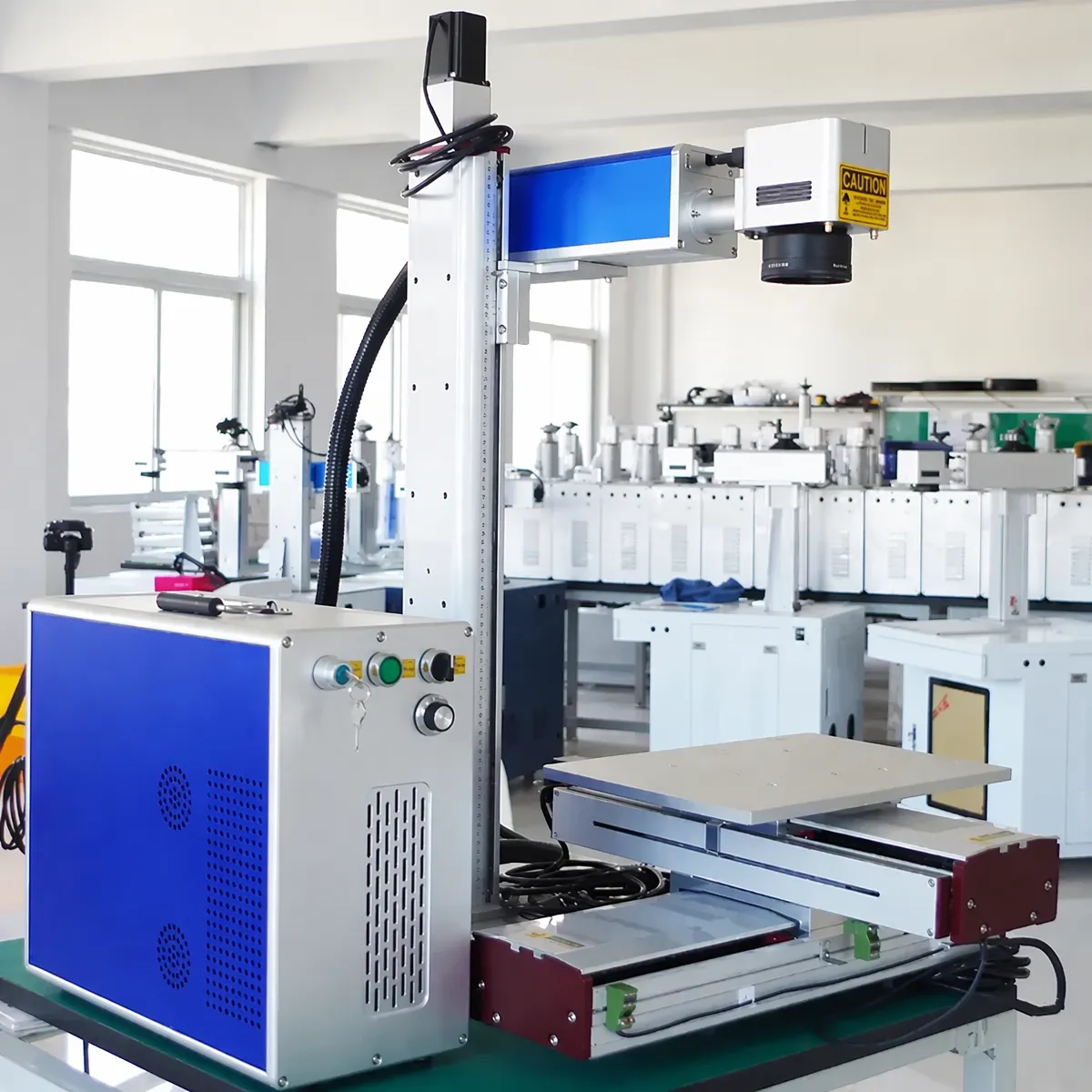
Beyond the Torch: Why a Laser Cutting Machine Makes Craftsmanship Possible at Scale
A hand-cut metal sign made with a plasma torch carries the maker's signature in every slightly irregular curve — the hallmark of craftsmanship when a single piece is the product. But when the order calls for 500 identical sign brackets, each requiring 14 internal cutouts, three threaded holes, and an edge finish smooth enough for powder coating without grinding, the plasma torch becomes a bottleneck that turns craftsmanship into compromise. A laser cutting machine resolves this tension by delivering the precision of CNC motion control to the clean-cutting physics of a focused fiber laser beam — producing the edge quality, dimensional accuracy, and design complexity that hand processes cannot achieve across volume production.
The physics of laser cutting explain why the process produces edges that need no secondary finishing. A fiber laser cutting machine focuses a 1064 nm wavelength beam through a lens assembly onto the metal surface, creating a spot approximately 0.05–0.1 mm in diameter with power density exceeding 10⁶ W/cm². The metal at the focal point melts and vaporizes instantly. A coaxial jet of assist gas — oxygen for mild steel (exothermic reaction adds cutting energy), nitrogen for stainless steel and aluminum (inert gas prevents oxidation at the cut edge) — blows the molten material through the kerf, leaving a cut edge that measures 0.1–0.3 mm wide with a surface roughness (Ra) of 3.2–6.3 μm. For comparison, a plasma-cut edge typically measures 1.5–3 mm wide with Ra of 12.5–25 μm — functional but visibly rough. Wuhan Maohe Tianyu Laser Equipment, with 15 years of laser manufacturing experience and 8,000+ units delivered annually to customers in 140 countries, produces laser cutting machines that achieve the narrow kerf and clean edge finish that distinguish craftsmanship-grade metalwork from commodity fabrication.
Design Freedom: What Hand Cutting Cannot Reproduce
Internal Geometry Without Entry Holes
A decorative metal panel designed with internal filigree patterns — interconnected curves and isolated islands of material — requires either a laser cutting machine or a skilled hand with a jeweler's saw and days of labor per panel. The laser beam's 0.1 mm kerf can navigate corners with radii as tight as 0.2 mm, cutting internal features without needing an entry hole larger than the beam diameter. Hand tools need entry holes at least 2–3 mm to insert a saw blade, destroying the visual continuity that makes the design work. This single capability — cutting complex internal geometry from solid sheet without visible entry points — is why architectural metalwork, custom signage, and decorative fabrication shops standardize on laser cutting machines regardless of their production volume.
Real-World Application: An Architectural Metalwork Studio's Transformation
A custom architectural metalwork studio producing decorative screens, stair railings, and facade panels for high-end residential projects had been outsourcing laser cutting to a job shop — paying $45 per sheet plus a three-day turnaround that stretched to five days during the job shop's busy season. The studio's lead designer was frustrated by the inability to iterate: a design tweak meant another three-day wait, and the accumulated delays pushed project timelines past client deadlines.
The studio invested in a Maohe Tianyu laser cutting machine with a 4 × 8 ft bed capable of cutting mild steel up to 12 mm and stainless steel up to 6 mm. The result transformed the studio's workflow: design iterations that previously took 3–5 days now completed in under 3 hours — design in CAD during the morning, cut a test piece at lunch, approve the final design by afternoon. The laser cutting machine paid for itself in 14 months from the eliminated outsourcing costs alone. But the real value was competitive: the studio began winning projects from architecture firms that had previously rejected their bids because of the long turnaround times.
Frequently Asked Questions
What thickness of metal can a fiber laser cutting machine cut?
A 1–2 kW fiber laser cuts mild steel up to 10–12 mm, stainless steel up to 5–6 mm, aluminum up to 3–4 mm, and brass/copper up to 2–3 mm. Higher-power machines (3–6 kW) extend these limits proportionally. Maohe Tianyu's laser cutting machines are available in multiple power configurations for different material-thickness requirements.
Does laser-cut metal need deburring?
Fiber laser cutting produces minimal burr on mild steel and stainless steel when the assist gas pressure, cutting speed, and focal position are correctly set. Aluminum and copper — which conduct heat away from the cut zone faster — may produce a light burr requiring 5–10 seconds of manual removal per part. The edge quality from a properly set laser cutting machine typically eliminates the grinding step that plasma-cut parts require.
What is the operating cost of a fiber laser cutting machine?
Operating cost consists of electricity (5–15 kW depending on laser power), assist gas (oxygen or nitrogen consumption, approximately 3–8 per hour), and consumables (nozzles, protective windows, and filters — approximately 1–3 per hour). Total operating cost per cutting hour typically ranges from 8 to 20 depending on material, thickness, and assist gas choice.
Can a laser cutting machine cut non-metal materials?
Fiber laser cutting machines are optimized for metals and cannot cut wood, acrylic, or other organic materials — these require a CO₂ laser. Fiber lasers can, however, mark some plastics and cut thin metal foils with backing materials. Maohe Tianyu's product line includes CO₂ laser machines for non-metal cutting applications.
What maintenance does a laser cutting machine need?
Daily: clean the protective lens, check assist gas pressure, inspect the nozzle for spatter buildup. Weekly: clean the cutting table slats, check the chiller water level and temperature. Monthly: calibrate the laser beam alignment, inspect the fiber cable connection, clean or replace air filters. Maohe Tianyu's equipment operates stably for 100,000+ hours with proper maintenance.
How accurate is a fiber laser cutting machine?
Positioning accuracy is typically ±0.05 mm with repeatability of ±0.03 mm over the full cutting bed. Kerf width is 0.1–0.3 mm depending on material and thickness. These specifications mean that parts cut on a laser cutting machine fit together with gap tolerances tight enough for press-fit and tab-and-slot assembly without welding or fasteners.