무료 견적 받기

담당자가 곧 연락드리겠습니다.
이메일
휴대전화/WhatsApp
이름
회사명
문자
0/1000

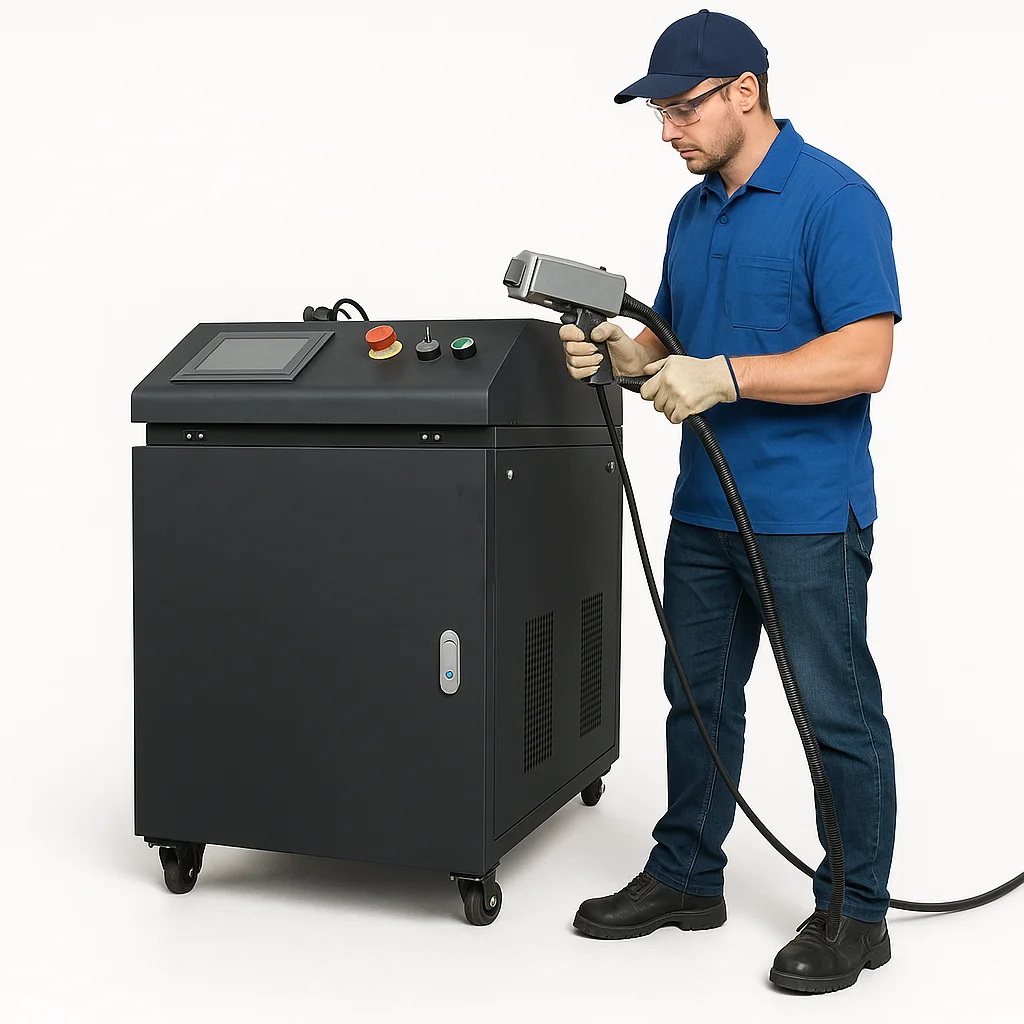
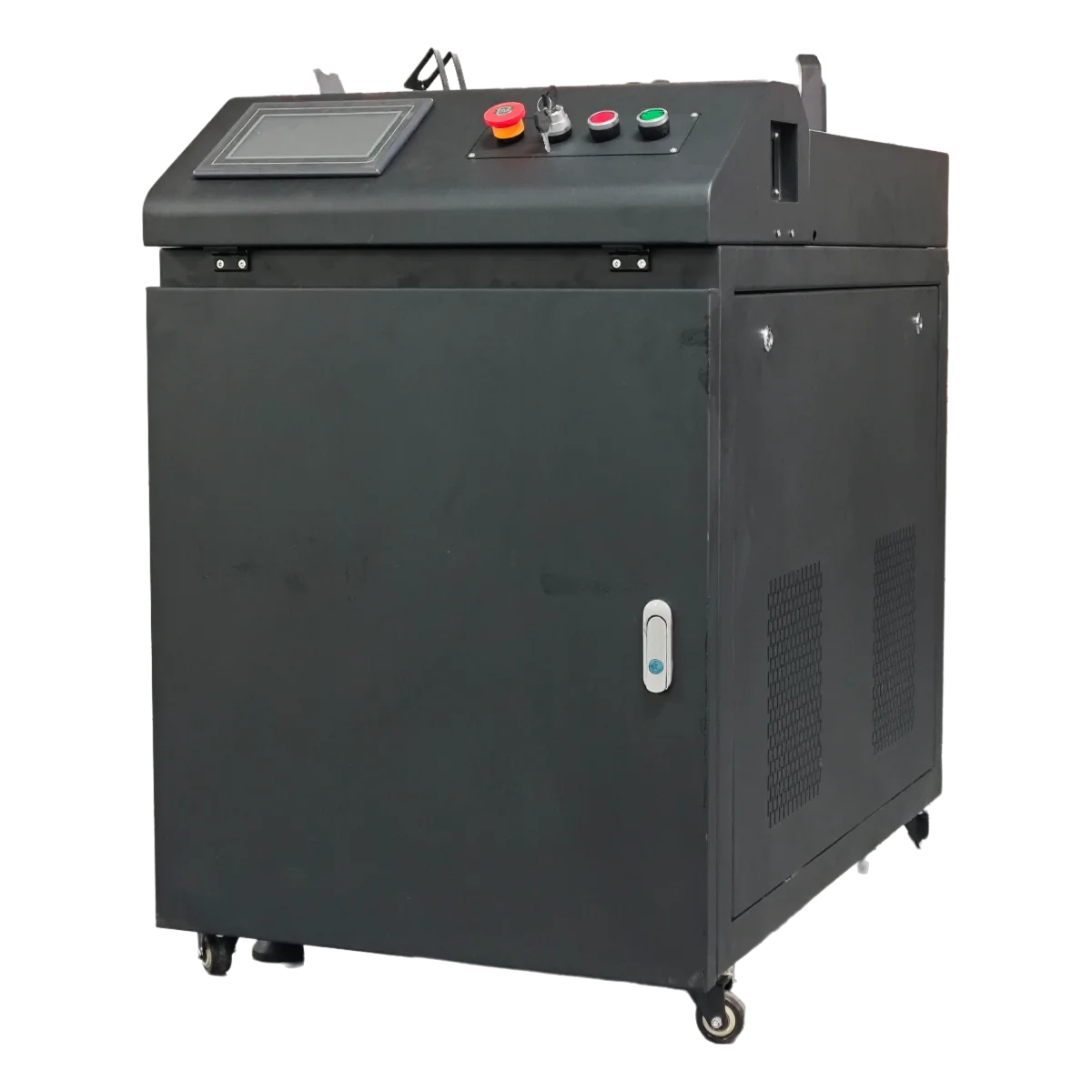
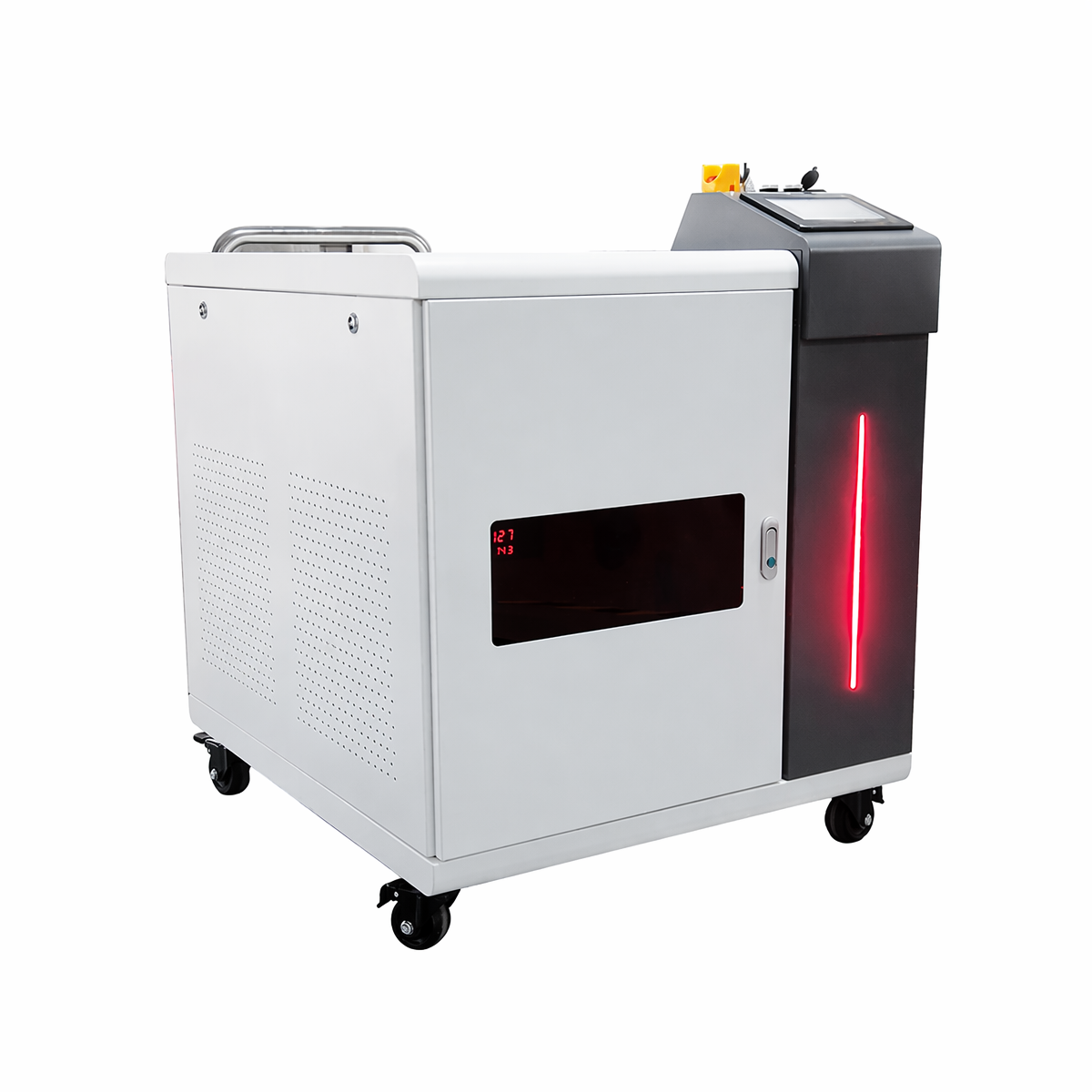
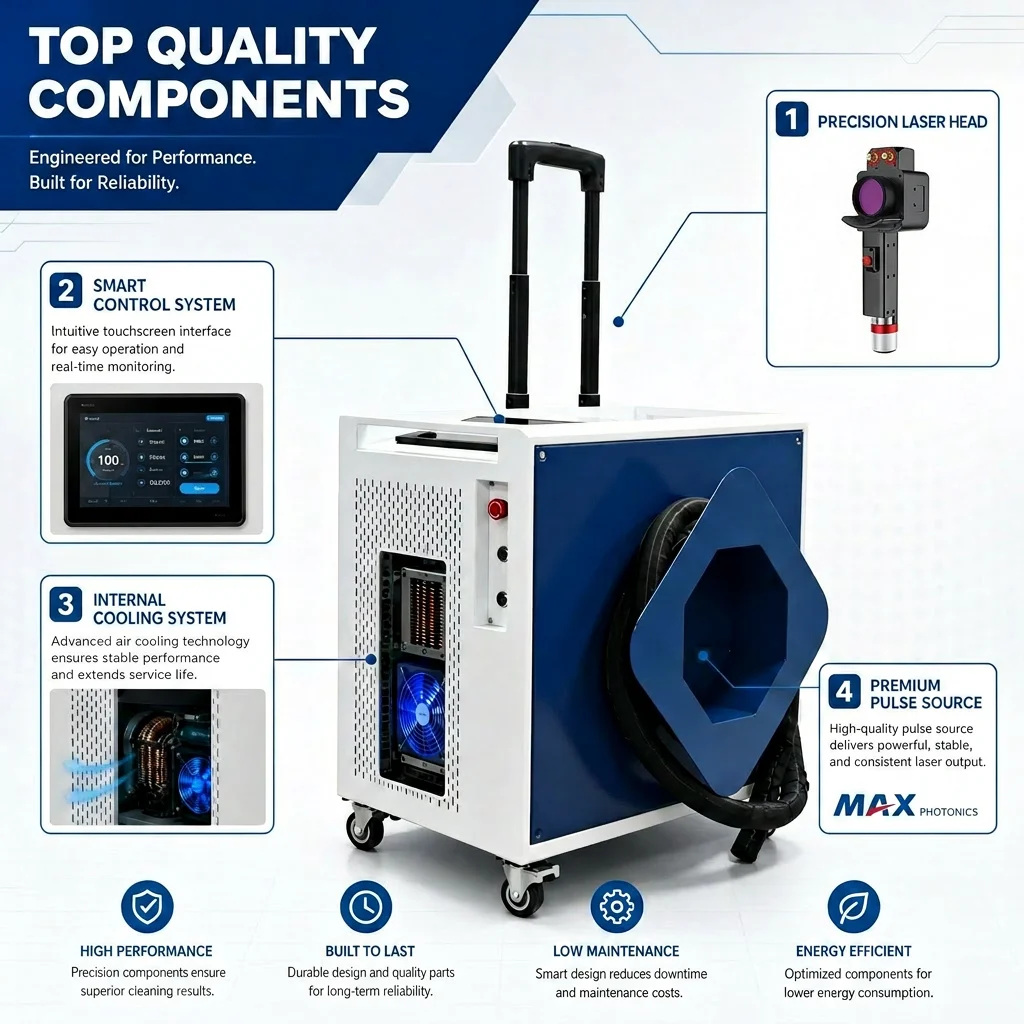
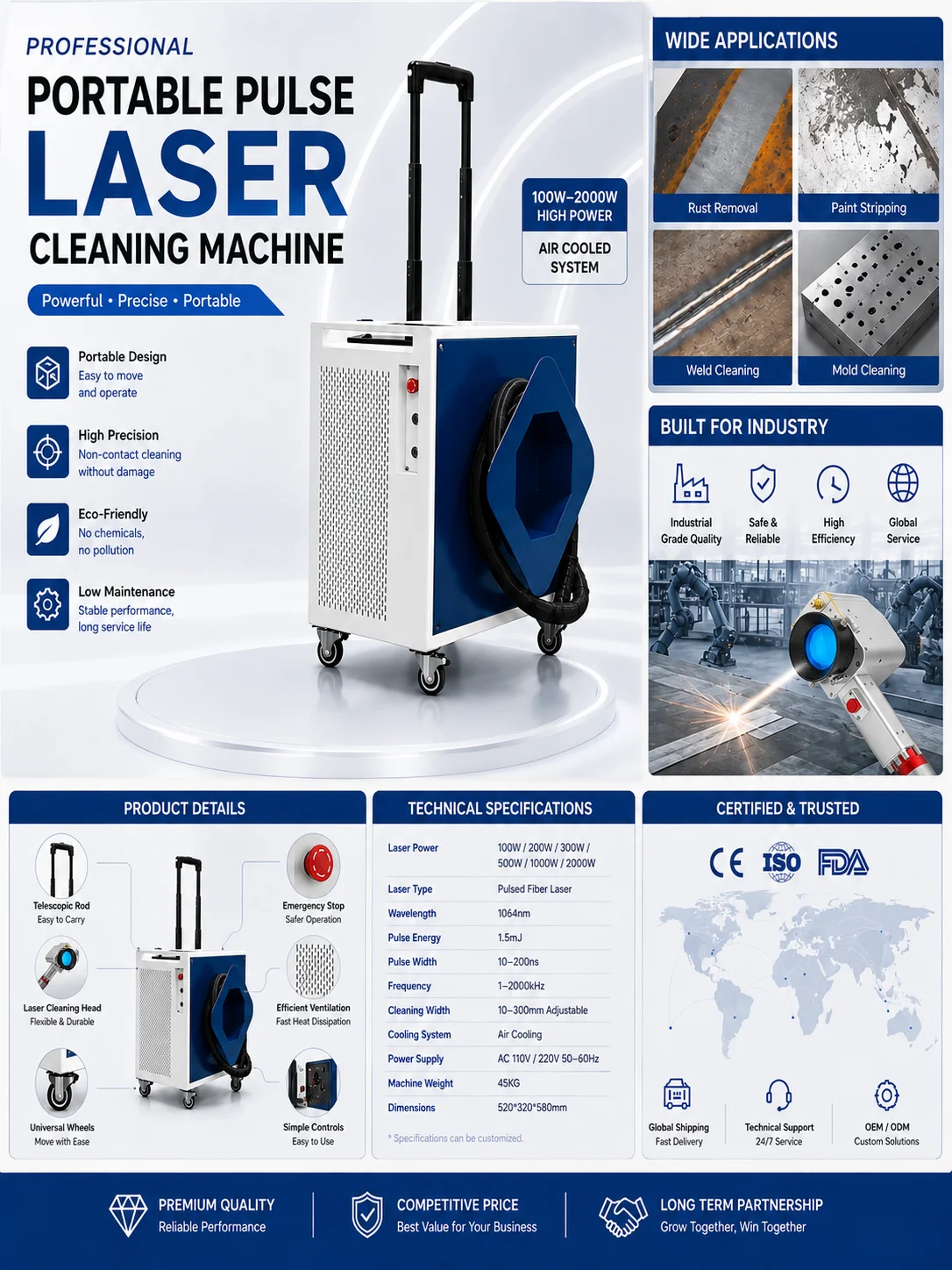
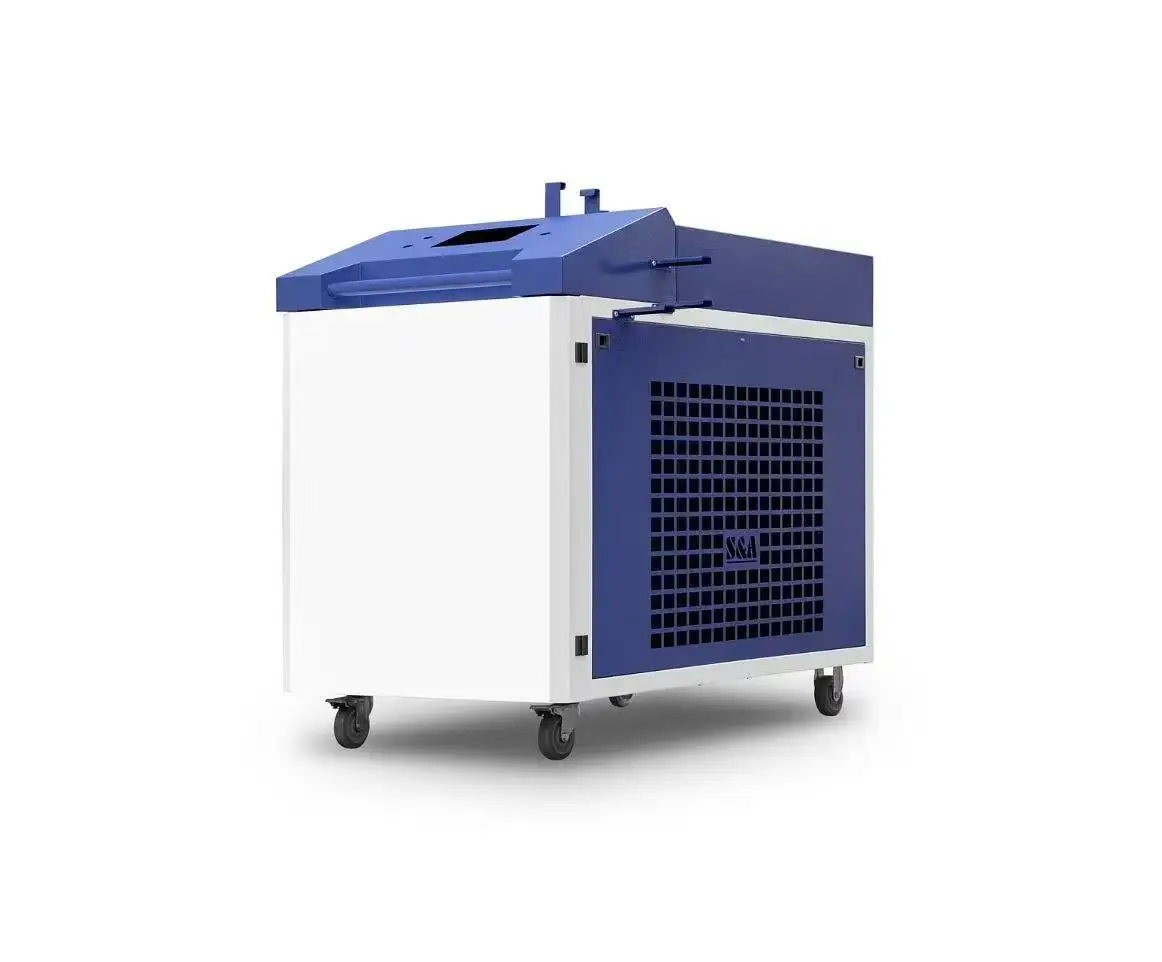
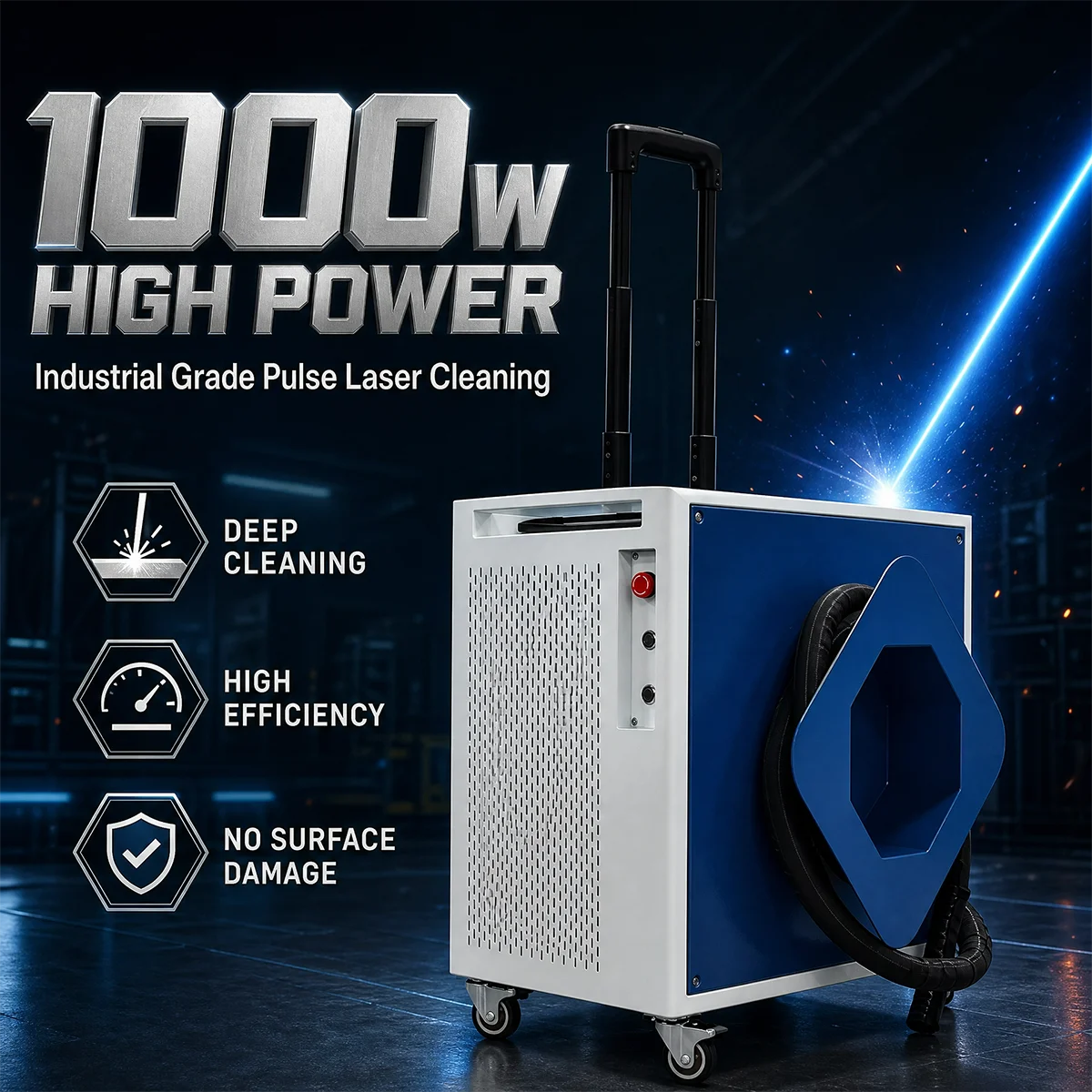
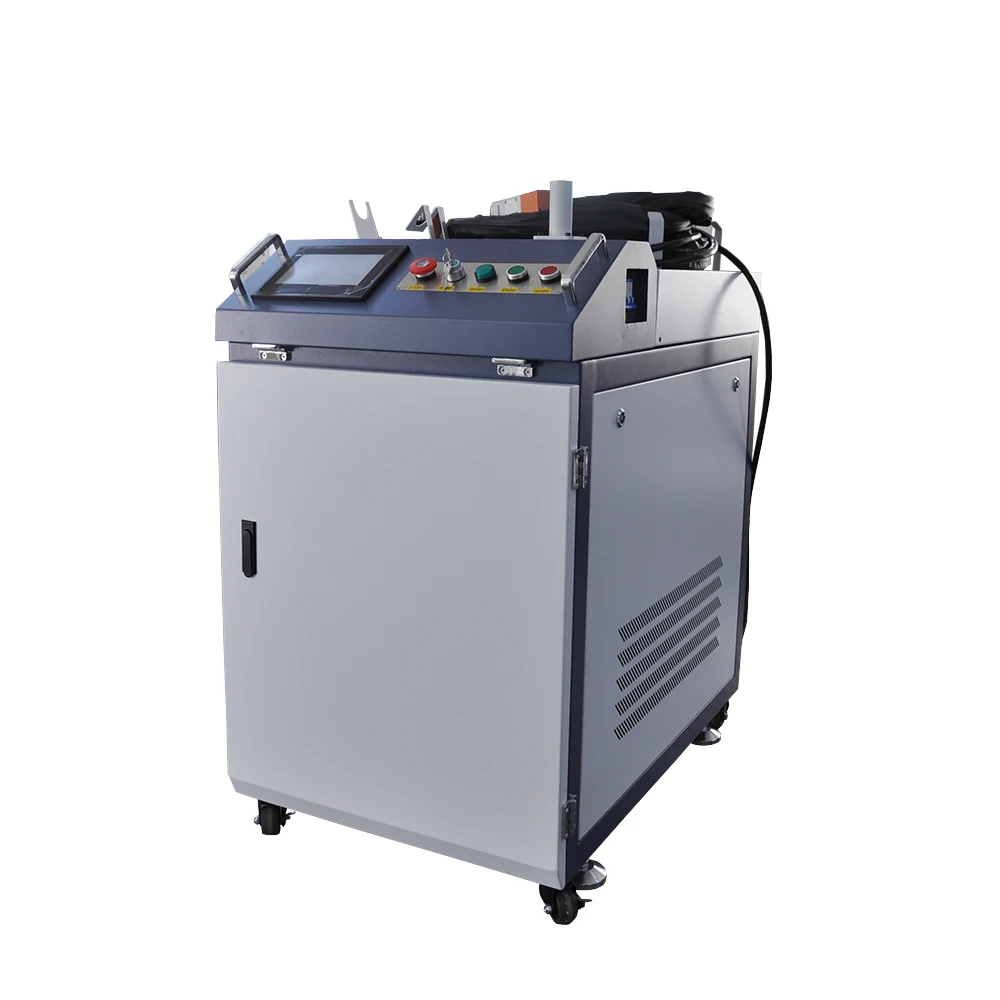
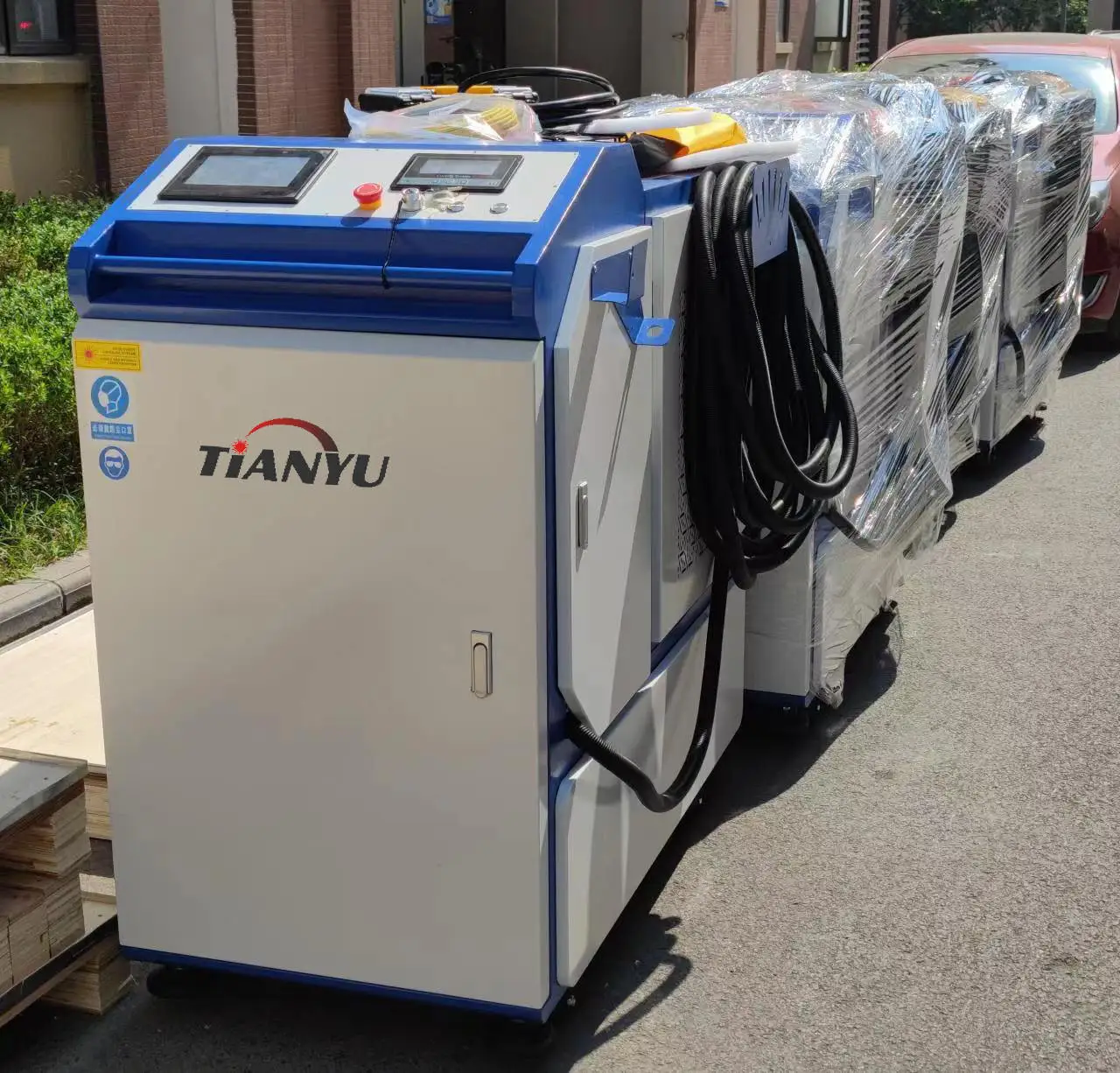
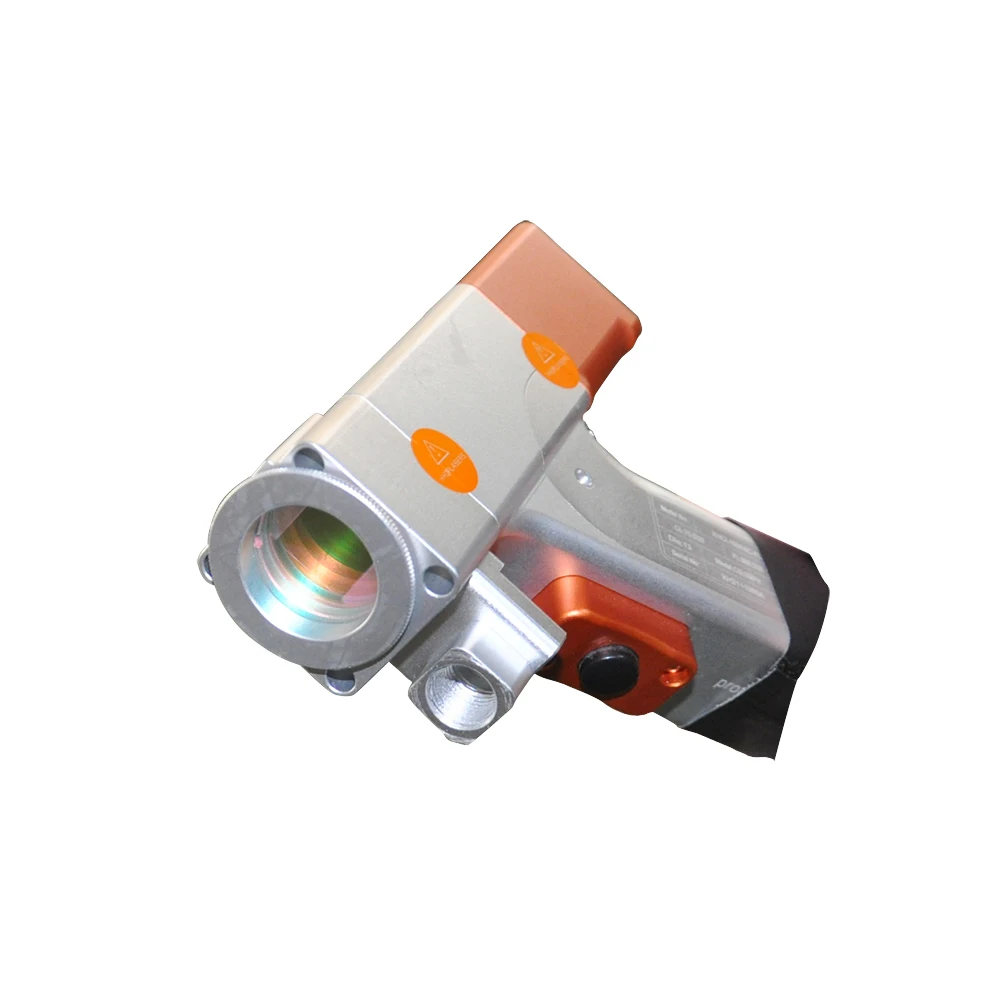
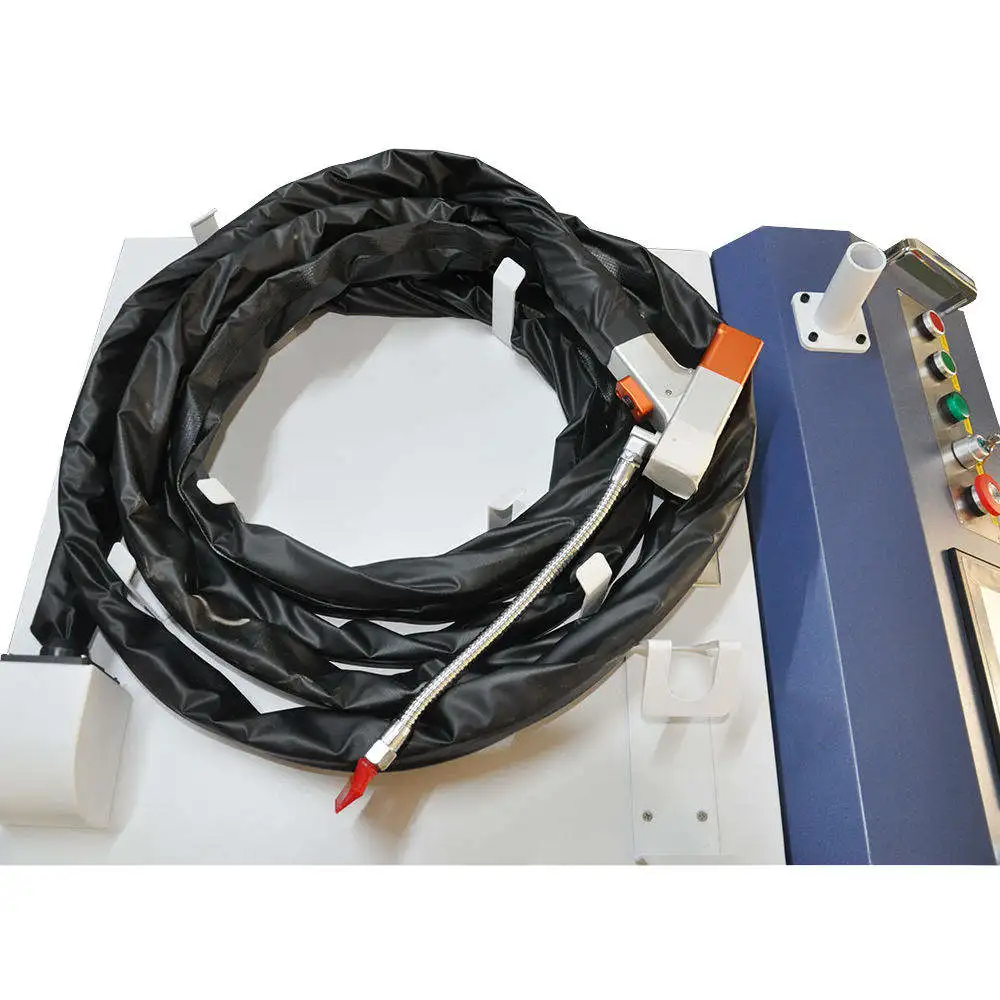
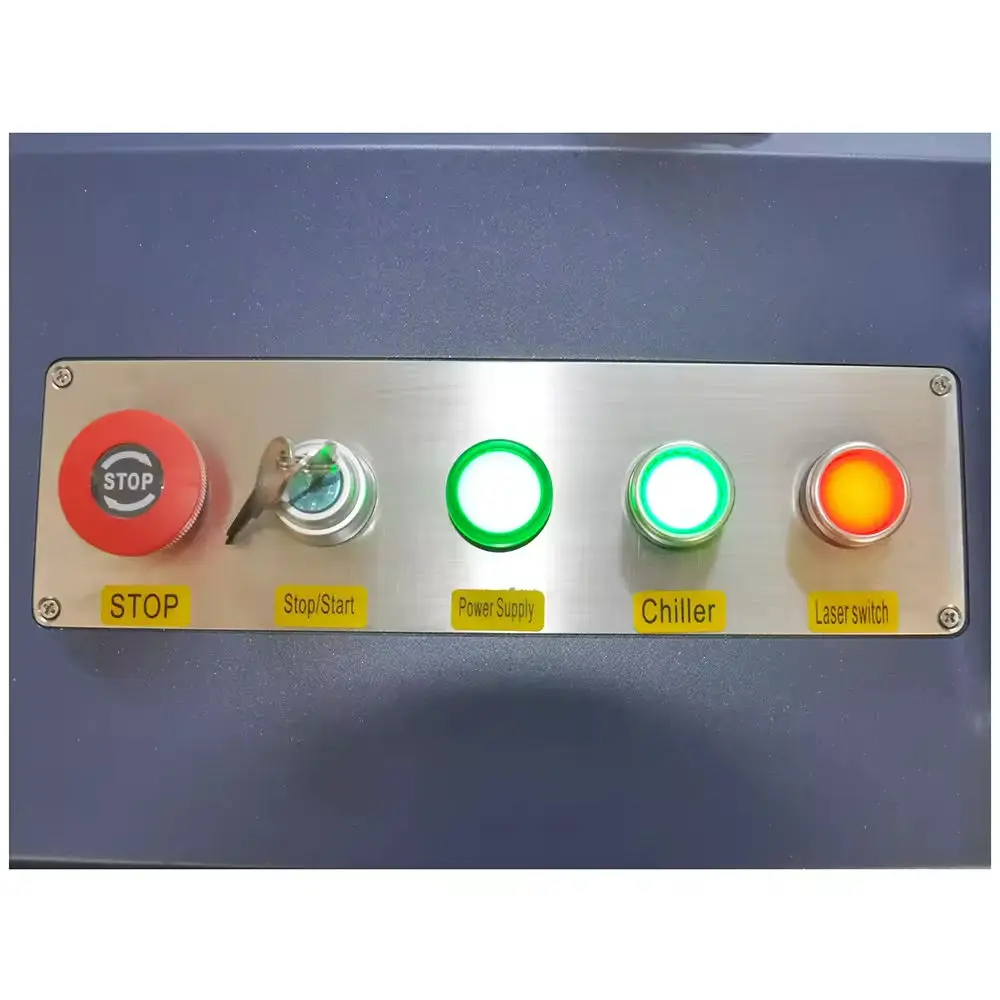
고출력 장시간 작동용 녹 제거기 — 2000W/3000W 레이저 청소기, 휴대용 파이버 레이저 청소기

Spu:
1601595066205
제품 개요
제품
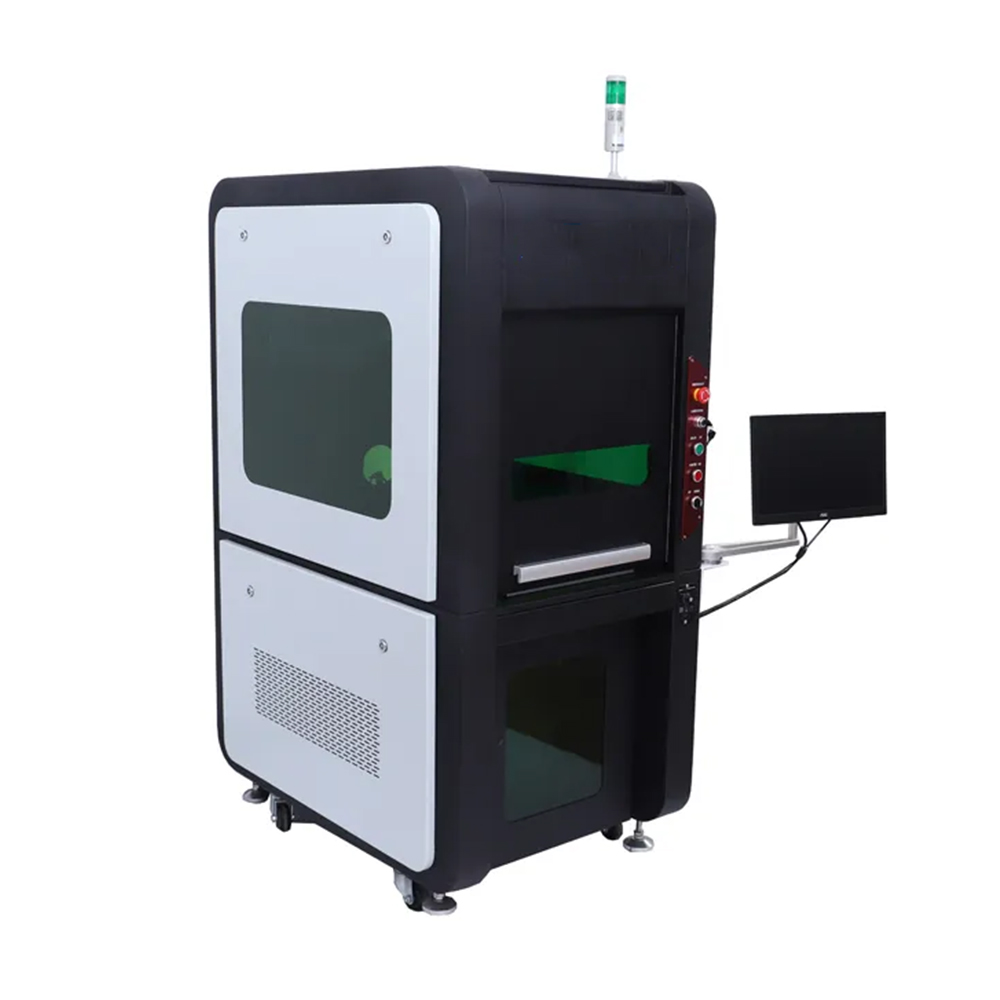
CW 레이저 마킹 기계
브랜드명
Tianyu
레이저 소스
JPT
레이저 타입
섬유 레이저
레이저 파워
1000W/1500W/2000W
레이저 파장
1064nm
주파수
20-100KHZ
마킹 깊이
0.01-0.5mm
마킹 속도
10000mm/s
최소 선 폭
0.02mm
반복 정확도
0.002mm
마킹 영역
110×110mm, 175×175mm, 200×200mm(옵션)
소프트웨어
JCZ EZCAD
전원 공급 장치
110/220V ±10%, 50/60Hz
냉각 시스템
공기 냉각
작동 온도
10-35℃
전력 소비
1000W–3000W
그래픽 파일 형식
PLT, DXF, AI, BMP, JPG, DST, GIF, TAG, PNG, TIF
기계 중량
55-65kg
기계 크기
77×61×55cm
포장
접착판 상자
A1. What can a laser cleaning machine remove? Laser cleaning can remove rust, oxides, paint and selected coatings from suitable surfaces. Results depend on the base material, layer composition and thickness. Share photos and material details to help identify a suitable cleaning process. A2. Will laser cleaning damage the surface underneath? Correctly selected laser parameters can remove unwanted layers while limiting changes to the substrate. Damage-free results are not automatic. Sensitive surfaces, thin parts and unfamiliar coatings should be tested against your required finish before production. A3. Should I choose a pulsed or continuous-wave laser cleaner? Pulsed systems provide flexible control of energy delivery for selective cleaning. Continuous-wave systems may suit robust surfaces that tolerate more heat input. Choose based on the substrate, coating, required finish and tested productivity—not wattage alone. A4. How fast can this machine remove rust or paint? Cleaning speed varies with coating thickness, adhesion, surface geometry and the required cleanliness. Compare results using the same material and finish criteria. A useful test records cleaned area, processing time, settings and any additional passes. A5. Is laser cleaning better than sandblasting or chemical cleaning? Laser cleaning can target specific areas without abrasive media or chemical cleaning agents. It is worth evaluating where selective removal and reduced cleanup matter. Sandblasting or chemical processes may remain more economical for some large-area or complex applications. A6. What are the running costs of a laser cleaner? Include electricity, extraction filters, protective optics, cooling-system maintenance, labor and residue disposal. Laser cleaning avoids blasting media, but the complete system still needs maintenance. Compare cost per cleaned part or square meter at your required finish. A7. Do I need fume extraction and a dedicated work area? Cleaning releases particles and may release hazardous substances from coatings. Suitable extraction and filtration are needed for the application. Open high-power systems also require a controlled laser area, appropriate shielding, trained operators and correctly selected protective equipment. A8. What information is needed to select a laser cleaning machine?  Provide the base material, contaminant or coating, approximate layer thickness, part dimensions, daily workload and required finish. Photos and representative samples help assess whether the priority is selective removal, surface preservation or higher throughput.  Handheld Laser Welding Machine B1. What metals can a handheld laser welder weld? Suitable systems can weld stainless steel, mild steel, aluminum and other selected metals. Compatibility depends on alloy, thickness, surface condition and joint design. Dissimilar-metal combinations need individual assessment; one successful combination does not validate all alloys. B2. What thickness can this laser welder weld reliably? Reliable welding thickness depends on the material, joint type, fit-up, laser power and required penetration. A maximum-thickness claim alone is not enough. Provide your joint drawing and acceptance requirements to establish a suitable production range. B3. How does laser welding compare with TIG or MIG welding? For suitable joints, laser welding can increase travel speed and reduce distortion and finishing work. The benefit varies with fit-up, material and quality requirements. Compare total time per accepted part, including preparation, welding, inspection and rework. B4. Is a handheld laser welder easy for beginners to learn?  Basic operation can be easier to learn than some conventional welding techniques, but consistent weld quality still requires practice and suitable parameters. Laser-safety training and an approved work area are essential before operation. Easy handling does not replace process qualification. B5. Do I need shielding gas and filler wire? Shielding gas is normally used to protect the weld; the gas must suit the material and process. Some close-fitting joints can be welded without filler. Other joints benefit from a compatible wire feeder and filler material, where supported. B6. Can laser welding reduce grinding and improve weld appearance? With suitable fit-up and parameters, laser welding can produce narrow, consistent seams and reduce finishing work. Final appearance depends on material, cleanliness, gas protection and operator technique. Confirm results against your own visual and mechanical acceptance criteria. B7. What safety measures does handheld laser welding require? Open high-power laser welding requires a controlled work area, suitable barriers or enclosure, extraction and application-specific protective equipment. Reflected beams also present hazards. Ordinary welding protection alone is insufficient; follow the machine instructions and a qualified site safety assessment. B8. What is the real operating cost of a laser welder?  Budget for shielding gas, electricity, protective lenses, nozzles, cooling maintenance and filler wire where used. Include labor and post-weld finishing. Compare cost per accepted weld rather than laser power or machine price alone.   Laser Marking Machine C1. Which laser marker should I choose: fiber, MOPA, UV or CO₂? Fiber lasers are widely used for metals and selected plastics. MOPA fiber systems add pulse-width control for specific marking effects. UV and CO₂ suit different materials and finishes. Select the source by testing your actual substrate and required mark. C2. Are laser markings permanent and resistant to wear? Laser marking changes or removes material rather than applying ordinary printing ink. Durability depends on the marking method, depth, substrate and service environment. For parts exposed to abrasion, chemicals or heat, specify the relevant durability tests before approval. C3. Can the machine mark logos, serial numbers, barcodes and QR codes? These are common laser-marking applications, but supported formats and variable-data functions depend on the controller and software. For traceability codes, assess contrast, size and readability with the intended scanner or verifier—not appearance alone. C4. Do I need a MOPA laser for color or black marking? MOPA pulse control can help achieve specific color effects on stainless steel and black marks on anodized aluminum. Results depend on alloy, finish and parameters. It is not full-color printing, and not every marking task requires MOPA. C5. Can it mark rings, tubes and curved parts?  Suitable rotary fixtures can support cylindrical parts, while some shaped surfaces require 3D focusing or dedicated positioning. Confirm part dimensions, weight, geometry and marking location. A rotary attachment alone does not make every curved surface suitable. C6. How do laser power and marking area affect the result?  Required power depends on material, cycle time and marking depth. Lens choice affects the available field and achievable spot characteristics. Higher wattage or a larger field does not automatically produce finer marks; evaluate both against your artwork and part. C7. How fast can it mark each part? Cycle time depends on artwork size, fill density, depth, material and loading method. Advertised scanning speed is not the same as finished-part throughput. Assess a complete cycle that includes positioning, marking, unloading and any required code verification. C8. Can it connect to my production line or business software?  Integration depends on the selected controller, software license and available interfaces. Define triggers, variable-data sources, part tracking and error handling before purchase. Conveyor marking, database connections and custom software should be confirmed as specific configuration items.  Fiber Laser Cutting Machine D1. What metals and thicknesses can this fiber laser cutter cut? Fiber laser cutters can process common metals such as mild steel, stainless steel and aluminum, with suitable configurations. Thickness capacity depends on the model, material and assist gas. Use a model-specific cutting chart and distinguish production-quality cutting from maximum severance. D2. How much laser power do I need for my workshop? Choose power around your most frequent materials, thicknesses, order volume and required edge quality. Higher power may improve productivity on suitable jobs, but should be evaluated alongside gas supply, loading time, electrical capacity and total investment. D3. Will the cut edges need deburring or further finishing? Well-matched parameters can produce clean edges, but dross, oxidation and roughness depend on material, thickness, gas and part geometry. Define your acceptable edge quality and downstream process. Do not assume every part will be ready without finishing. D4. What are the main operating costs of a fiber laser cutter? Key costs include assist gas, electricity, nozzles, protective windows, cooling, extraction, maintenance and labor. Material utilization also matters. Compare cost per finished part using representative drawings and local gas and electricity prices. D5. Should I use oxygen, nitrogen or compressed air for cutting? Gas selection affects edge oxidation, speed and cost. Oxygen is common for mild steel; nitrogen is often selected where an oxide-free edge is required. Compressed air suits some applications. Confirm approved gas quality, pressure and capacity for the specific machine and material. D6. Can one machine cut both sheet metal and tubes? Only a machine configured for both applications can do this. Tube cutting requires suitable workholding, supports and software. Confirm tube shapes, dimensions, loading limits and usable lengths; a sheet-cutting machine does not automatically include tube-cutting capability. D7. What installation requirements should I prepare? Prepare the required floor space, access route, foundation where specified, electrical supply, assist gas, cooling and extraction. Requirements vary by configuration. Request the installation layout and utility specifications for the exact machine before arranging your workshop. D8. Is the machine suitable for operators new to CNC laser cutting?  Software guidance and validated cutting data can simplify operation, but operators still need training in setup, nesting, material handling, cut-quality checks and maintenance. Confirm the supplied software, training scope and technical support before selecting a configuration.
1
1
1
1
1
1
1
1
1
1
1

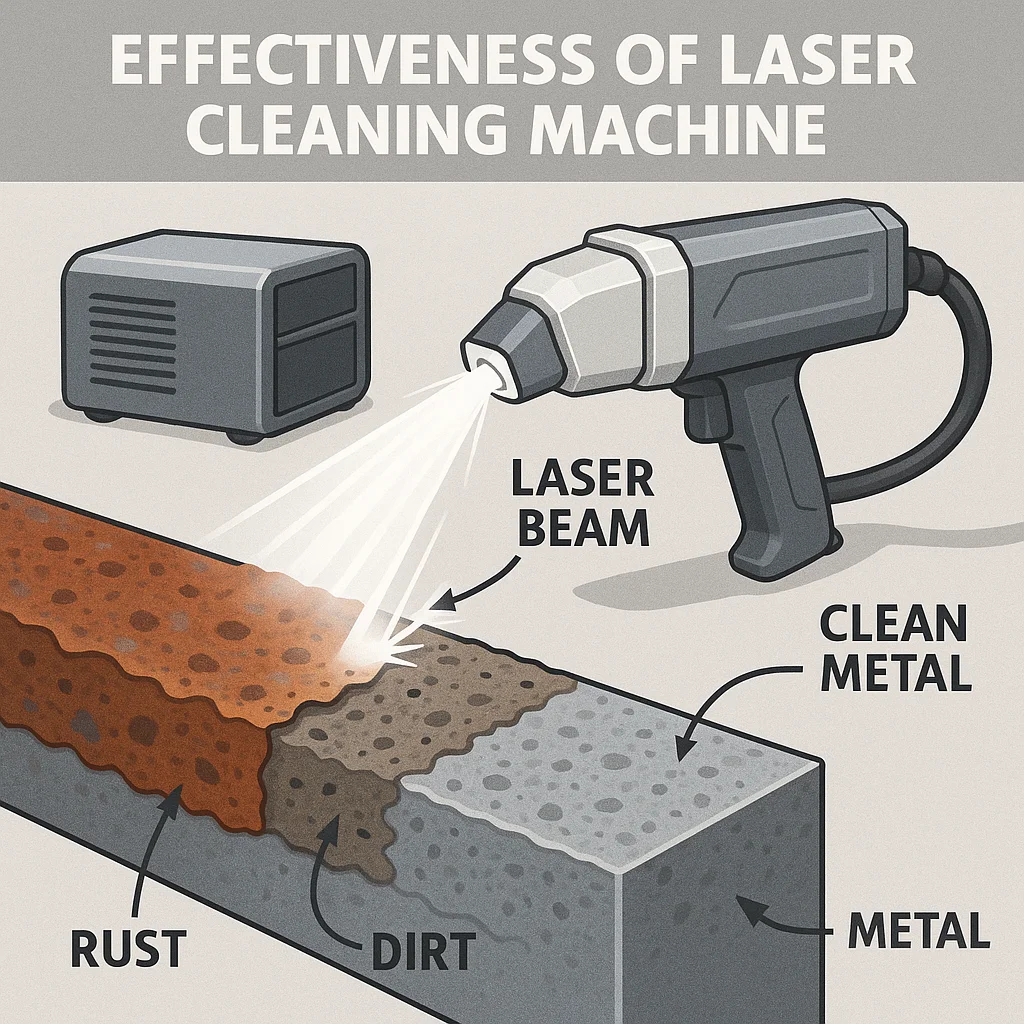
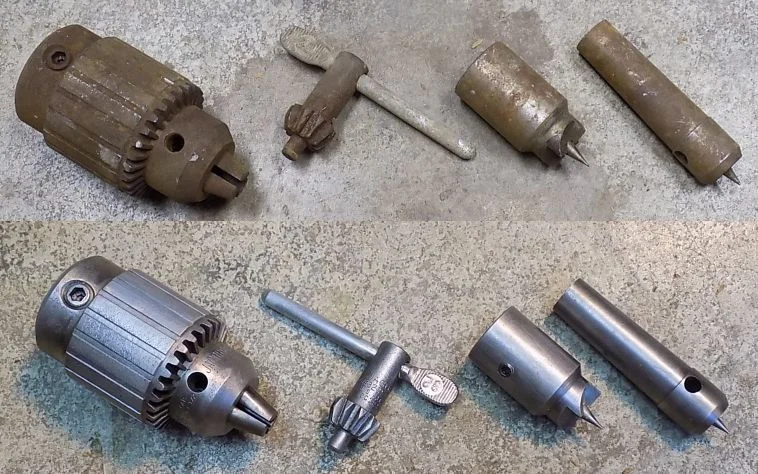
A1. 레이저 청소기는 어떤 오염물을 제거할 수 있나요?

레이저 청소는 적합한 표면에서 녹, 산화물, 페인트 및 특정 코팅을 제거할 수 있습니다. 결과는 기재 재질, 층의 구성 및 두께에 따라 달라집니다. 적절한 청소 공정을 식별하기 위해 사진과 재료 세부 정보를 공유해 주세요.


A2. 레이저 청소가 하부 표면을 손상시킬까요?

적절히 선택된 레이저 파라미터는 불필요한 층을 제거하면서 기재에 미치는 변화를 최소화할 수 있다. 손상 없는 결과는 자동으로 보장되지 않는다. 민감한 표면, 얇은 부품, 익숙하지 않은 코팅은 양산 전에 요구되는 마감 품질 기준에 따라 반드시 시험해야 한다.


A3. 펄스 레이저 청소기와 연속파 레이저 청소기 중 어느 것을 선택해야 하나요?

펄스 방식 시스템은 선택적 청소를 위해 에너지 공급을 유연하게 조절할 수 있다. 연속파 방식 시스템은 더 많은 열 입력을 견딜 수 있는 강건한 표면에 적합할 수 있다. 출력(와트)만으로 결정하지 말고, 기재의 종류, 코팅 특성, 요구되는 마감 품질, 그리고 검증된 생산성에 근거해 선택해야 한다.


A4. 이 장치로 녹이나 페인트를 제거하는 속도는 얼마나 빠른가요?

청결 속도는 코팅 두께, 접착력, 표면 형상, 그리고 요구되는 청결도 수준에 따라 달라진다. 동일한 재료와 동일한 마감 기준을 사용해 결과를 비교해야 한다. 유용한 시험 방법은 청소된 면적, 처리 시간, 설정 조건, 그리고 추가 패스 여부를 기록하는 것이다.


A5. 레이저 청소는 샌드블래스팅이나 화학 세정보다 우수한가요?

레이저 세정은 연마재나 화학 세정제를 사용하지 않고도 특정 부위를 정밀하게 처리할 수 있다. 선택적 제거와 후처리 작업 감소가 중요한 경우, 이 기술을 검토해 보는 것이 유익하다. 그러나 넓은 면적이나 복잡한 구조에 대한 세정에서는 샌드블라스팅이나 화학 공정이 여전히 더 경제적일 수 있다.


A6. 레이저 세정기의 운전 비용은 얼마인가?

전력 소비, 흡입 필터, 보호 광학 부품, 냉각 시스템 점검, 인건비 및 잔여물 처분 비용을 포함한다. 레이저 세정은 분사 매체를 사용하지 않지만, 전체 시스템은 여전히 정기적인 유지보수가 필요하다. 요구되는 마감 품질 기준에 따라 부품당 또는 제곱미터당 비용을 비교해 보는 것이 바람직하다.


A7. 유해 가스 흡입 장치와 전용 작업 공간이 필요한가?

세정 과정에서 입자가 발생하며, 코팅층으로부터 유해 물질이 방출될 가능성도 있다. 따라서 해당 용도에 적합한 흡입 및 여과 장치가 필수적이다. 고출력 개방형 레이저 시스템의 경우, 레이저 안전 구역 설정, 적절한 차폐 조치, 전문 교육을 받은 운영자, 그리고 올바르게 선정된 보호 장비도 반드시 필요하다.


A8. 레이저 청소 기계를 선택하려면 어떤 정보가 필요한가요?

기재 재료, 오염물질 또는 코팅 종류, 대략적인 층 두께, 부품 치수, 일일 작업량 및 요구되는 마감 품질을 알려 주세요. 사진과 대표 샘플은 우선순위가 선택적 제거인지, 표면 보존인지, 혹은 더 높은 처리 속도인지 판단하는 데 도움이 됩니다.


핸드헬드 레이저 용접기

B1. 휴대용 레이저 용접기는 어떤 금속을 용접할 수 있나요?

적합한 시스템은 스테인리스강, 탄소강, 알루미늄 및 기타 특정 금속을 용접할 수 있습니다. 호환성은 합금 종류, 두께, 표면 상태 및 이음매 설계에 따라 달라집니다. 이종 금속 조합의 경우 개별 평가가 필요하며, 한 가지 조합에서 성공했다고 해서 모든 합금에 적용 가능한 것은 아닙니다.


B2. 이 레이저 용접기는 어느 정도 두께까지 신뢰성 있게 용접할 수 있나요?

신뢰성 있는 용접 두께는 재료, 이음매 형태, 맞물림 정밀도, 레이저 출력 및 요구되는 침투 깊이에 따라 달라집니다. 최대 두께만으로는 충분하지 않습니다. 적절한 생산 범위를 설정하려면 이음매 도면과 허용 기준을 제공해 주세요.


B3. 레이저 용접은 TIG 또는 MIG 용접과 비교해 어떤가요?

적합한 이음부의 경우, 레이저 용접은 이동 속도를 높이고 왜곡 및 마감 작업을 줄일 수 있습니다. 이 이점은 부품 맞물림 정밀도, 재료 종류 및 품질 요구 사항에 따라 달라집니다. 준비, 용접, 검사 및 재작업을 포함한 승인된 부품당 총 소요 시간을 기준으로 비교하세요.


B4. 핸드헬드 레이저 용접기는 초보자도 쉽게 익힐 수 있나요?

기본 조작법은 일부 기존 용접 기술보다 배우기 쉬울 수 있으나, 일관된 용접 품질을 얻기 위해서는 여전히 충분한 연습과 적절한 공정 파라미터 설정이 필요합니다. 가동 전 반드시 레이저 안전 교육을 이수하고 승인된 작업 구역에서만 작동해야 합니다. 조작이 간편하다고 해서 공정 적격성 평가가 대체되지 않습니다.


B5. 보호 가스와 필러 와이어가 필요한가요?

보호 가스는 일반적으로 용접부를 보호하기 위해 사용되며, 가스는 용접 재료 및 공정에 적합해야 합니다. 일부 밀착 이음부는 필러 없이 용접이 가능합니다. 다른 이음부는 호환되는 와이어 피더 및 필러 재료를 사용하는 것이 유리하며, 해당 기능이 지원되는 경우에 한해 적용됩니다.


B6. 레이저 용접으로 연마 작업을 줄이고 용접 외관을 개선할 수 있나요?

적절한 부품 맞물림과 공정 조건을 적용하면 레이저 용접은 좁고 균일한 이음매를 형성하여 마감 작업량을 줄일 수 있습니다. 최종 외관은 재료 종류, 청결도, 보호 가스 사용 여부 및 작업자의 기술 수준에 따라 달라집니다. 실제 결과는 사용자 자체의 시각적 및 기계적 허용 기준과 비교하여 확인해야 합니다.


B7. 핸드헬드 레이저 용접에는 어떤 안전 조치가 필요한가요?

개방형 고출력 레이저 용접은 통제된 작업 구역, 적절한 차단 장치 또는 케이싱, 배기 시스템, 그리고 용도에 특화된 보호 장비를 요구합니다. 반사된 빔 역시 위험 요소입니다. 일반적인 용접 보호 장비만으로는 충분하지 않으며, 반드시 기기 제조사의 지침과 자격을 갖춘 현장 안전 평가를 따르셔야 합니다.


B8. 레이저 용접기의 실제 운영 비용은 얼마인가요?

실드 가스, 전기, 보호 렌즈, 노즐, 냉각 유지보수 및 필요 시 필러 와이어에 대한 예산. 인건비 및 용접 후 마감 작업도 포함. 레이저 출력 또는 장비 가격만으로 비교하지 말고, 허용된 용접 하나당 비용을 기준으로 비교하십시오.


레이저 마킹 기계

C1. 어떤 레이저 마커를 선택해야 하나요: 파이버, MOPA, UV 또는 CO₂?

파이버 레이저는 금속과 일부 플라스틱에 널리 사용됩니다. MOPA 파이버 시스템은 특정 마킹 효과를 위해 펄스 폭 조절 기능을 추가합니다. UV 및 CO₂는 서로 다른 재료와 마감 처리에 적합합니다. 실제 기재와 요구되는 마킹을 직접 테스트하여 적합한 레이저 소스를 선정하십시오.


C2. 레이저 마킹은 영구적이며 마모에 강합니까?

레이저 마킹은 일반 인쇄 잉크를 도포하는 방식이 아니라 재료를 변화시키거나 제거하는 방식입니다. 내구성은 마킹 방식, 깊이, 기재 및 사용 환경에 따라 달라집니다. 마모, 화학물질 또는 열에 노출되는 부품의 경우 승인 전에 관련 내구성 시험을 명시하십시오.


C3. 이 장치로 로고, 일련번호, 바코드 및 QR 코드를 마킹할 수 있습니까?

이것은 일반적인 레이저 마킹 응용 사례이지만, 지원되는 형식과 가변 데이터 기능은 컨트롤러 및 소프트웨어에 따라 달라집니다. 추적성 코드의 경우, 외관만이 아니라 의도된 스캐너 또는 검증기와의 대비도, 크기, 가독성을 평가해야 합니다.


C4. 색상 또는 흑색 마킹을 위해 MOPA 레이저가 필요한가요?

MOPA 펄스 제어는 스테인리스강에서 특정 색상 효과를 얻거나 양극 산화 알루미늄에 흑색 마크를 생성하는 데 도움이 될 수 있습니다. 결과는 합금 종류, 표면 마감 상태 및 설정 파라미터에 따라 달라집니다. 이는 전면 컬러 인쇄가 아니며, 모든 마킹 작업에 MOPA가 필수적인 것은 아닙니다.


C5. 반지, 튜브 및 곡면 부품에도 마킹이 가능한가요?

적절한 회전 고정장치는 원통형 부품을 지원할 수 있지만, 일부 형상의 표면은 3D 초점 조정 또는 전용 위치 지정이 필요합니다. 부품의 치수, 무게, 형상 및 마킹 위치를 확인하십시오. 단순히 회전 부속장치를 사용한다고 해서 모든 곡면이 적합해지는 것은 아닙니다.


C6. 레이저 출력과 마킹 영역은 결과에 어떤 영향을 미치나요?

필요한 출력은 재료, 사이클 시간 및 마킹 깊이에 따라 달라집니다. 렌즈 선택은 사용 가능한 필드 크기와 달성 가능한 스팟 특성에 영향을 줍니다. 더 높은 와트수나 더 큰 필드가 자동으로 더 섬세한 마킹을 보장하지는 않습니다. 실제 아트워크와 부품을 기준으로 양쪽 모두를 평가하세요.


C7. 각 부품을 얼마나 빠르게 마킹할 수 있나요?

사이클 시간은 아트워크 크기, 채움 밀도, 깊이, 재료 및 로딩 방식에 따라 달라집니다. 광고되는 스캐닝 속도는 완제품 처리량과 동일하지 않습니다. 위치 설정, 마킹, 언로딩 및 필요한 코드 검증을 포함한 전체 사이클을 평가하세요.


C8. 제 생산 라인 또는 비즈니스 소프트웨어에 연결할 수 있나요?

통합 가능성은 선택된 컨트롤러, 소프트웨어 라이선스 및 사용 가능한 인터페이스에 따라 달라집니다. 구매 전에 트리거, 가변 데이터 소스, 부품 추적 및 오류 처리 방식을 명확히 정의하세요. 컨베이어 마킹, 데이터베이스 연결 및 맞춤형 소프트웨어는 구체적인 구성 항목으로 사전 확인되어야 합니다.


섬유 레이저 절단 기계

D1. 이 파이버 레이저 절단기는 어떤 금속과 두께를 절단할 수 있나요?

섬유 레이저 절단기는 일반 탄소강, 스테인리스강, 알루미늄 등 흔한 금속을 적절한 구성으로 가공할 수 있다. 최대 절단 두께는 모델과 재료, 보조 가스에 따라 달라진다. 모델별 절단 차트를 활용하고, 양산 품질 절단과 최대 절단 능력 사이의 차이를 명확히 구분해야 한다.


D2. 내 작업장에는 어느 정도 레이저 출력이 필요합니까?

가장 자주 가공하는 재료와 두께, 주문량, 요구되는 절단면 품질을 기준으로 출력을 선택하십시오. 더 높은 출력은 적합한 작업에서 생산성을 향상시킬 수 있으나, 가스 공급 능력, 로딩 시간, 전기 용량, 총 투자비와 함께 종합적으로 평가해야 합니다.


D3. 절단된 가장자리는 드버링 또는 추가 마감 처리가 필요합니까?

적절히 조정된 공정 조건은 깨끗한 절단면을 얻게 하지만, 슬래그, 산화, 거칠기 등은 재료 종류, 두께, 가스 종류, 부품 형상에 따라 달라집니다. 귀사가 허용하는 절단면 품질 기준과 후속 공정을 명확히 정의하십시오. 모든 부품이 별도 마감 없이 바로 사용 가능하다고 가정하지 마십시오.


D4. 섬유 레이저 절단기의 주요 운영 비용은 무엇입니까?

주요 비용에는 보조 가스, 전기, 노즐, 보호 창, 냉각, 배기, 정비 및 인건비가 포함된다. 재료 활용률도 중요하다. 대표적인 도면과 현지 가스 및 전기 요금을 기준으로 완제품 단위당 비용을 비교하라.


D5. 절단 시 산소, 질소 또는 압축 공기를 사용해야 하나요?

가스 선택은 절단면의 산화 정도, 절단 속도 및 비용에 영향을 미친다. 일반 강 절단에는 산소가 흔히 사용되며, 산화되지 않은 절단면이 필요한 경우 질소를 주로 선택한다. 압축 공기는 일부 용도에 적합하다. 해당 기계와 재료에 대해 승인된 가스의 품질, 압력 및 유량을 반드시 확인하라.


D6. 한 대의 기계로 판재와 관재 모두 절단이 가능한가요?

판재 및 관재 절단 모두를 지원하도록 구성된 기계만 이 기능을 수행할 수 있다. 관재 절단에는 적절한 고정장치, 지지대 및 소프트웨어가 필요하다. 관의 형상, 치수, 적재 한계 및 사용 가능한 길이를 반드시 확인하라. 판재 절단 전용 기계는 자동으로 관재 절단 기능을 포함하지 않는다.


D7. 설치 시 어떤 사전 준비가 필요한가요?

필요한 바닥 공간, 접근 경로, 명시된 경우 기초 구조, 전기 공급, 보조 가스, 냉각 및 배기 시설을 준비하세요. 요구 사항은 구성에 따라 달라집니다. 작업장 설치를 계획하기 전에 정확한 기계에 대한 설치 배치도 및 유틸리티 사양을 요청하세요.


D8. 이 기계는 CNC 레이저 절단을 처음 다루는 작업자에게 적합합니까?

소프트웨어 안내 및 검증된 절단 데이터는 작동을 단순화할 수 있지만, 작업자는 여전히 설정, 네스팅, 재료 취급, 절단 품질 점검 및 정비에 대한 교육이 필요합니다. 구성 선택 전에 제공되는 소프트웨어, 교육 범위 및 기술 지원 내용을 반드시 확인하세요.

무료 견적 받기

담당자가 곧 연락드리겠습니다.
이메일
휴대전화/WhatsApp
이름
회사명
문자
0/1000