無料お見積もりを取得

担当者よりすぐにご連絡いたします。
メールアドレス
携帯電話/WhatsApp
氏名
会社名
お問い合わせ内容
0/1000

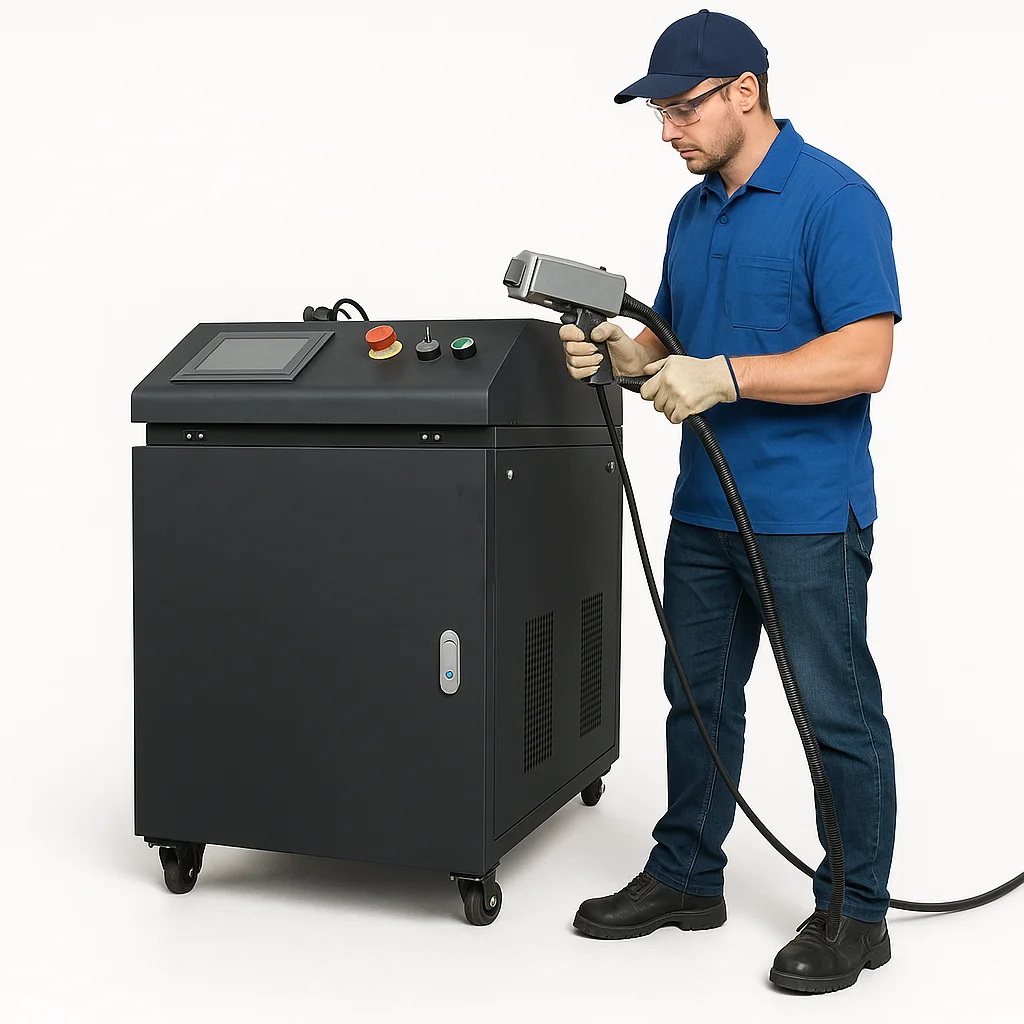
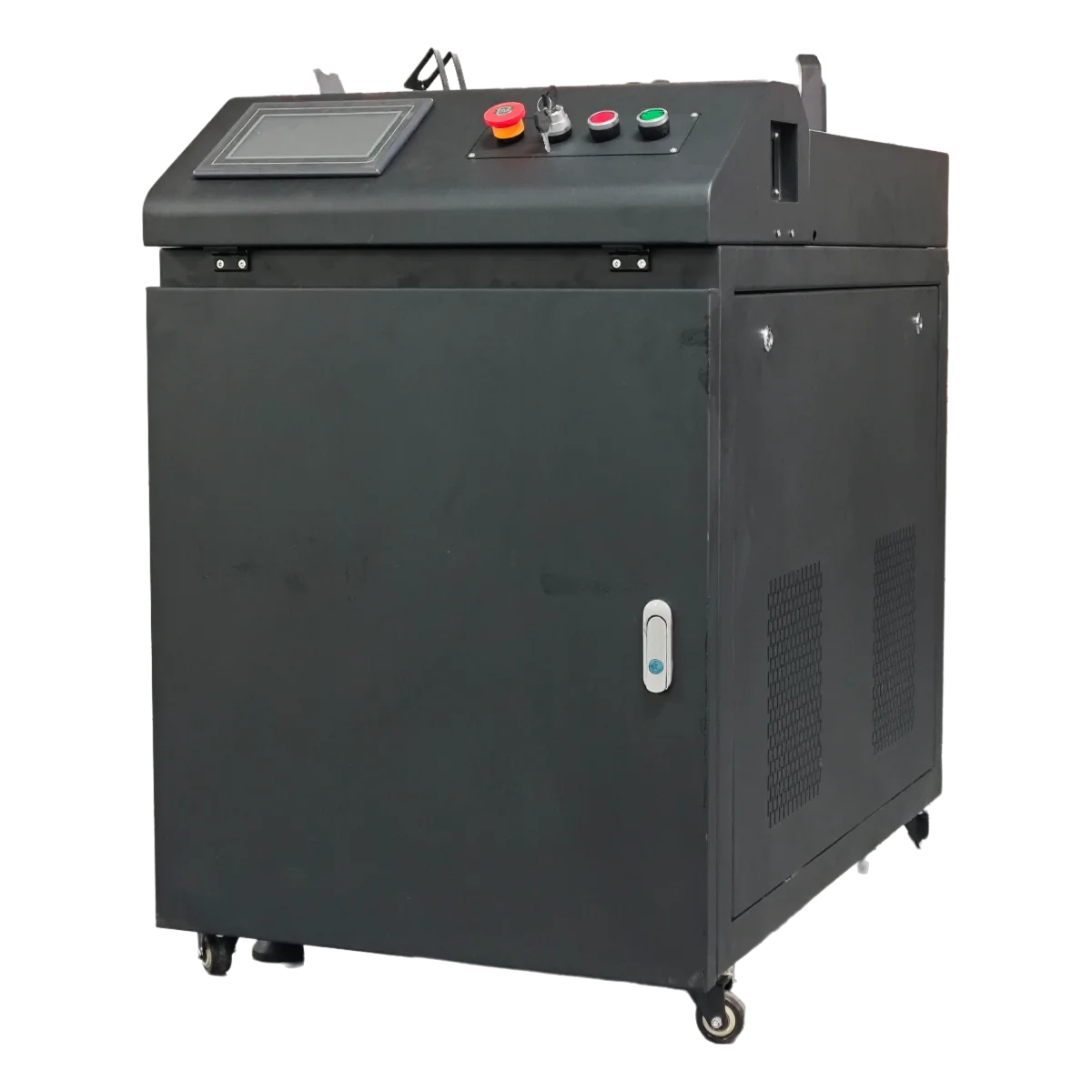
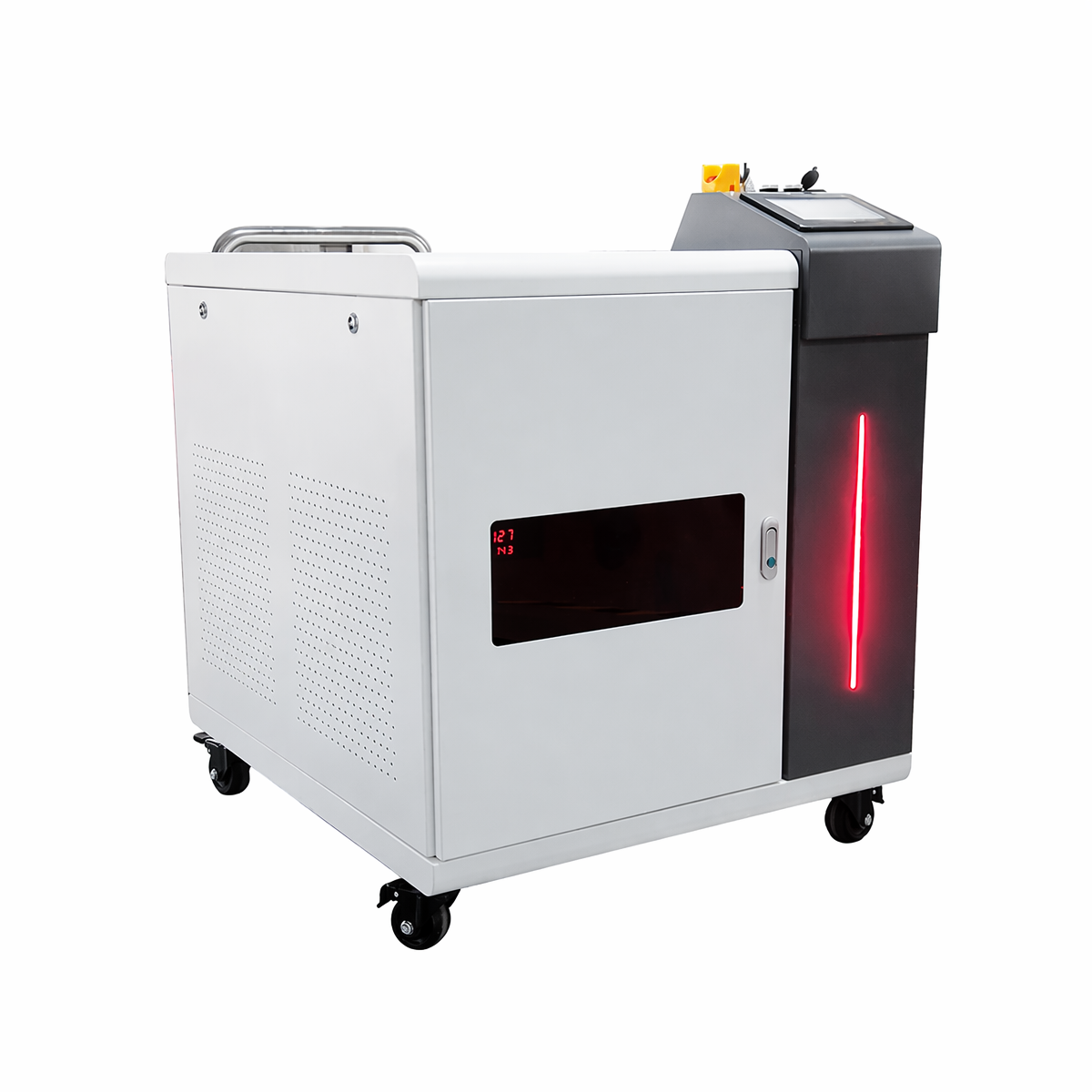
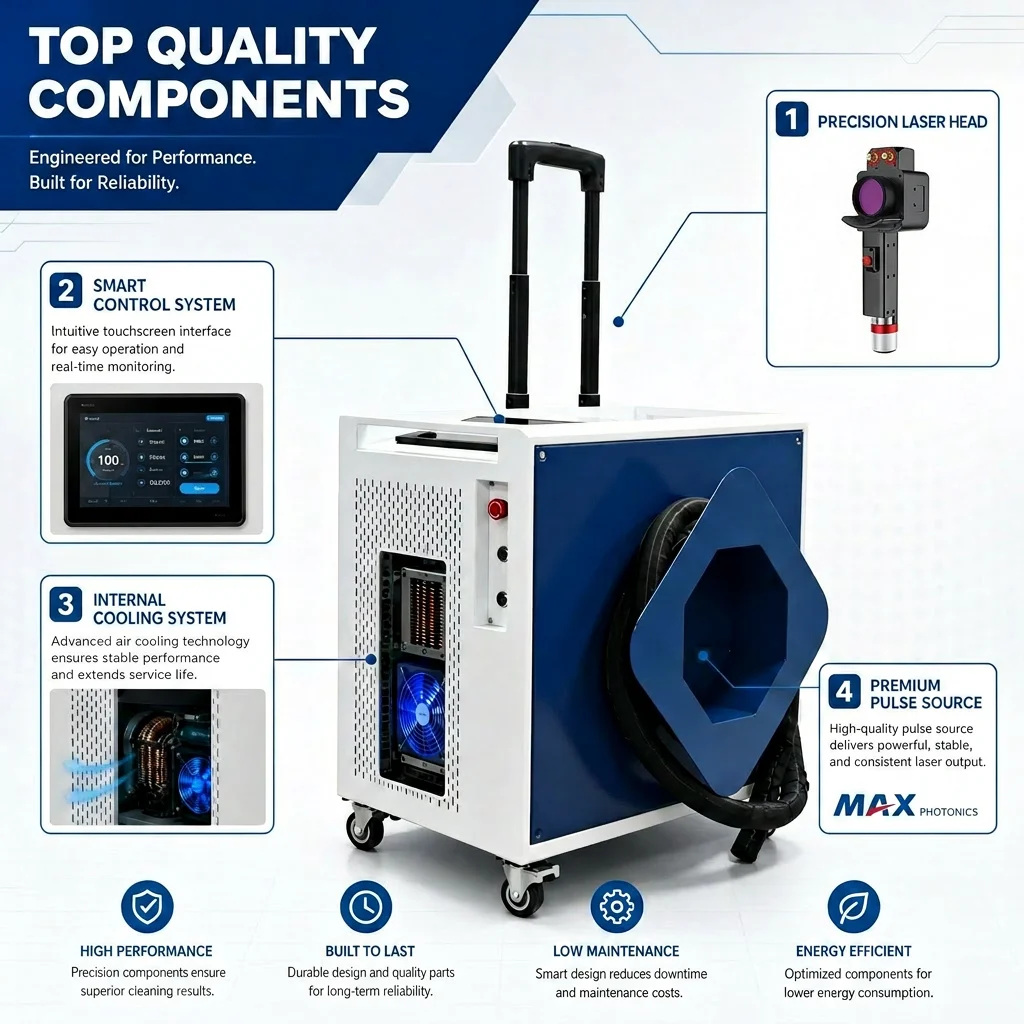
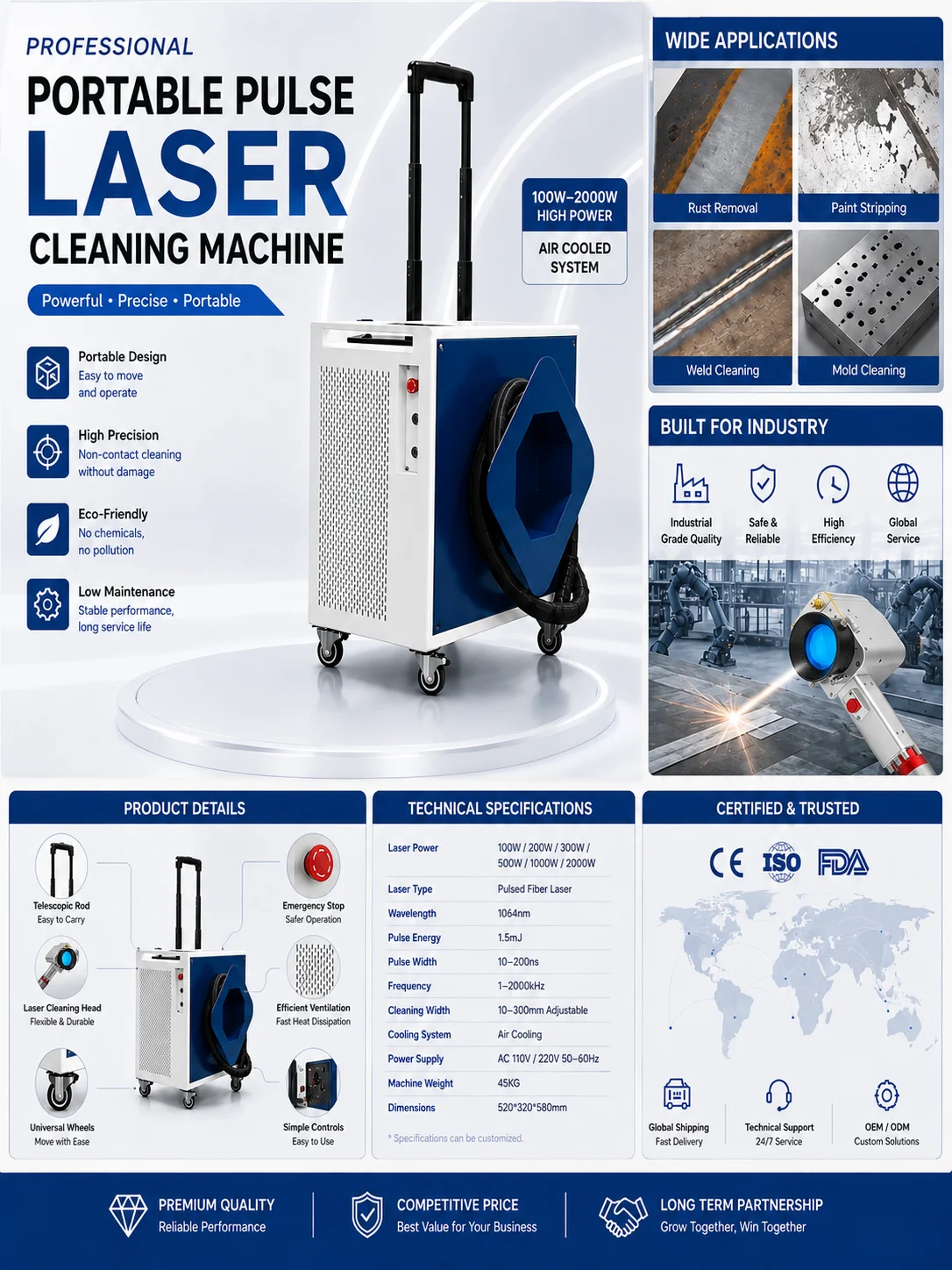
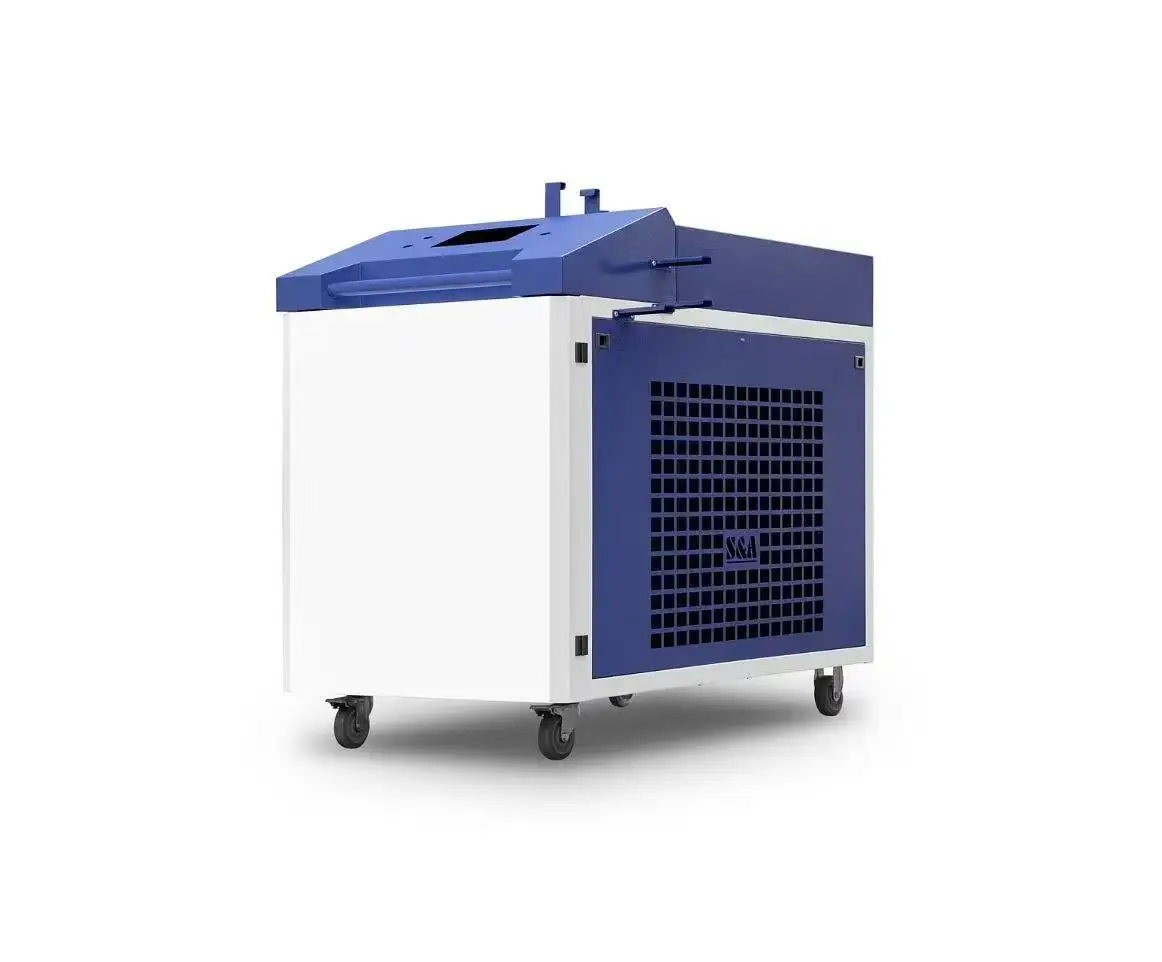
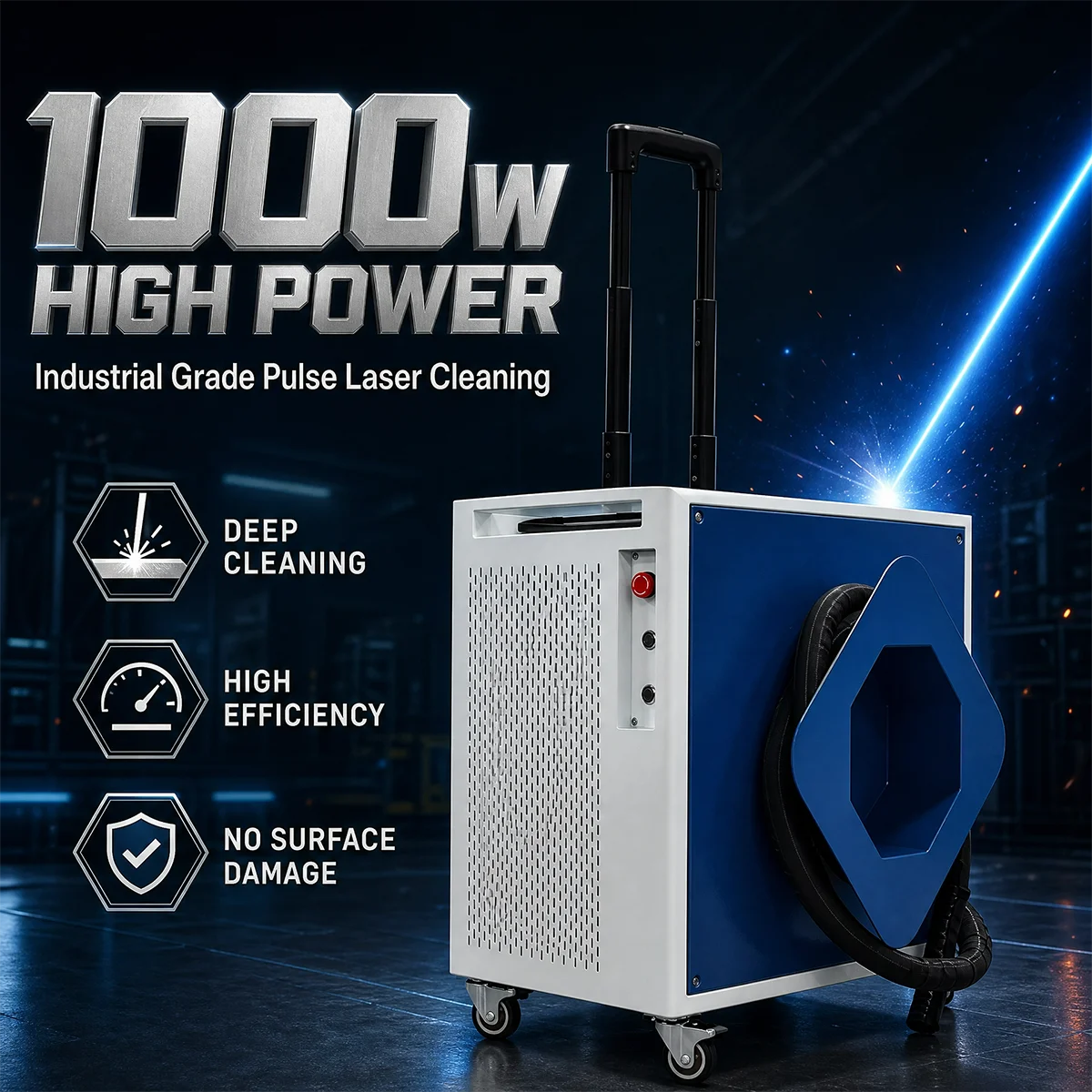
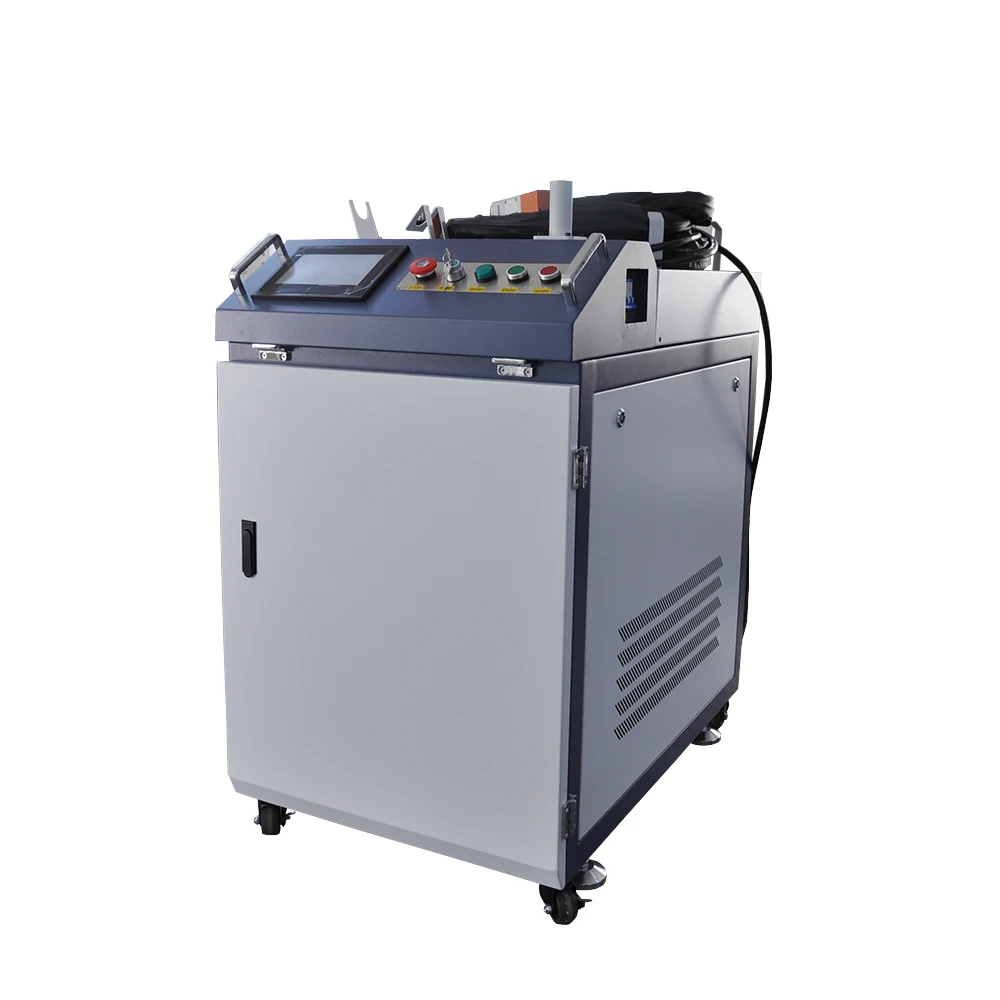
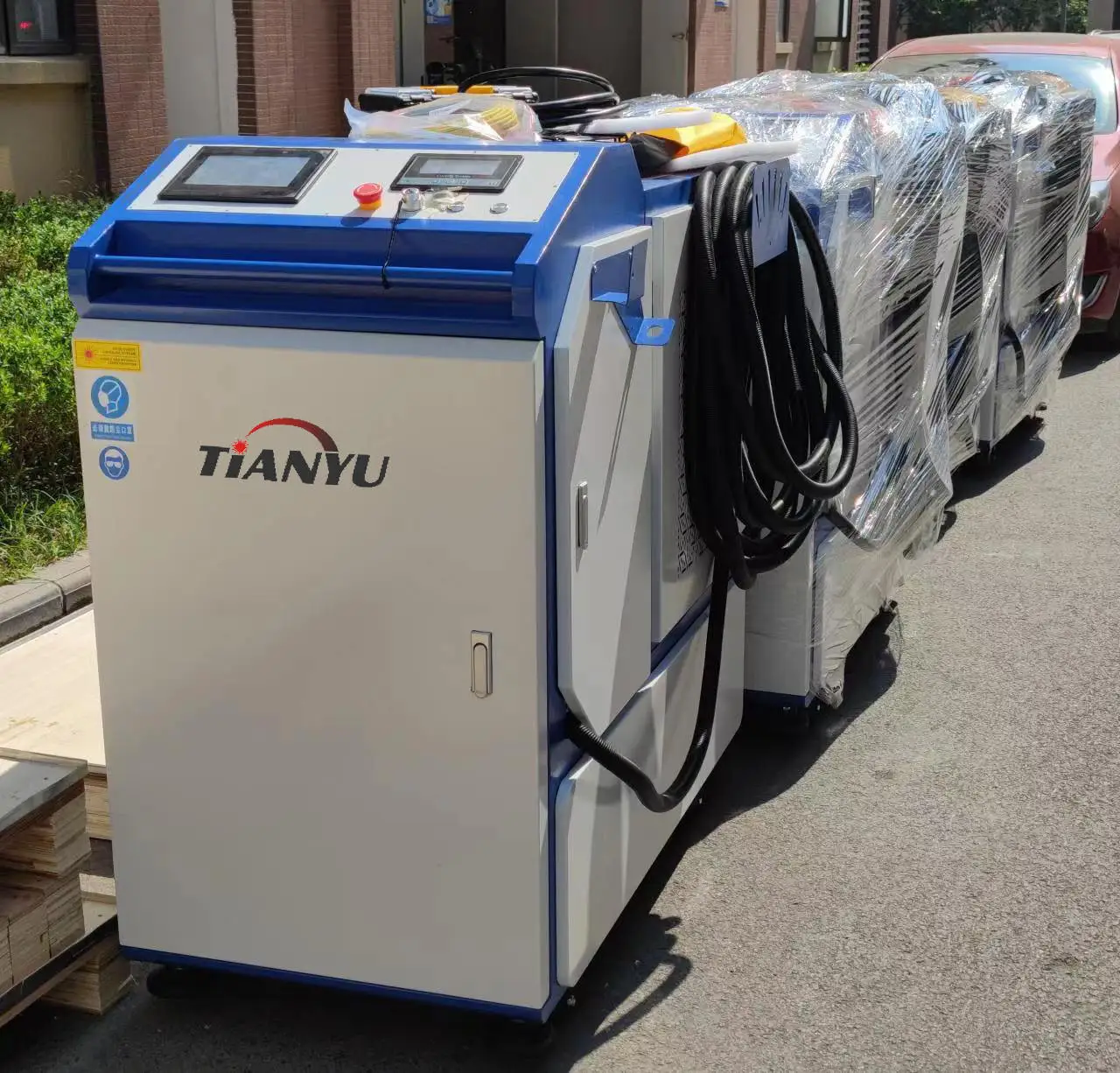
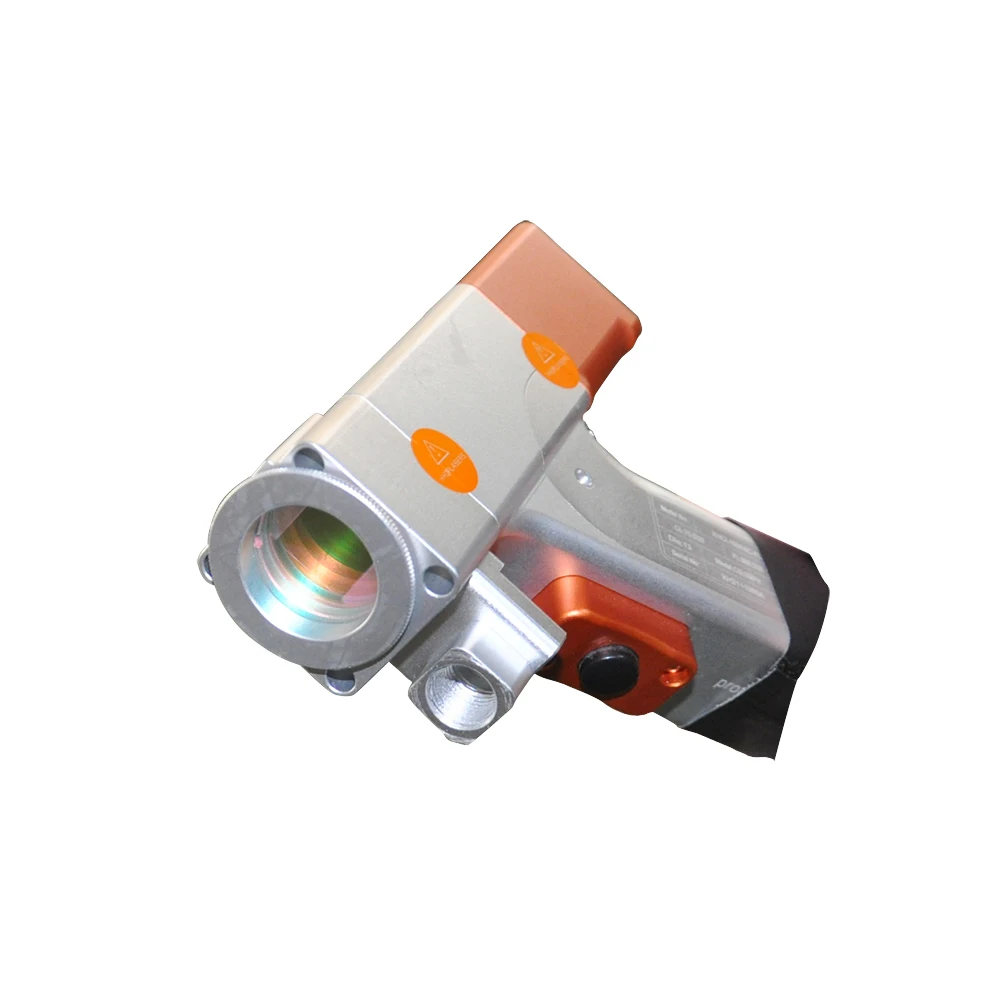
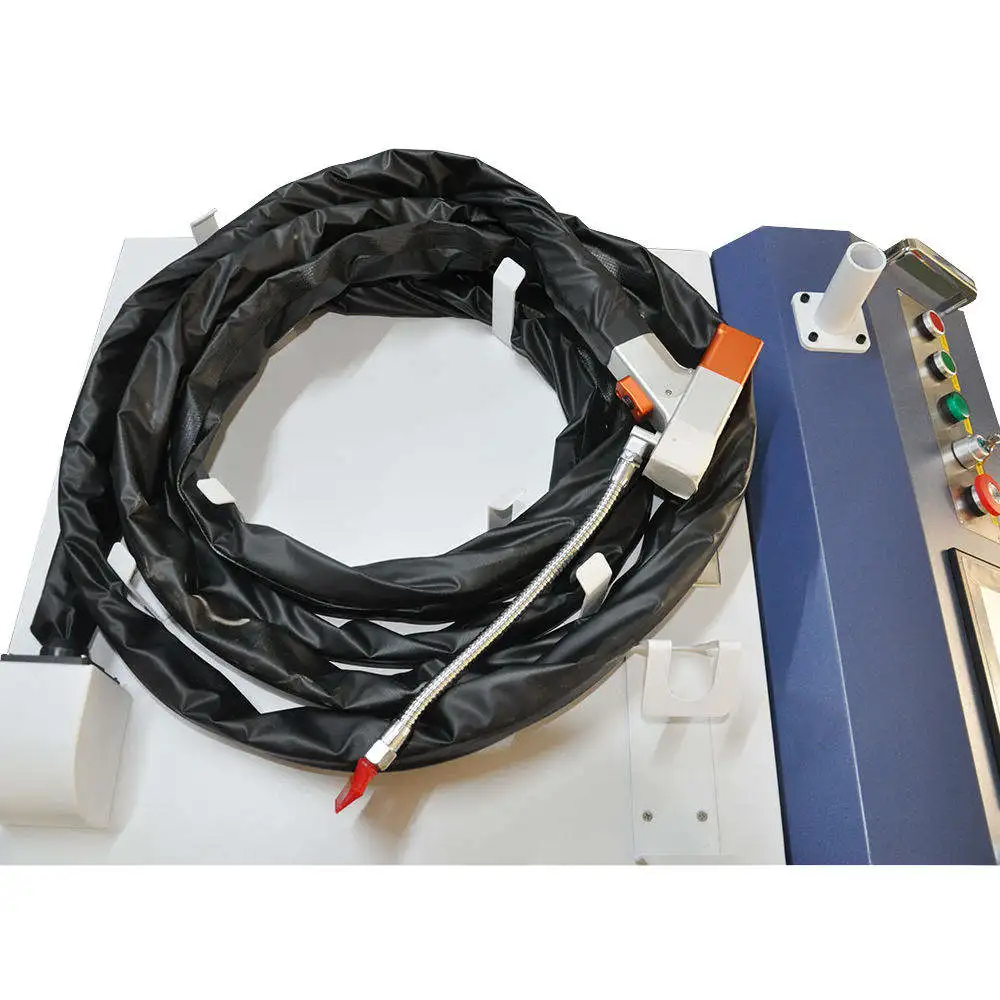
高出力・長時間連続運転対応レーザー錆除去機(2000W/3000W)―ハンドヘルド式ファイバーレーザー洗浄機

Spu:
1601595066205
製品概要
製品
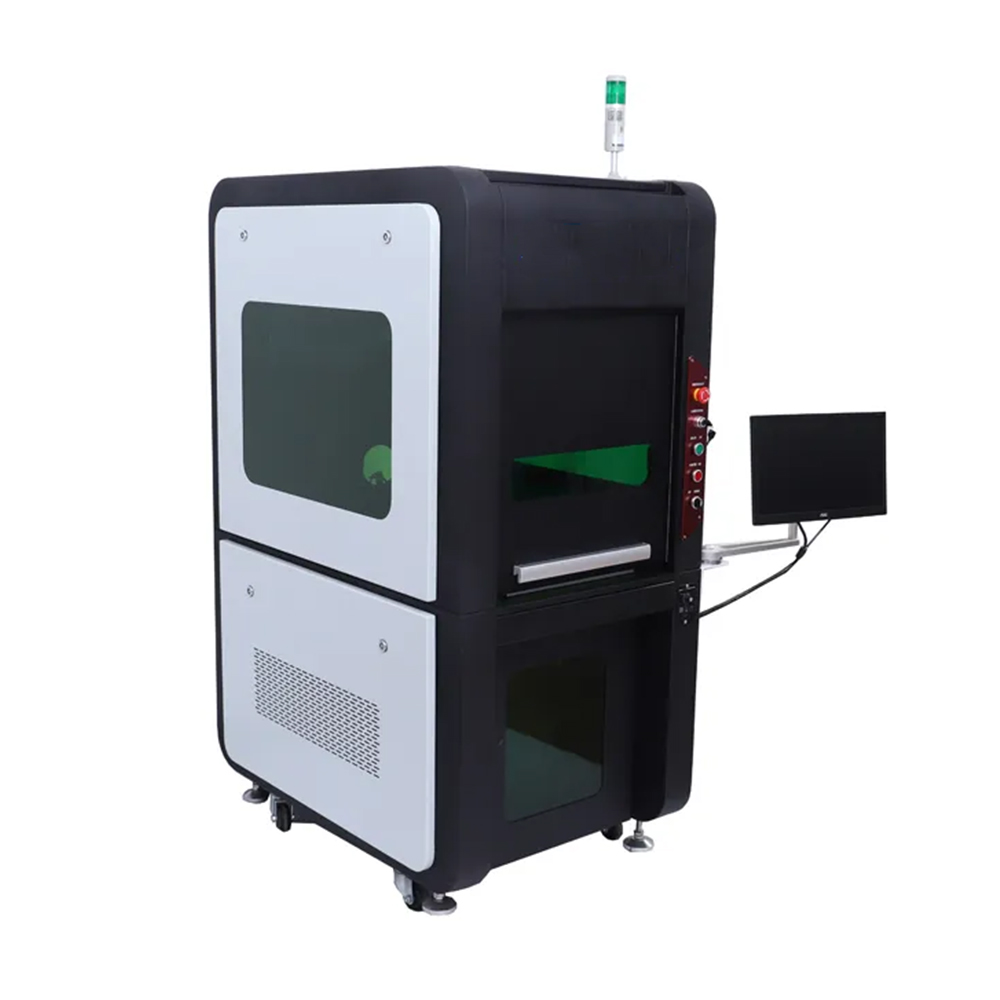
CW方式レーザー刻印機
ブランド名
ティエンユウ
レーザーソース
Jpt
レーザータイプ
ファイバーレーザー
レーザー出力
1000W/1500W/2000W
レーザー波長
1064nm
周波数
20〜100kHz
マーキング深さ
角約0.01-0.5mm
マーキング速度
速度10000mm/s
最小ライン幅
0.02mm
繰り返し精度
0.002mm
マーキングエリア
110×110mm/175×175mm/200×200mm(オプション)
ソフトウェア
JCZ EZCAD
電源装置
aC110V/220V ±10%、50/60Hz
冷却方式
空気冷却
動作温度
10-35℃
消費電力
1000W~3000W
グラフィックファイル形式
PLT、DXF、AI、BMP、JPG、DST、GIF、TAG、PNG、TIF
機械の重量
55-65キログラム
機械のサイズ
77×61×55cm
包装
プレイスボードの箱
A1. What can a laser cleaning machine remove? Laser cleaning can remove rust, oxides, paint and selected coatings from suitable surfaces. Results depend on the base material, layer composition and thickness. Share photos and material details to help identify a suitable cleaning process. A2. Will laser cleaning damage the surface underneath? Correctly selected laser parameters can remove unwanted layers while limiting changes to the substrate. Damage-free results are not automatic. Sensitive surfaces, thin parts and unfamiliar coatings should be tested against your required finish before production. A3. Should I choose a pulsed or continuous-wave laser cleaner? Pulsed systems provide flexible control of energy delivery for selective cleaning. Continuous-wave systems may suit robust surfaces that tolerate more heat input. Choose based on the substrate, coating, required finish and tested productivity—not wattage alone. A4. How fast can this machine remove rust or paint? Cleaning speed varies with coating thickness, adhesion, surface geometry and the required cleanliness. Compare results using the same material and finish criteria. A useful test records cleaned area, processing time, settings and any additional passes. A5. Is laser cleaning better than sandblasting or chemical cleaning? Laser cleaning can target specific areas without abrasive media or chemical cleaning agents. It is worth evaluating where selective removal and reduced cleanup matter. Sandblasting or chemical processes may remain more economical for some large-area or complex applications. A6. What are the running costs of a laser cleaner? Include electricity, extraction filters, protective optics, cooling-system maintenance, labor and residue disposal. Laser cleaning avoids blasting media, but the complete system still needs maintenance. Compare cost per cleaned part or square meter at your required finish. A7. Do I need fume extraction and a dedicated work area? Cleaning releases particles and may release hazardous substances from coatings. Suitable extraction and filtration are needed for the application. Open high-power systems also require a controlled laser area, appropriate shielding, trained operators and correctly selected protective equipment. A8. What information is needed to select a laser cleaning machine?  Provide the base material, contaminant or coating, approximate layer thickness, part dimensions, daily workload and required finish. Photos and representative samples help assess whether the priority is selective removal, surface preservation or higher throughput.  Handheld Laser Welding Machine B1. What metals can a handheld laser welder weld? Suitable systems can weld stainless steel, mild steel, aluminum and other selected metals. Compatibility depends on alloy, thickness, surface condition and joint design. Dissimilar-metal combinations need individual assessment; one successful combination does not validate all alloys. B2. What thickness can this laser welder weld reliably? Reliable welding thickness depends on the material, joint type, fit-up, laser power and required penetration. A maximum-thickness claim alone is not enough. Provide your joint drawing and acceptance requirements to establish a suitable production range. B3. How does laser welding compare with TIG or MIG welding? For suitable joints, laser welding can increase travel speed and reduce distortion and finishing work. The benefit varies with fit-up, material and quality requirements. Compare total time per accepted part, including preparation, welding, inspection and rework. B4. Is a handheld laser welder easy for beginners to learn?  Basic operation can be easier to learn than some conventional welding techniques, but consistent weld quality still requires practice and suitable parameters. Laser-safety training and an approved work area are essential before operation. Easy handling does not replace process qualification. B5. Do I need shielding gas and filler wire? Shielding gas is normally used to protect the weld; the gas must suit the material and process. Some close-fitting joints can be welded without filler. Other joints benefit from a compatible wire feeder and filler material, where supported. B6. Can laser welding reduce grinding and improve weld appearance? With suitable fit-up and parameters, laser welding can produce narrow, consistent seams and reduce finishing work. Final appearance depends on material, cleanliness, gas protection and operator technique. Confirm results against your own visual and mechanical acceptance criteria. B7. What safety measures does handheld laser welding require? Open high-power laser welding requires a controlled work area, suitable barriers or enclosure, extraction and application-specific protective equipment. Reflected beams also present hazards. Ordinary welding protection alone is insufficient; follow the machine instructions and a qualified site safety assessment. B8. What is the real operating cost of a laser welder?  Budget for shielding gas, electricity, protective lenses, nozzles, cooling maintenance and filler wire where used. Include labor and post-weld finishing. Compare cost per accepted weld rather than laser power or machine price alone.   Laser Marking Machine C1. Which laser marker should I choose: fiber, MOPA, UV or CO₂? Fiber lasers are widely used for metals and selected plastics. MOPA fiber systems add pulse-width control for specific marking effects. UV and CO₂ suit different materials and finishes. Select the source by testing your actual substrate and required mark. C2. Are laser markings permanent and resistant to wear? Laser marking changes or removes material rather than applying ordinary printing ink. Durability depends on the marking method, depth, substrate and service environment. For parts exposed to abrasion, chemicals or heat, specify the relevant durability tests before approval. C3. Can the machine mark logos, serial numbers, barcodes and QR codes? These are common laser-marking applications, but supported formats and variable-data functions depend on the controller and software. For traceability codes, assess contrast, size and readability with the intended scanner or verifier—not appearance alone. C4. Do I need a MOPA laser for color or black marking? MOPA pulse control can help achieve specific color effects on stainless steel and black marks on anodized aluminum. Results depend on alloy, finish and parameters. It is not full-color printing, and not every marking task requires MOPA. C5. Can it mark rings, tubes and curved parts?  Suitable rotary fixtures can support cylindrical parts, while some shaped surfaces require 3D focusing or dedicated positioning. Confirm part dimensions, weight, geometry and marking location. A rotary attachment alone does not make every curved surface suitable. C6. How do laser power and marking area affect the result?  Required power depends on material, cycle time and marking depth. Lens choice affects the available field and achievable spot characteristics. Higher wattage or a larger field does not automatically produce finer marks; evaluate both against your artwork and part. C7. How fast can it mark each part? Cycle time depends on artwork size, fill density, depth, material and loading method. Advertised scanning speed is not the same as finished-part throughput. Assess a complete cycle that includes positioning, marking, unloading and any required code verification. C8. Can it connect to my production line or business software?  Integration depends on the selected controller, software license and available interfaces. Define triggers, variable-data sources, part tracking and error handling before purchase. Conveyor marking, database connections and custom software should be confirmed as specific configuration items.  Fiber Laser Cutting Machine D1. What metals and thicknesses can this fiber laser cutter cut? Fiber laser cutters can process common metals such as mild steel, stainless steel and aluminum, with suitable configurations. Thickness capacity depends on the model, material and assist gas. Use a model-specific cutting chart and distinguish production-quality cutting from maximum severance. D2. How much laser power do I need for my workshop? Choose power around your most frequent materials, thicknesses, order volume and required edge quality. Higher power may improve productivity on suitable jobs, but should be evaluated alongside gas supply, loading time, electrical capacity and total investment. D3. Will the cut edges need deburring or further finishing? Well-matched parameters can produce clean edges, but dross, oxidation and roughness depend on material, thickness, gas and part geometry. Define your acceptable edge quality and downstream process. Do not assume every part will be ready without finishing. D4. What are the main operating costs of a fiber laser cutter? Key costs include assist gas, electricity, nozzles, protective windows, cooling, extraction, maintenance and labor. Material utilization also matters. Compare cost per finished part using representative drawings and local gas and electricity prices. D5. Should I use oxygen, nitrogen or compressed air for cutting? Gas selection affects edge oxidation, speed and cost. Oxygen is common for mild steel; nitrogen is often selected where an oxide-free edge is required. Compressed air suits some applications. Confirm approved gas quality, pressure and capacity for the specific machine and material. D6. Can one machine cut both sheet metal and tubes? Only a machine configured for both applications can do this. Tube cutting requires suitable workholding, supports and software. Confirm tube shapes, dimensions, loading limits and usable lengths; a sheet-cutting machine does not automatically include tube-cutting capability. D7. What installation requirements should I prepare? Prepare the required floor space, access route, foundation where specified, electrical supply, assist gas, cooling and extraction. Requirements vary by configuration. Request the installation layout and utility specifications for the exact machine before arranging your workshop. D8. Is the machine suitable for operators new to CNC laser cutting?  Software guidance and validated cutting data can simplify operation, but operators still need training in setup, nesting, material handling, cut-quality checks and maintenance. Confirm the supplied software, training scope and technical support before selecting a configuration.
1
1
1
1
1
1
1
1
1
1
1

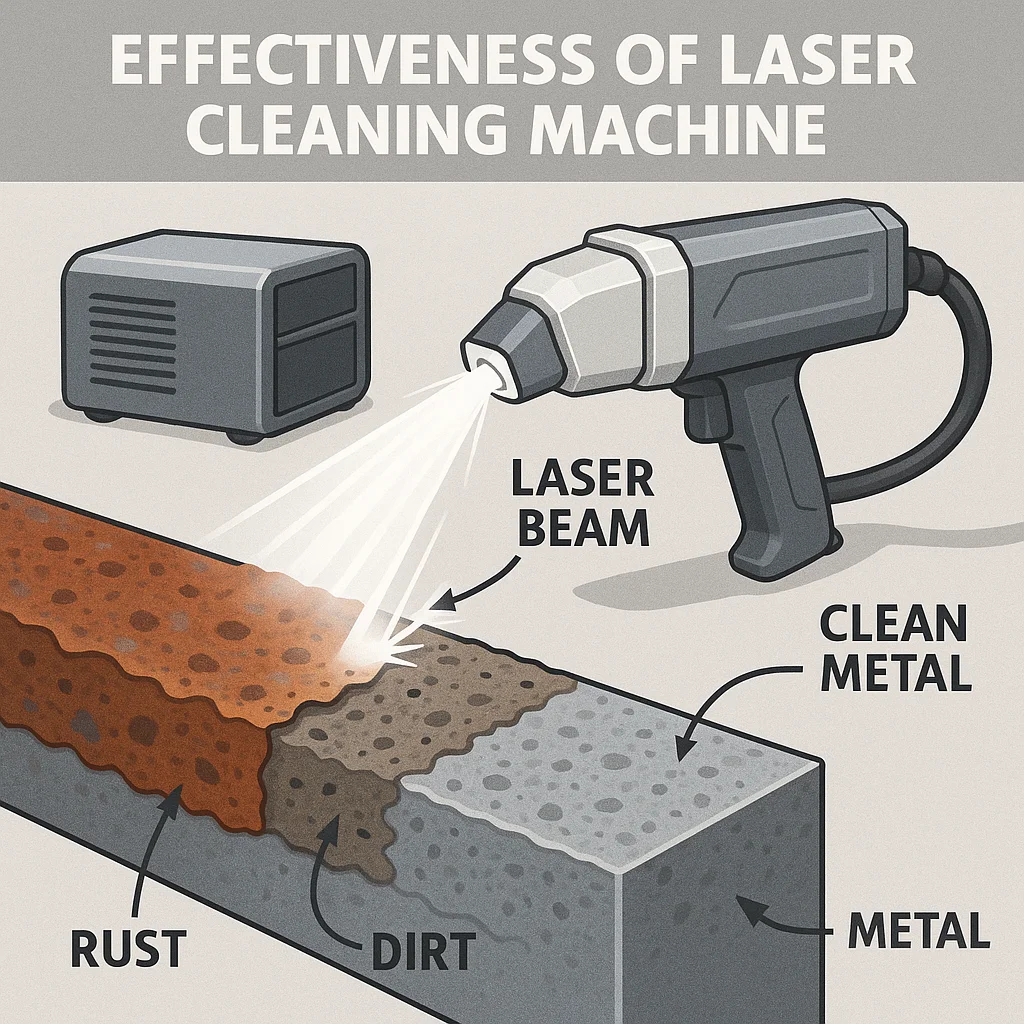
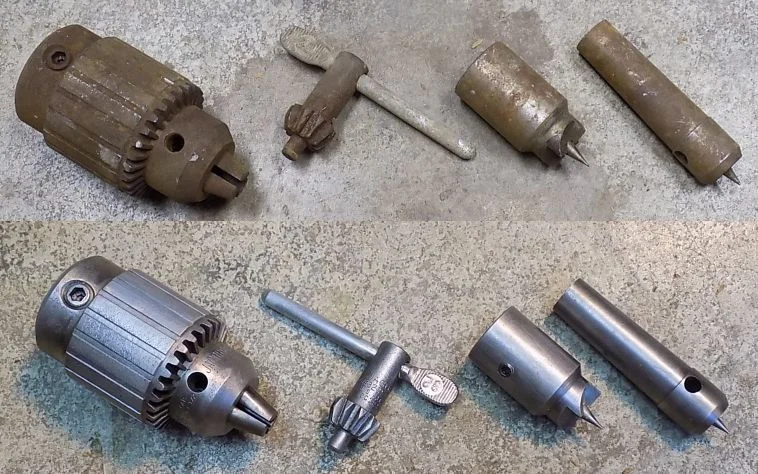
Q1.レーザー洗浄機で除去できるものは何ですか?

レーザー洗浄では、適した素材の表面から錆、酸化皮膜、塗料および特定のコーティングを除去できます。その効果は、母材の種類、被覆層の組成および厚さによって異なります。最適な洗浄条件を判断するため、実際の写真と素材の詳細情報をご提供ください。


Q2.レーザー洗浄で下地を傷つけてしまうことはありますか?

適切に選択されたレーザー条件を用いれば、不要な層を除去しつつ、基材への影響を最小限に抑えることができます。ただし、損傷のない結果が自動的に得られるわけではありません。感光性の高い表面、薄い部品、あるいは unfamiliar なコーティングについては、量産開始前に、ご要件に合致する仕上がり品質が得られるかを必ず事前に検証してください。


A3.パルス式と連続波式のレーザー洗浄機のどちらを選ぶべきですか?

パルス式システムは、選択的洗浄を実現するためのエネルギー供給を柔軟に制御できます。一方、連続波式システムは、より多くの熱入力を許容できる頑健な表面に向いています。出力(ワット数)のみで判断せず、基材の種類、コーティングの性質、求められる仕上がり品質、および実際の検証済み生産性に基づいて選定してください。


A4.この装置で錆や塗膜を除去する速度はどのくらいですか?

洗浄速度は、コーティングの厚さ、密着性、表面形状、および要求される清浄度によって変化します。比較試験を行う際は、同一素材・同一仕上がり基準で評価してください。有効な試験方法として、洗浄面積、処理時間、使用設定条件、および追加パスの有無を記録することが挙げられます。


A5.レーザー洗浄は、サンドブラストや化学洗浄と比べて優れているのでしょうか?

レーザー洗浄は、研磨材や化学洗浄剤を用いずに特定の部位を狙って行うことができます。選択的な除去や後処理作業の削減が重要な用途では、導入の検討価値があります。一方で、広範囲または形状が複雑な対象物に対しては、サンドブラストや化学処理の方がコスト面で有利な場合もあります。


A6.レーザー洗浄機のランニングコストはいくらですか?

電力費、排気フィルター、保護光学部品、冷却装置の保守、人件費、および除去残渣の処分費用を含めてご検討ください。レーザー洗浄ではブラスト材が不要ですが、システム全体の保守管理は引き続き必要です。ご要件に応じた仕上がり品質を実現する前提で、1個あたりまたは1平方メートルあたりのコストで比較することをお勧めします。


A7.排気装置と専用作業エリアは必要ですか?

洗浄過程では微粒子が発生し、塗膜などから有害物質が放出される可能性があります。そのため、用途に応じた適切な排気・フィルター設備が必要です。また、高出力の開放型レーザーシステムでは、レーザーによる危険を防止するための制御区域の設定、適切な遮蔽、訓練を受けたオペレーターの配置、および適切に選定された保護具の着用も必須となります。


A8. レーザー洗浄機を選定する際に必要な情報は何ですか?

基材、付着物またはコーティングの種類、おおよその層厚、部品の寸法、1日あたりの作業量、および仕上げ要件をお知らせください。写真や代表的な試料を提供していただければ、選択的除去、表面保護、あるいは高生産性のいずれを最優先とするかを評価するのに役立ちます。


手持ちレーザー溶接機

B1. ハンドヘルド型レーザー溶接機で溶接可能な金属は何ですか?

適切な装置であれば、ステンレス鋼、軟鋼、アルミニウムなど、特定の金属を溶接できます。溶接適合性は、合金の種類、板厚、表面状態、継手形状によって異なります。異種金属の溶接については、それぞれ個別に評価が必要です。ある組み合わせで成功したからといって、すべての合金が適合するわけではありません。


B2. このレーザー溶接機で信頼性のある溶接が可能な板厚はどの程度ですか?

信頼性のある溶接可能な板厚は、材料の種類、継手形式、組立精度、レーザー出力、および必要な貫通深さに依存します。「最大板厚」という単一の数値だけでは十分とは言えません。ご使用になる継手図面と受入基準をお知らせいただければ、実際の生産に適した板厚範囲を明確に設定できます。


B3. レーザー溶接はTIG溶接やMIG溶接と比べてどう異なりますか?

適した継手に対しては、レーザー溶接により溶接速度の向上、変形の低減、仕上げ作業の削減が可能です。その効果は、部品の組み合わせ精度(フィットアップ)、材質、品質要求仕様によって異なります。準備・溶接・検査・再作業を含む、1個の合格品あたりの総工程時間を比較してください。


B4. ハンドヘルド型レーザー溶接機は、初心者でも習得しやすいですか?

基本操作は、一部の従来型溶接法に比べて習得が容易ですが、安定した高品質の溶接を実現するには、十分な練習と適切な条件設定が不可欠です。使用開始前には、レーザー安全教育の受講および承認済み作業エリアの確保が必須です。扱いやすさは、プロセスの資格認定(プロセス定立)を代替するものではありません。


B5. シールドガスと溶接用フィラー線は必要ですか?

シールドガスは通常、溶接部を保護するために使用します。ガスの種類は、対象材質および溶接プロセスに適合するものを選択する必要があります。密着度の高い継手では、フィラー線を用いずに溶接可能な場合があります。一方、他の継手では、互換性のあるワイヤーフィーダおよびフィラー材の使用が推奨される場合があります(対応機種に限る)。


B6. レーザー溶接は、研磨作業を削減し、溶接外観を向上させることができますか?

適切な継手組み立てと溶接条件を用いれば、レーザー溶接は狭く均一な溶接ビードを形成し、仕上げ作業を軽減できます。最終的な外観は、母材、清浄度、保護ガスの種類および供給状態、およびオペレーターの技術に左右されます。ご自身の視覚的・機械的受入基準に基づき、実際の結果を確認してください。


B7. ハンドヘルド式レーザー溶接にはどのような安全対策が必要ですか?

開放型高出力レーザー溶接を行うには、制御された作業エリア、適切な遮蔽壁またはエンクロージャー、排気装置、および用途に応じた保護具が必要です。また、反射光も危険を伴います。通常の溶接用保護具だけでは不十分であり、必ず機器の取扱説明書および有資格者の現場安全評価に従ってください。


B8. レーザー溶接機の実際の運用コストはいくらですか?

シールドガス、電力、保護レンズ、ノズル、冷却装置の保守、および使用する場合の溶接ワイヤーの予算。作業工数および溶接後の仕上げ作業も含めてください。レーザ出力や機器価格単体ではなく、合格した溶接継手あたりのコストで比較してください。


レーザーマーキングマシン

C1. レーザーマーカーは、ファイバーレーザー、MOPA方式、UVレーザー、CO₂レーザーのうち、どれを選べばよいですか?

ファイバーレーザーは金属および特定のプラスチックへのマーキングに広く用いられています。MOPA方式ファイバーシステムはパルス幅制御機能を備え、特定のマーキング効果を実現します。UVレーザーおよびCO₂レーザーは、それぞれ異なる材質や表面仕上げに適しています。実際の被加工材および要求されるマーキング品質を用いて試験を行い、その結果に基づいて光源を選定してください。


C2. レーザーマーキングは永久的であり、摩耗に耐えますか?

レーザーマーキングは、通常の印刷インクを付着させるのではなく、材料そのものを変化または除去します。耐久性はマーキング方式、深さ、被加工材および使用環境によって異なります。摩擦、化学薬品、熱にさらされる部品については、承認前に該当する耐久性試験を明記してください。


C3. この装置でロゴ、シリアル番号、バーコード、QRコードをマーキングできますか?

これらは一般的なレーザー刻印の応用例ですが、対応可能なファイル形式や可変データ機能は、コントローラーおよびソフトウェアによって異なります。トレーサビリティコードについては、見た目だけでなく、想定されるスキャナーまたは検証機器によるコントラスト、サイズ、読み取り性を実際に評価してください。


C4.色付き刻印や黒色刻印にはMOPAレーザーが必要ですか?

MOPAパルス制御により、ステンレス鋼への特定の色調表現や、陽極酸化アルミニウムへの黒色刻印が可能になります。ただし、その結果は合金種類、表面仕上げ、加工条件などに大きく左右されます。これはフルカラー印刷ではなく、すべての刻印作業でMOPAが必要というわけでもありません。


C5.リング状・筒状・曲面部品への刻印は可能ですか?

円筒状部品には適切なロータリーフィクスチャを使用できますが、一部の形状では3次元焦点調整や専用の位置決め機構が必要となる場合があります。部品の寸法、重量、形状、刻印位置を事前に確認してください。ロータリー付属装置のみで、あらゆる曲面部品が必ずしも対応可能になるわけではありません。


C6.レーザー出力と刻印範囲は、刻印結果にどのような影響を与えますか?

必要な出力は、材料、サイクルタイム、マーキング深度によって異なります。レンズの選択は、利用可能なスキャン範囲および実現可能なスポット特性に影響します。高出力や広いスキャン範囲が、必ずしもより精細なマーキングを実現するわけではありません。ご使用のアートワークおよび部品仕様と照らし合わせて、両方を評価してください。


C7.1個の部品をマーキングするのにどのくらいの時間がかかりますか?

サイクルタイムは、アートワークのサイズ、塗りつぶし密度、マーキング深度、材料、および部品の搬入方法によって異なります。メーカーが公表しているスキャン速度は、完成品の実際の生産効率(スループット)とは異なります。位置決め、マーキング、部品の搬出、および必要に応じたコード検証を含む、一連の完全な作業サイクルで評価してください。


C8.この装置は、自社の生産ラインや業務用ソフトウェアと接続できますか?

システム連携の可否は、選択したコントローラー、ソフトウェアライセンス、および利用可能なインターフェースに依存します。購入前に、トリガー条件、可変データの入力元、部品追跡方法、エラー処理手順を明確にしてください。コンベアによるマーキング、データベース接続、およびカスタムソフトウェアの対応については、それぞれ具体的な構成オプションとして事前に確認が必要です。


ファイバーレーザー切断機

D1.このファイバーレーザー切断機で加工可能な金属材質および板厚は?

ファイバーレーザー切断機は、適切な構成を用いることで、軟鋼、ステンレス鋼、アルミニウムなどの一般的な金属を加工できます。切断可能な板厚は、機種、材料、アシストガスによって異なります。機種ごとの切断チャートを参照し、生産品質の切断と最大切断厚の違いを明確に区別してください。


D2.私の工場にはどの程度のレーザー出力が必要ですか?

最も頻繁に加工する材料・板厚、受注数量、および要求されるエッジ品質を基準に、適切な出力を選定してください。より高い出力は、条件に合った作業において生産性を向上させる可能性がありますが、ガス供給能力、ローディング時間、電源容量、および総投資額なども併せて検討する必要があります。


D3.切断後のエッジはバリ取りやその他の仕上げ処理が必要になりますか?

適切に設定された加工条件により、比較的清潔なエッジを得ることは可能ですが、スラグ付着、酸化、表面粗さは材料・板厚・ガス種・部品形状によって左右されます。自社で許容できるエッジ品質およびその後の工程を明確に定義してください。すべての部品が仕上げなしでそのまま使用可能であると想定しないでください。


D4.ファイバーレーザー切断機の主なランニングコストは何ですか?

主要なコストには、アシストガス、電力、ノズル、保護ウィンドウ、冷却、排気、保守および人件費が含まれます。また、材料の使用効率も重要です。代表的な図面と現地のガス・電力単価を用いて、完成品1個あたりのコストを比較してください。


D5.切断には酸素、窒素、あるいは圧縮空気のいずれを使用すべきですか?

ガスの種類は、切断面の酸化状態、加工速度、およびコストに影響を与えます。軟鋼の切断には酸素が一般的ですが、酸化を避けた切断面が必要な場合は、通常、窒素が選択されます。圧縮空気は、一部の用途に適しています。ただし、ご使用の機械および加工材質に応じて、許容されるガスの品質、圧力、供給能力を必ず確認してください。


D6.1台の機械で、板材とパイプの両方を切断できますか?

板材とパイプの両方の加工に対応するよう構成された機械のみが、この機能を備えています。パイプ切断には、適切なワークホルダー、サポート、および専用ソフトウェアが必要です。パイプの形状、寸法、最大装荷重量、有効長などを事前に確認してください。板材専用の切断機は、自動的にパイプ切断機能を備えているわけではありません。


D7.設置にあたってどのような準備が必要ですか?

必要な床面積、搬入経路、指定された場合は基礎、電源、アシストガス、冷却装置および排気設備を準備してください。必要条件は機種構成によって異なります。ワークショップの整備に先立ち、対象機種の具体的な据付レイアウト図および各種設備仕様書を必ずご請求ください。


D8. 当該機械は、CNCレーザー切断機の操作経験がないオペレーターでも使用可能ですか?

ソフトウェアによる操作ガイダンスおよび検証済みの切断データにより、操作が簡素化されますが、オペレーターには引き続き、機械のセットアップ、ネスティング、材料の取扱い、切断品質の確認、保守点検に関する訓練が必要です。機種構成を選定する前に、提供されるソフトウェアの内容、訓練の範囲および技術サポート体制を必ずご確認ください。

無料お見積もりを取得

担当者よりすぐにご連絡いたします。
メールアドレス
携帯電話/WhatsApp
氏名
会社名
お問い合わせ内容
0/1000