 ×
Model number |
MH-PLC |
Laser power |
100W/200W/300W/500W |
Power |
220v 110v 50HZ 60HZ |
Laser source |
Guangzhi/Max/JPT |
Scanning Wideth |
10-150mm(optional) |
Expected Focal Distance |
160mm/210mm |
Fiber Length |
3M |
Gross weight |
50KG |
Certificate |
CE certificate |
Warranty |
2 years |
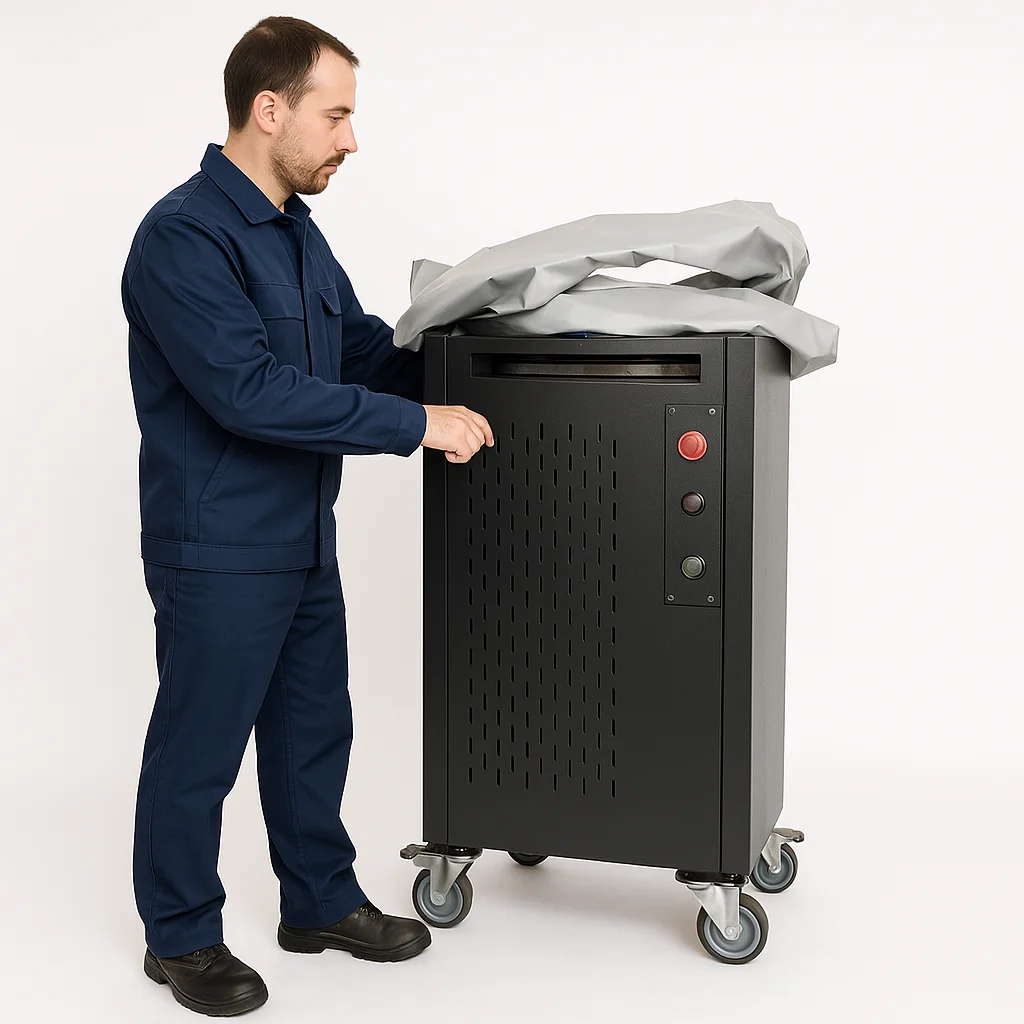
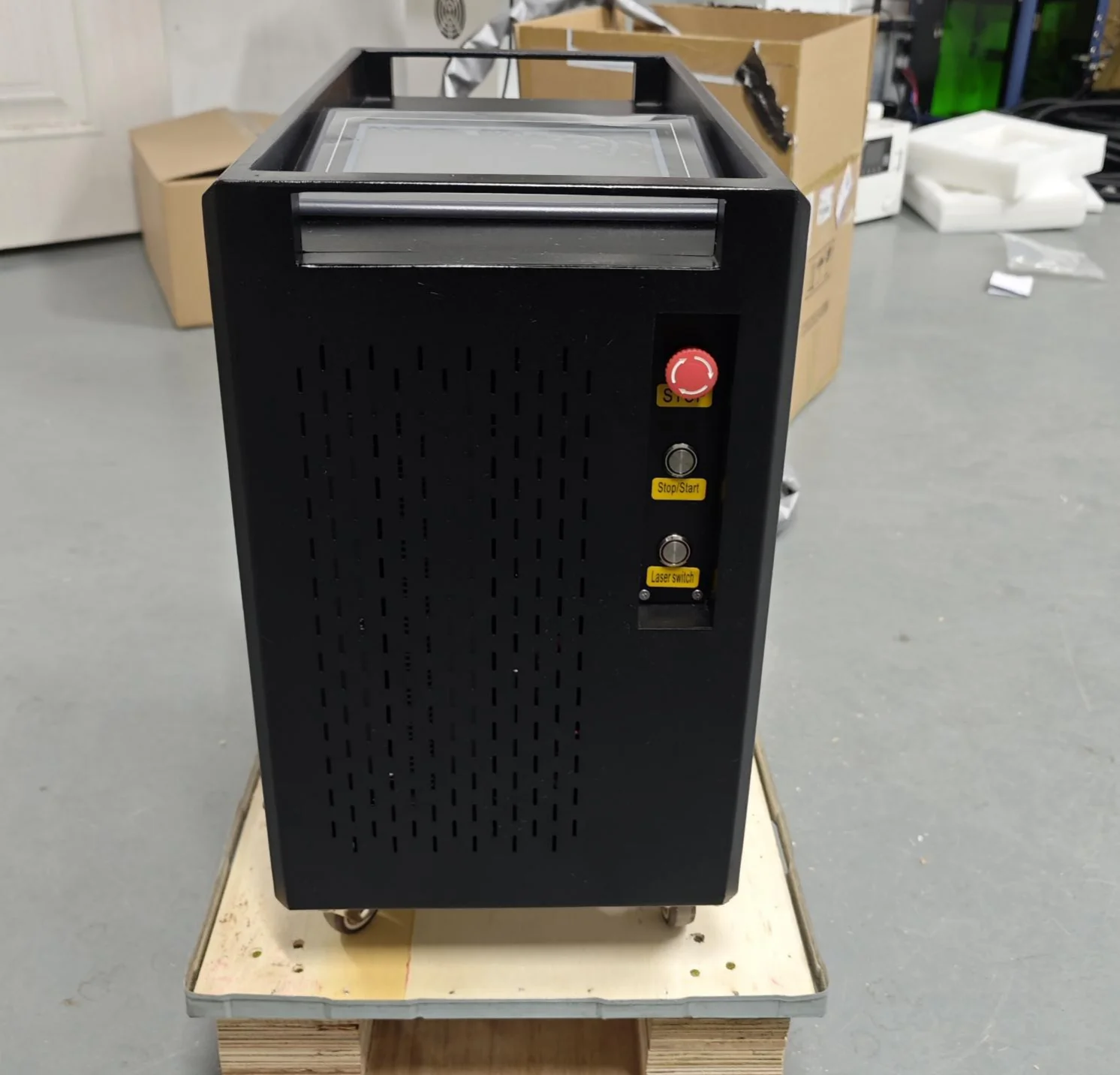
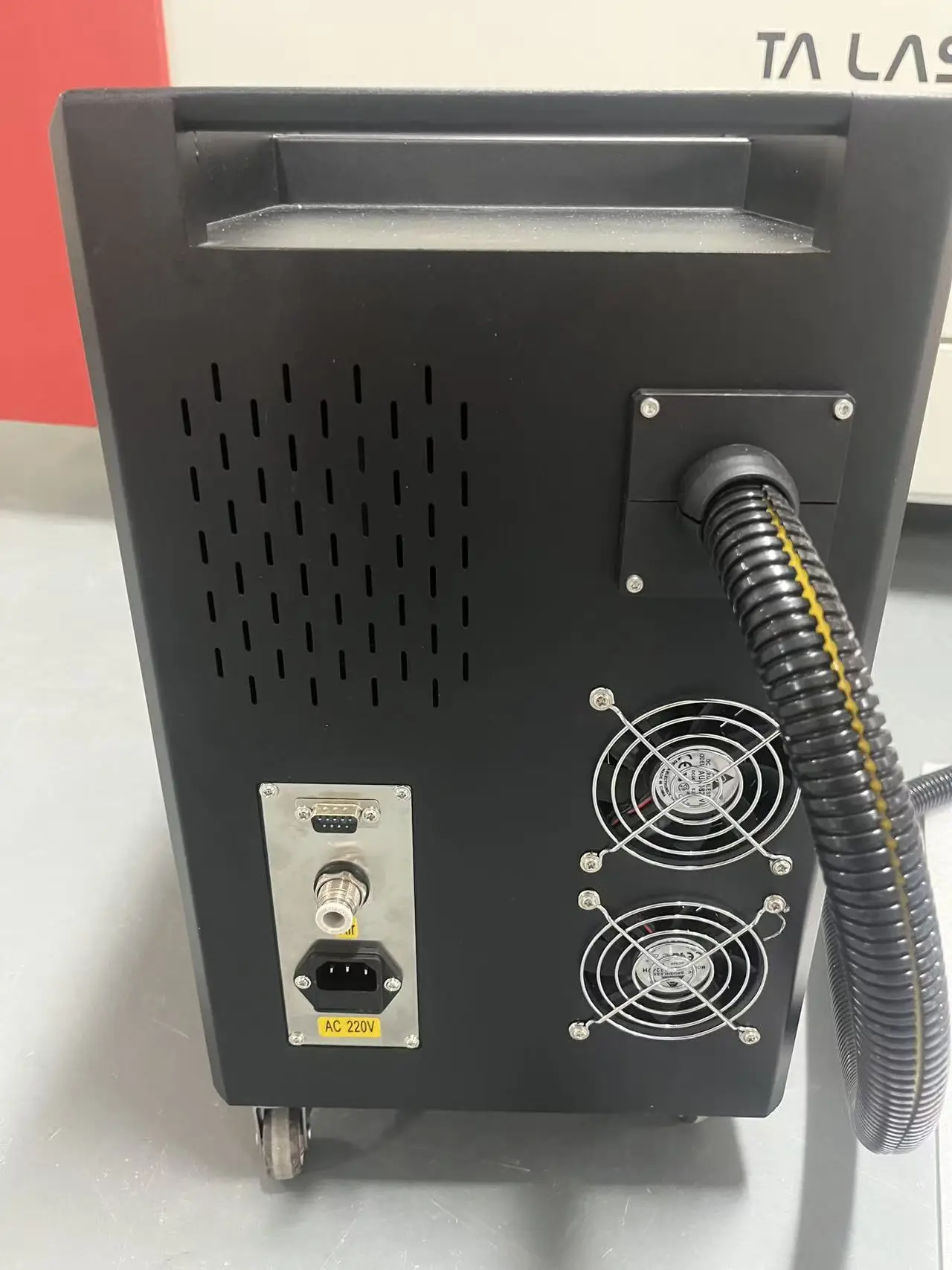
The MH-PLC is a handheld pulsed fiber laser cleaning machine built for maintenance bays and fabrication shops that need to take rust, mill scale, paint and coating off metal without moving a blasting pot or a chemical tank to the job. The scan head sits in the operator's hand, the 3 m fiber lets the head reach into frames, tanks and weld joints, and the scan width adjusts from 10 mm to 150 mm so one pass can follow a weld seam or cover a wider plate area.
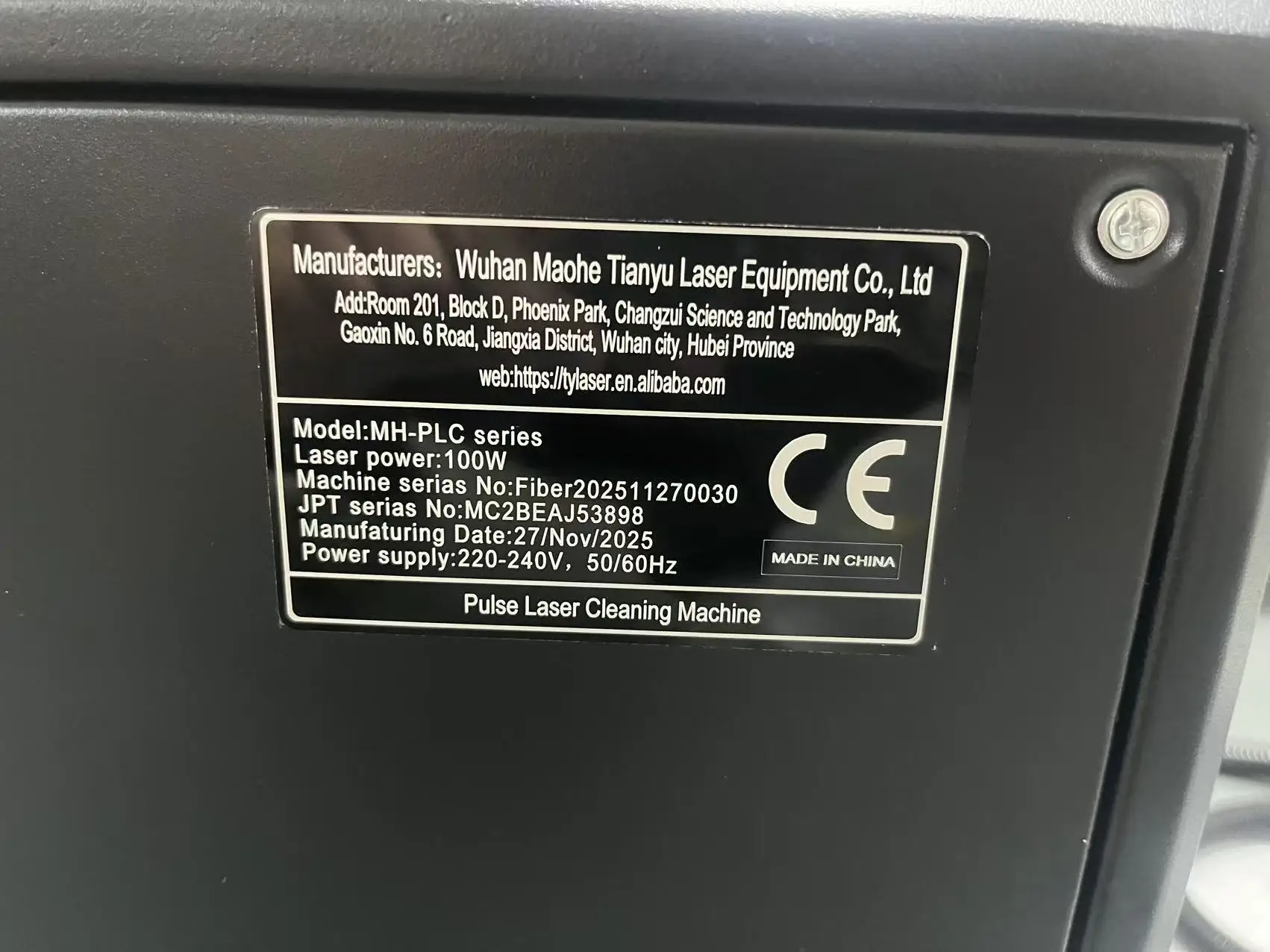
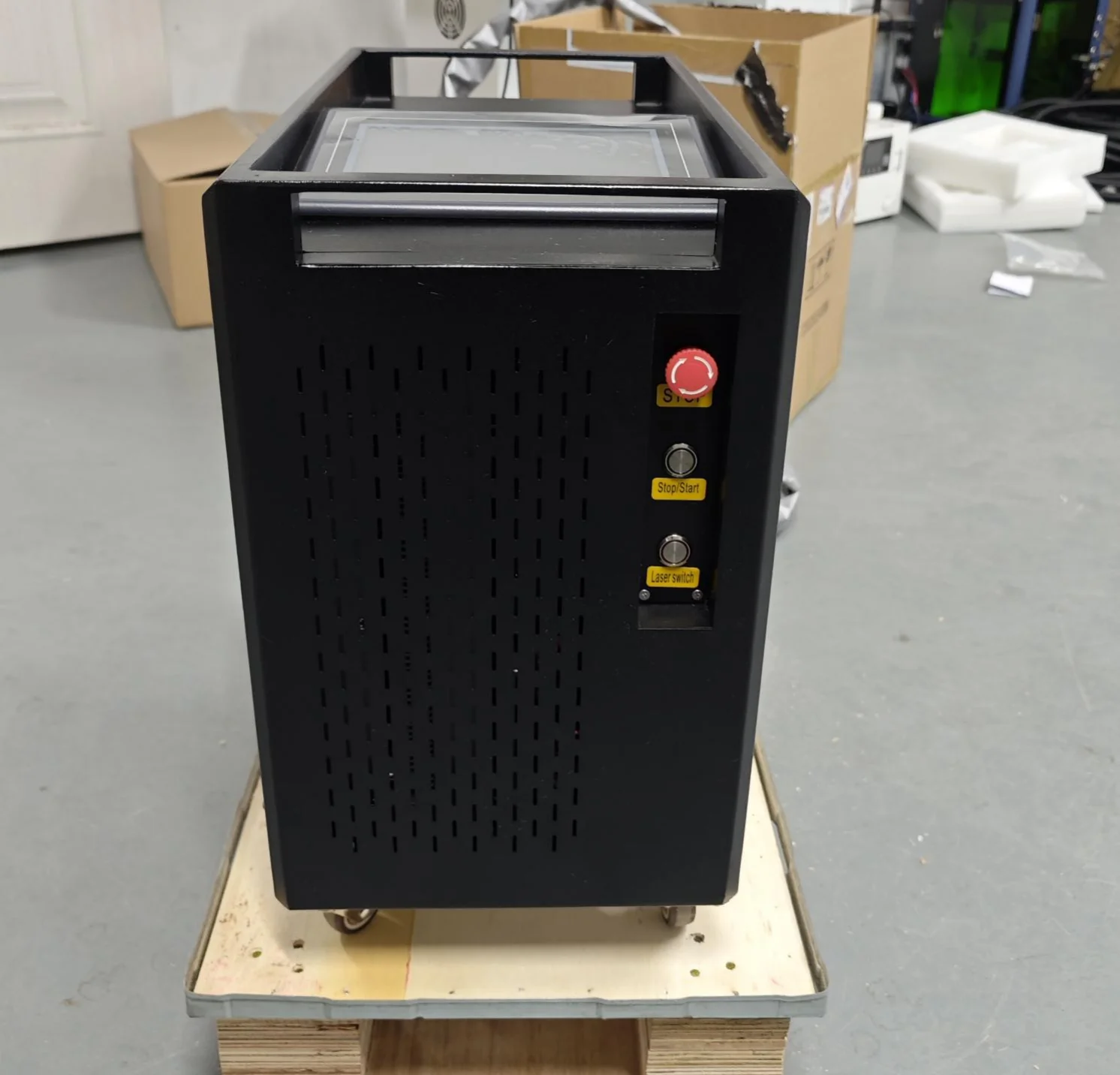
Four power levels are offered on this industrial laser cleaning machine: 100 W, 200 W, 300 W and 500 W, with 220 V and 110 V versions at 50 Hz or 60 Hz so the same platform can be quoted for different markets. Fiber source options are Guangzhi, Max and JPT. CE marking and a two-year warranty are quoted as standard, and the whole unit weighs around 50 kg on a chassis the operator can push between workstations.

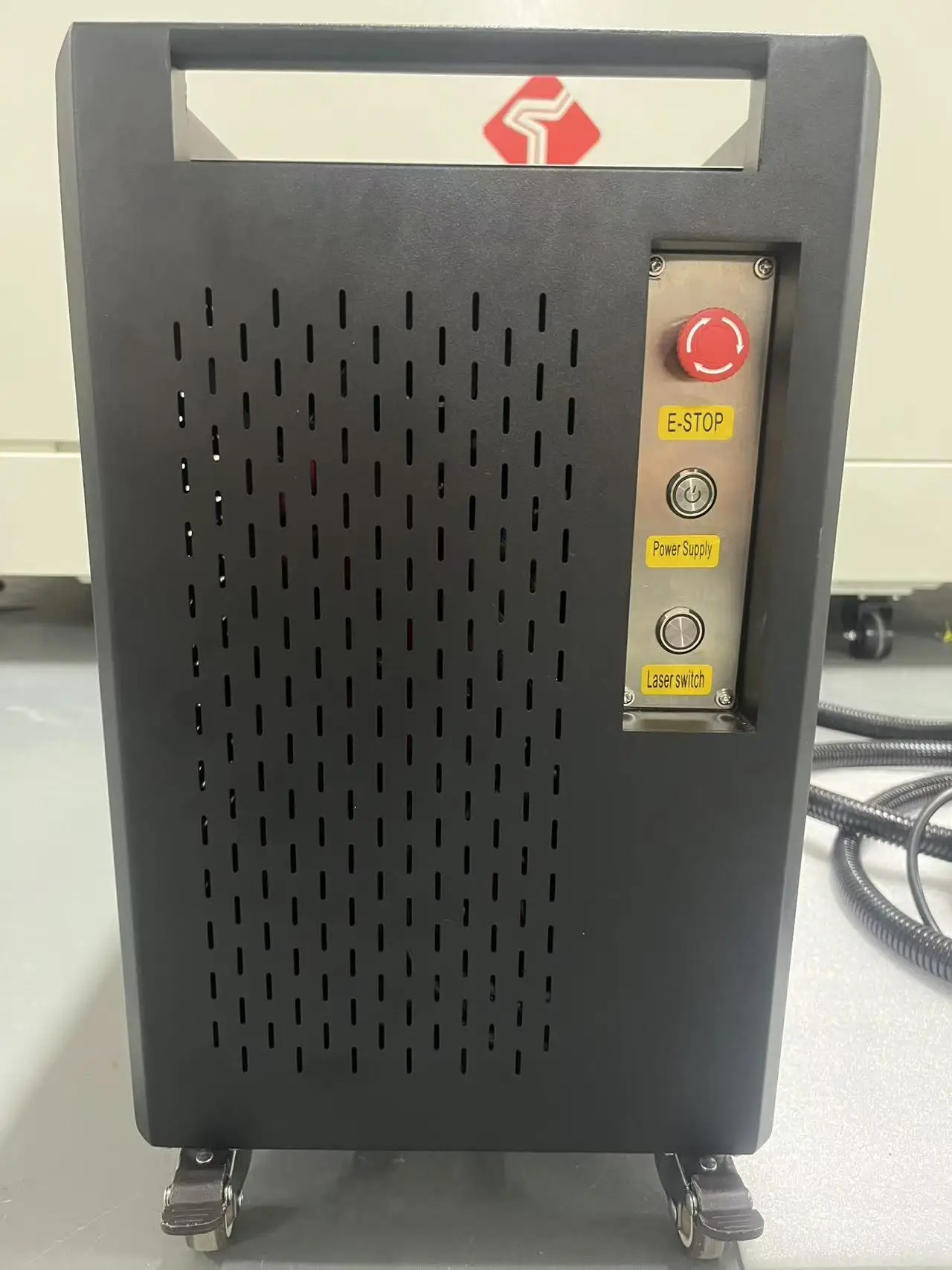
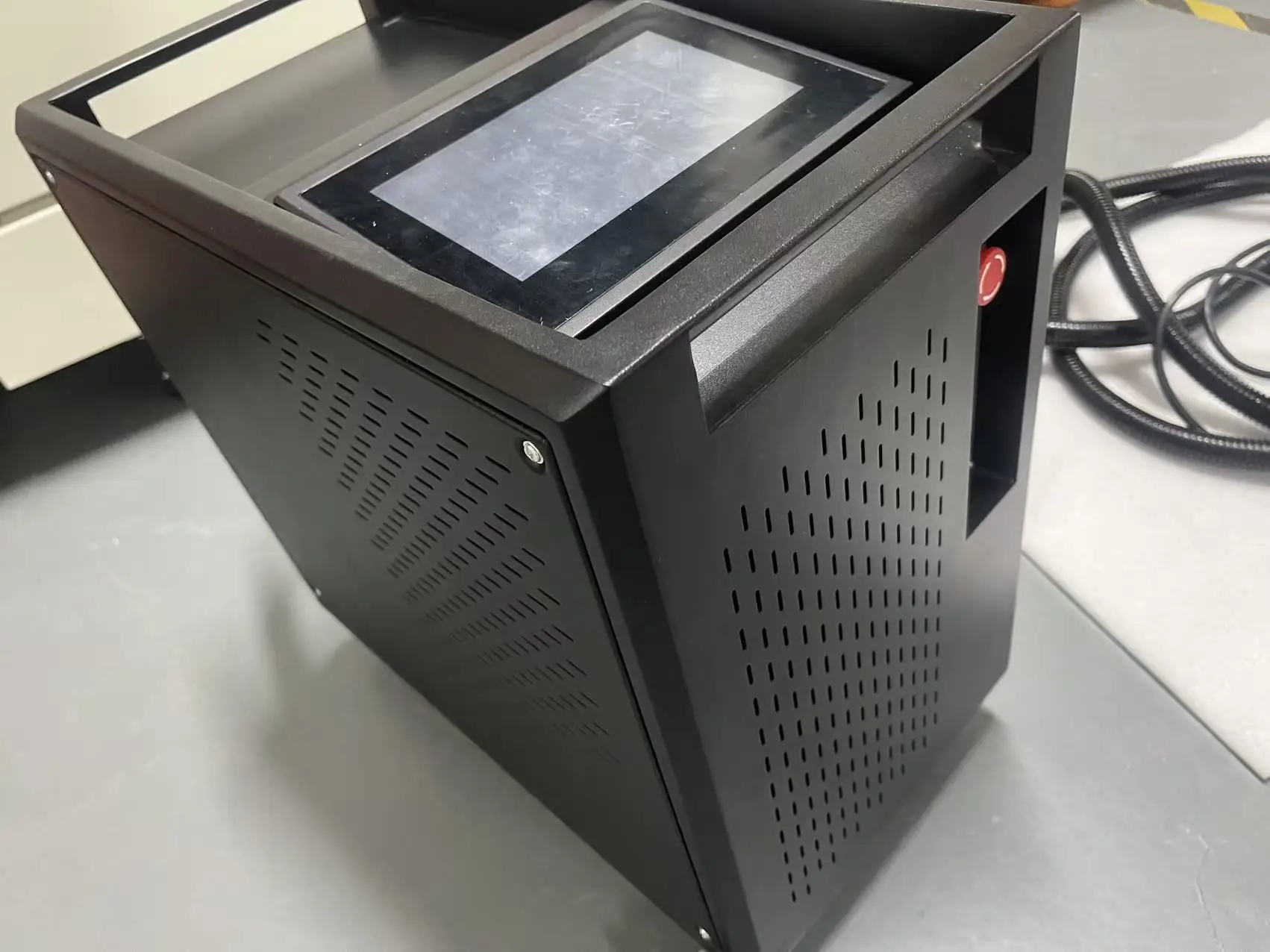

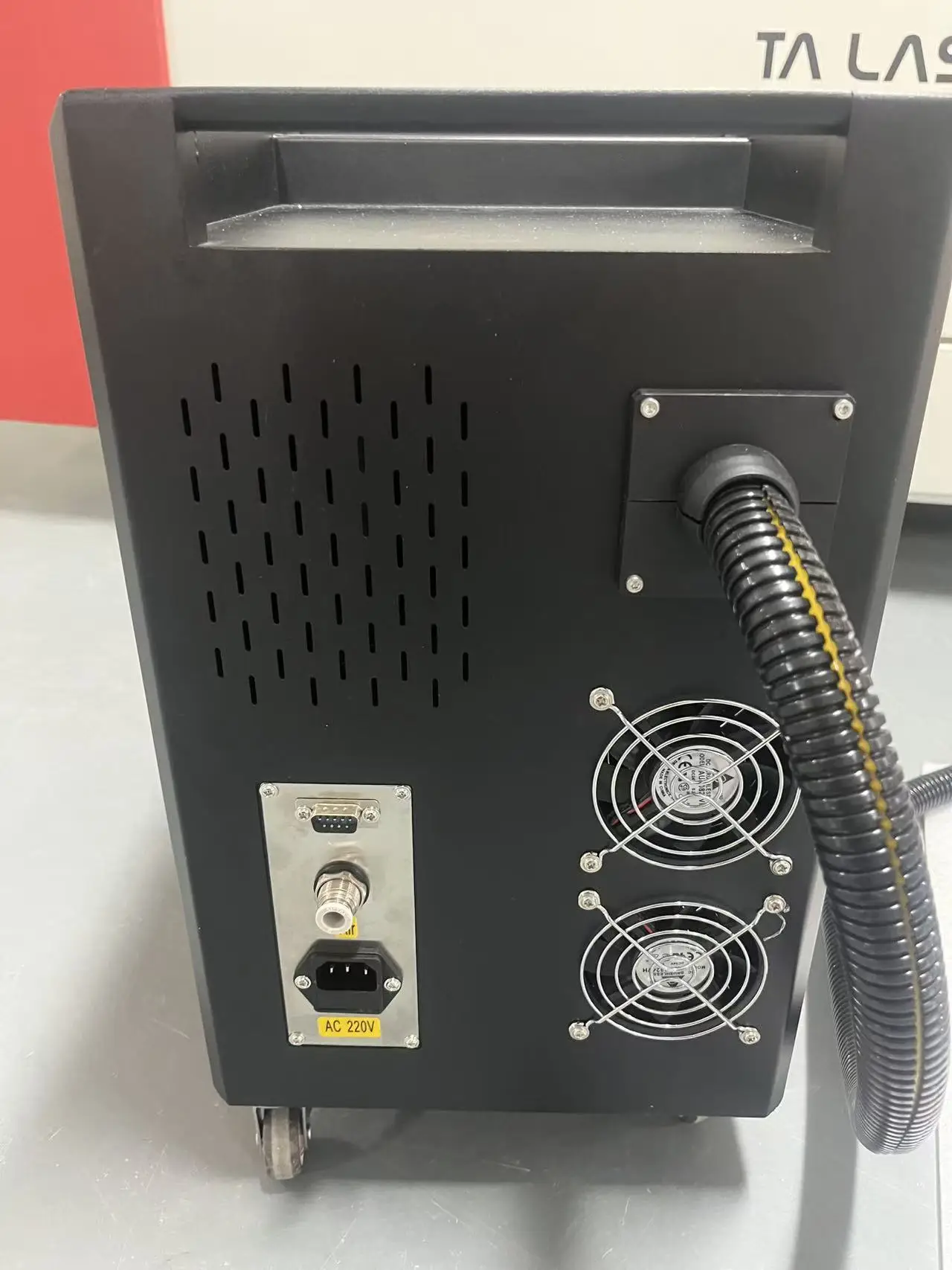
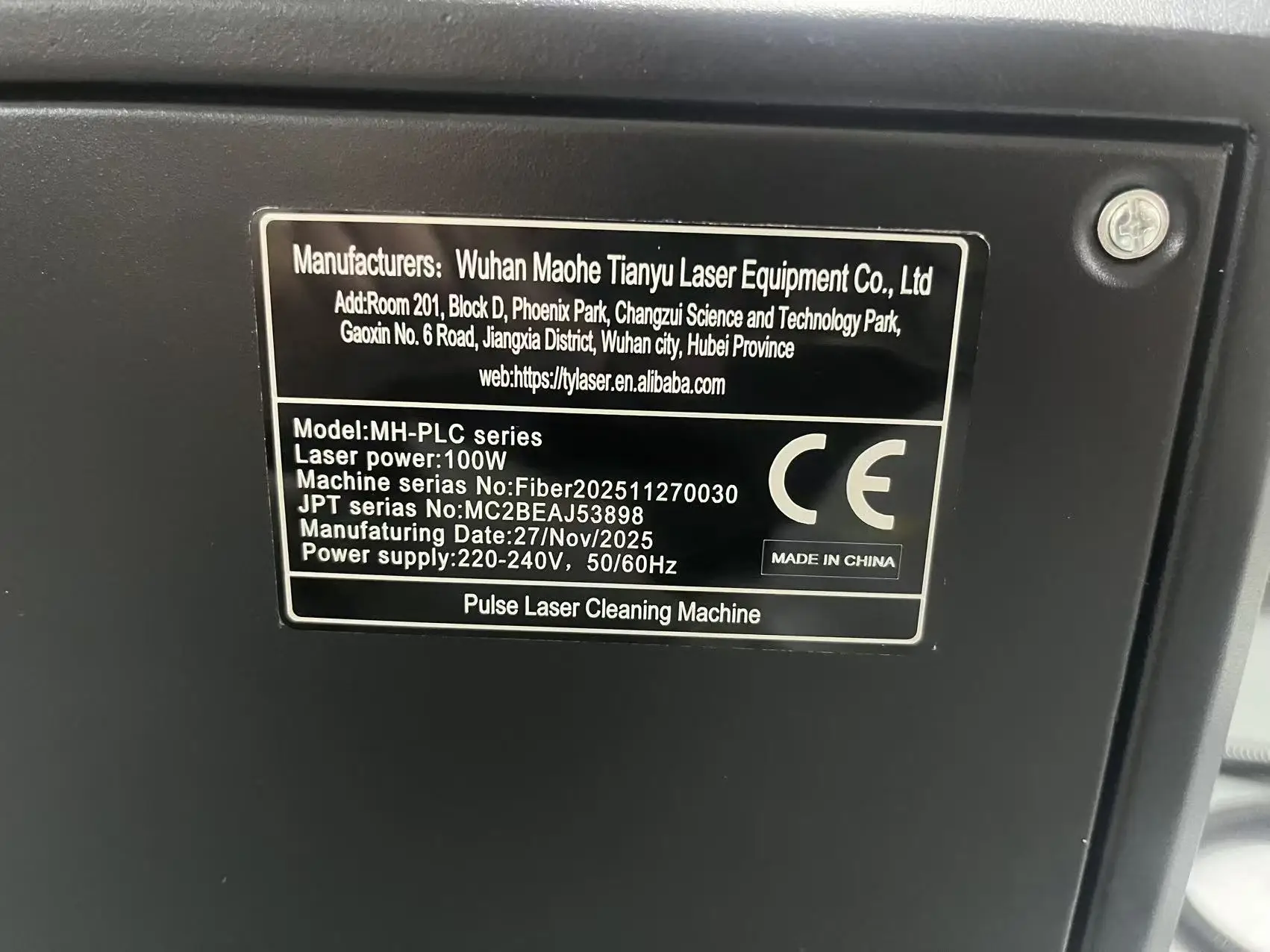
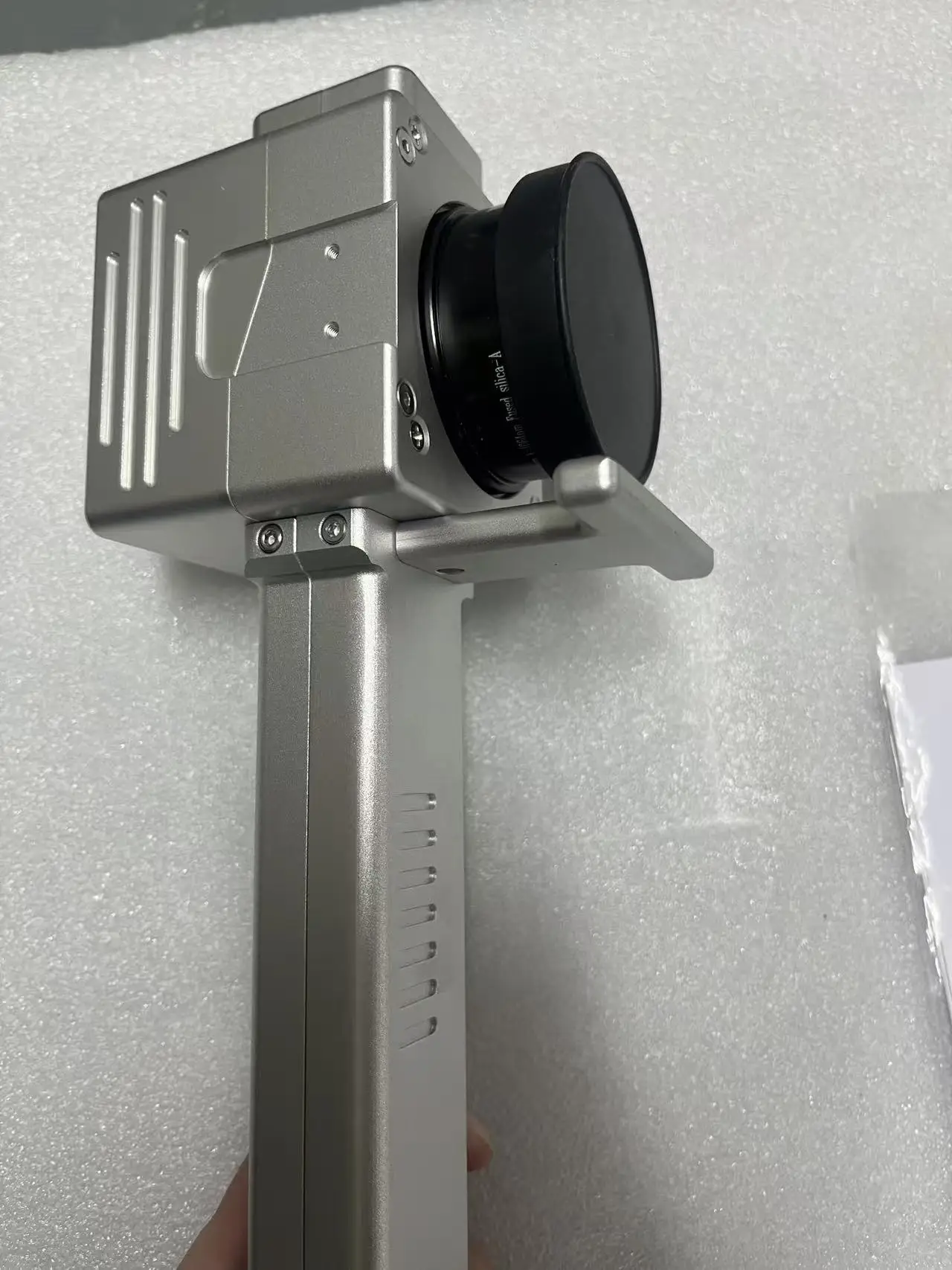


The points below are what buyers ask about first, and all of them apply to any laser cleaning machine in this class.
• Handheld scan head on a 3 m fiber: on a laser cleaning machine the head travels to the part, including frames, tanks, overhead welds and surfaces a fixed booth cannot reach.
• Scan width from 10 mm to 150 mm: a narrow line for seams, edges and grooves, a wide band for plate and larger coating areas.
• Two focal lengths, 160 mm and 210 mm: the shorter one gives a tighter spot for detail work, the longer one gives reach where the operator cannot stand close.
• Pulsed fiber source from Guangzhi, Max or JPT: average power, pulse width, frequency and scan speed are set on the control panel rather than fixed by the builder.
• 220 V and 110 V versions at 50 Hz or 60 Hz: one laser cleaning machine platform, quoted for different workshop and export supplies.
• Around 50 kg gross weight on a push-able chassis: a single operator can move the unit between bays and load it onto a truck without a crane.
• No grit and no solvent: the residue leaves as a dust plume for the extraction system, not as spent media or a liquid bath that needs disposal.
• CE marked, two-year warranty: protective lenses and extraction filters are the only parts replaced on a routine schedule.
The pulsed fiber laser inside a laser cleaning machine sends short bursts of high peak power through the fiber into the scan head. Inside the head, a galvanometer mirror sweeps the beam across the work surface, so the energy lands as a moving line or a raster pattern instead of one fixed spot. Oxide, paint and many process residues absorb that energy far more readily than the metal underneath; they heat, lose their bond and are ejected, while the short pulse leaves little time for heat to travel into the substrate.
On this laser cleaning machine the settings are chosen together, not one at a time. Average power sets how much energy arrives per second, pulse width sets how that energy is delivered, frequency and scan speed set how far consecutive lines overlap, and the stand-off distance sets the spot size at the surface. A thick, well-adhered coating usually calls for higher power and slower travel; a thin flash-rust film on a machined face usually calls for less power and a wider scan.
A workable sequence for a new job on this laser cleaning machine looks like this:
• Step 1, send a sample: base material, coating type and approximate thickness, plus the finish the drawing or customer actually requires, since that is what any laser cleaning machine has to be set against.
• Step 2, set the scan width to the feature: seam, edge, groove or open plate, rather than to the size of the machine.
• Step 3, start under-powered: raise average power on the laser cleaning machine until the layer clears, then reduce travel speed to gain throughput instead of adding power.
• Step 4, record the recipe: power, width, focal length and speed, so the next batch runs to the same result instead of being re-invented.
Where a laser cleaning machine earns its place is usually in work that is hard to move, hard to mask or hard to take offline.
• Automotive tooling and moulds: release agent, rubber flash and scale off cavities and parting lines, with weld seams cleaned before and after joining.
• Metal fabrication: mill scale, laser-cut dross and rust taken off plate and profiles ahead of painting or galvanizing.
• Shipbuilding and heavy steel: weld paths cleaned on blocks, and salt, rust and old coating removed from repair areas before re-coating.
• Construction and stone: dust, efflorescence and mortar residue lifted from facades and stone without an abrasive blast or water wash.
• Rubber and plastics tooling: cured residue cleared from mould cavities where media blasting would damage the parting line.
• Maintenance and refurbishment: pump housings, valve bodies and machine frames cleaned in place, without dismantling the assembly.
Not every surface suits a laser cleaning machine. Thin sheet, anodised aluminium, polished stainless and heat-treated parts should be tested first, and where a specific surface profile or roughness value is written on the drawing, the laser pass has to be qualified against that value rather than judged by eye.
The choice comes down to layer thickness and daily area, not to the number on the nameplate of a laser cleaning machine.
• 100 W: light rust, thin oxide, oil films and dust, small welds and repair spots where travel speed is secondary.
• 200 W to 300 W: the working range for mill scale, paint systems, weld preparation and general maintenance cleaning on steel and stainless.
• 500 W: thicker coatings, larger areas, and work measured by throughput rather than by part.
• 1000 W: offered in the wider TY range for heavy removal and continuous duty; confirm the extraction capacity and the duty cycle before choosing it.
Wattage is a capacity figure rather than a cleaning result, and a laser cleaning machine is quoted on capability rather than on an outcome claim. Two 200 W laser cleaning machines with different pulse settings can behave differently on the same paint system, and a 500 W unit run at low power is not the same tool as a 200 W unit run at its limit. Compare cleaned area per hour at the finish you actually need, using your own parts.
It helps to put the four routes side by side before deciding where a laser cleaning machine fits in the shop.
Method |
Consumables and waste |
Effect on the substrate |
Where it fits |
Pulsed laser cleaning |
No grit, no solvent; dust and fume go to extraction |
Non-contact; short pulses limit heat, but the finish still needs testing |
Selective removal on welds, tooling, repair areas and in-place work |
Sandblasting |
Grit and spent media; heavy dust; the profile is changed on purpose |
Abrasive; removes base material and leaves an anchor pattern |
Large areas where a blast profile is specified |
Chemical stripping |
Solvent, acid or alkaline bath; liquid waste to treat |
Can attack the substrate and leave residue in seams |
Complex shapes and batch immersion, where waste treatment exists |
Hand grinding |
Discs and labour; dust |
Mechanical removal; risk of gouging and thinning the section |
Small areas, edges and touch-up after welding |
The number that decides between these methods is cost per accepted part, not cost per hour of cleaning. A laser pass tends to win on selective work and on parts that cannot be moved; blasting stays cheaper on large flat areas that need a profile. Plenty of workshops keep both and route the work accordingly, which is also a fair way to judge whether a laser cleaning machine belongs on your floor next to the blast cabinet.
Freight and documentation decide how quickly a laser cleaning machine starts earning, so both are planned before the order is confirmed.
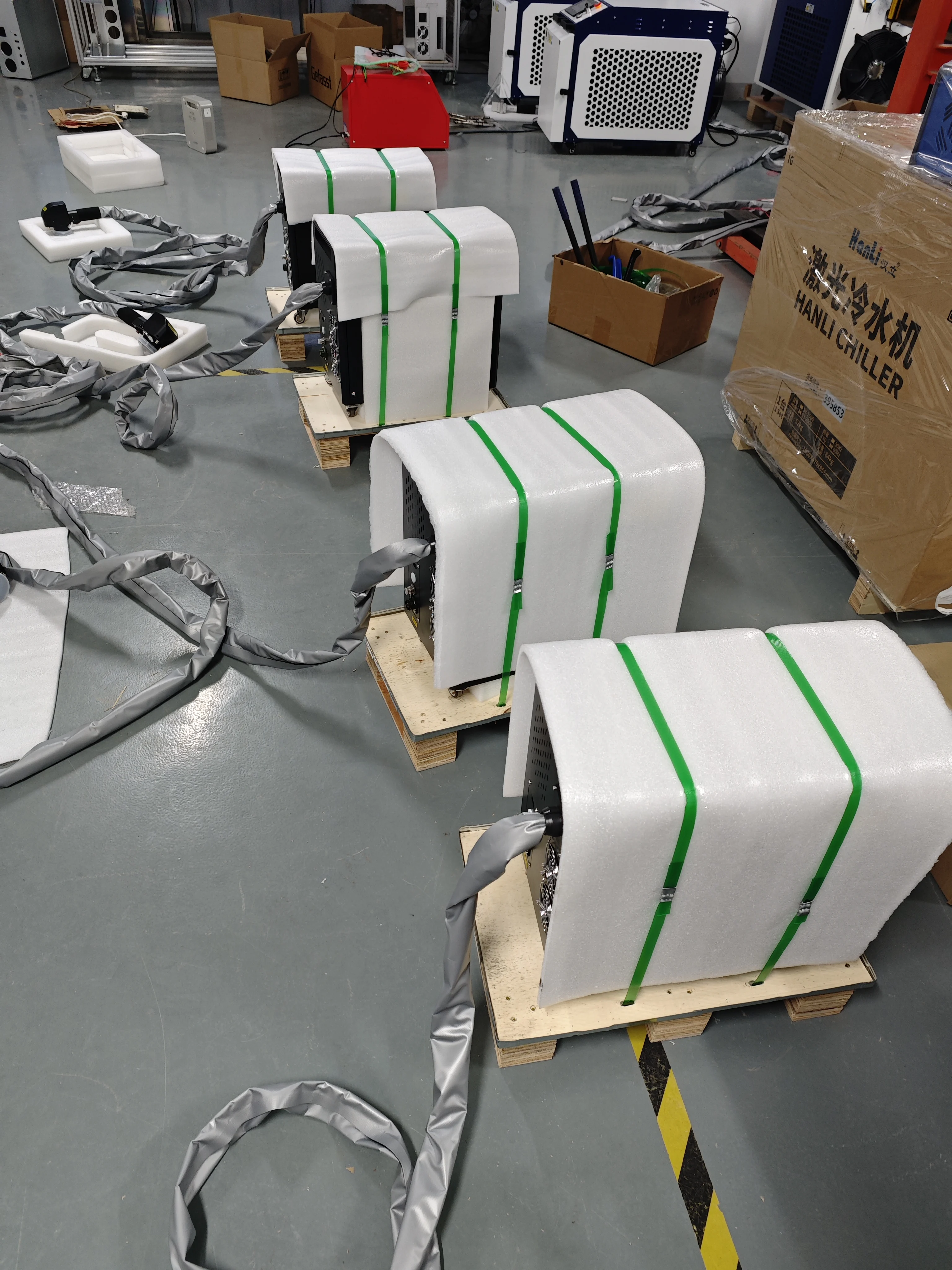
Each laser cleaning machine ships as a set: main unit, handheld scan head, fiber, protective lenses, tool kit and manual, inside an export wooden case.
• Packing: foam-lined wooden case, suitable for sea, air and rail freight; one unit fits on a single pallet.
• Lead time: a standard laser cleaning machine configuration is quoted at 4 to 6 weeks from confirmed order, while special voltage, fiber length or focal length can extend that.
• Sample testing: send representative parts and the cleaned samples come back with the settings recorded, so the quotation for your laser cleaning machine matches a real result rather than a catalogue figure.
• Documentation: CE certificate, packing list, manual and wiring diagram travel with the shipment for customs and site approval.
The checks below are what make a laser cleaning machine repeatable from one shipment to the next.
Every laser cleaning machine is assembled, burned in and test-cleaned on sample material before packing. Output power, scan pattern, cooling performance and safety interlock status are checked and recorded on the unit's test sheet.
• Warranty: two years on the laser cleaning machine as quoted in the specification table; protective lenses and filter elements are consumables and sit outside that term.
• Compliance: CE marked, with the EU documentation supplied so the unit can clear customs and pass a site safety review.
• Remote support: parameter review and fault diagnosis by video for any laser cleaning machine in the field, with a 24/7 response line for export customers.
• Training: setup, parameter selection, lens replacement and daily checks on the laser cleaning machine, delivered on site or by video session.
• Spare parts: protective lenses, nozzles and cables for this laser cleaning machine are supplied as separate items, so a stopped unit does not wait on a full service visit.
• Distribution: exclusive territories are available for regional partners, with technical and marketing support attached.
Wuhan Maohe Tianyu Laser Equipment Co., Ltd. designs and builds CNC laser equipment in Wuhan, Hubei, in the Optics Valley cluster, and trades as TYLaser. The company reports 15 years in the laser field, exports to more than 140 countries, and delivers over 8,000 units a year to a customer base of roughly 35,000. Its R&D team averages more than ten years of industry experience and holds multiple patents. Non-standard requests are handled in house, with quotation and delivery from 4 to 6 weeks, which is why this laser cleaning machine is offered with selectable power, voltage, focal length and fiber source rather than as a single fixed model.
Pulsed Laser Cleaning Machine
Laser cleaning can remove rust, oxides, paint and selected coatings from suitable surfaces. Results depend on the base material, layer composition and thickness. Share photos and material details to help identify a suitable cleaning process.
Correctly selected laser parameters can remove unwanted layers while limiting changes to the substrate. Damage-free results are not automatic. Sensitive surfaces, thin parts and unfamiliar coatings should be tested against your required finish before production.
Pulsed systems provide flexible control of energy delivery for selective cleaning. Continuous-wave systems may suit robust surfaces that tolerate more heat input. Choose based on the substrate, coating, required finish and tested productivity—not wattage alone.
Cleaning speed varies with coating thickness, adhesion, surface geometry and the required cleanliness. Compare results using the same material and finish criteria. A useful test records cleaned area, processing time, settings and any additional passes.
Laser cleaning can target specific areas without abrasive media or chemical cleaning agents. It is worth evaluating where selective removal and reduced cleanup matter. Sandblasting or chemical processes may remain more economical for some large-area or complex applications.
Include electricity, extraction filters, protective optics, cooling-system maintenance, labor and residue disposal. Laser cleaning avoids blasting media, but the complete system still needs maintenance. Compare cost per cleaned part or square meter at your required finish.
Cleaning releases particles and may release hazardous substances from coatings. Suitable extraction and filtration are needed for the application. Open high-power systems also require a controlled laser area, appropriate shielding, trained operators and correctly selected protective equipment.
Provide the base material, contaminant or coating, approximate layer thickness, part dimensions, daily workload and required finish. Photos and representative samples help assess whether the priority is selective removal, surface preservation or higher throughput.
On a laser cleaning machine, a narrow scan puts the same power into a small line, which suits weld seams, edges and deep grooves where the energy has to be concentrated. A wide scan spreads that power across a larger band, so one pass covers more plate but cleans each square millimetre more slowly. Set the width to the feature you are cleaning first, then balance power and travel speed around it.
On this laser cleaning machine, the 160 mm lens gives a shorter working distance and a tighter spot, which helps on detail work and inside confined spaces. The 210 mm lens gives more reach and a larger field at the surface, which suits flat plate and areas the operator cannot get close to. Workshops with mixed work often keep one of each rather than deciding once.
Both 110 V and 220 V versions are quoted, at 50 Hz or 60 Hz. Running from a generator depends on its continuous rating and waveform quality, so share the generator specification and the site voltage before ordering. A marginal supply can trip the unit under load even when the average rating looks sufficient.
A standard laser cleaning machine configuration is quoted at 4 to 6 weeks from confirmed order. Sample testing is the more useful first step: send a few representative parts with the coating and finish you need, and the cleaned samples come back with the settings recorded. The quotation is then based on a result instead of an estimate.
Protective lenses for the scan head and the extraction filter are the main items. Lenses are checked for spatter and replaced when the coating degrades; filter elements are changed on the schedule set by the dust load. There is no grit, no solvent and no blasting nozzle to replace.
On a laser cleaning machine, wipe the lens, check the fiber connector and the cooling airflow, and clear the extraction intake. Keep the scan head in its holder when it is not in use rather than resting it on the bench. A short daily check plus a monthly inspection of the lens and cables covers nearly all of the routine work.
Both can be cleaned, but the settings differ. Aluminium reflects more of the beam and conducts heat away quickly, so it often needs lower power and closer attention to pulse width. Stainless is usually straightforward for oxide and weld discolouration, though restoring the original colour is a finishing question rather than a cleaning one.
There is no single price for a laser cleaning machine, because power, voltage, focal length, fiber source and extraction are chosen per job. Send the base material, coating, layer thickness and required finish, and the quotation lists each item separately so two suppliers can be compared line by line.
A 2D head on a laser cleaning machine keeps a fixed working distance and suits flat plate and simple shapes. A 3D head follows the surface height, which helps on curved, stepped or welded parts where the stand-off would otherwise drift out of focus. Ask which one the quoted package actually includes.
Open handheld units normally fall in a class that requires a controlled area, interlocked access and laser eyewear matched to the wavelength. The class is stated on the machine label and in the manual, and site rules differ by country, so check the local requirement before commissioning a laser cleaning machine.
Handheld units can be fixed to a fixture or a robot arm where the work is repetitive, but that needs a mounting interface, a trigger signal and a safety enclosure. Discuss the cell layout before ordering, because a standard laser cleaning machine package is delivered set up for manual operation.
Put the two offers side by side on power, fiber source, focal lengths included, scan width, extraction, warranty and spare parts. A cheaper laser cleaning machine often trims the lens set or the extraction, and that shows up as cost later. Ask both suppliers for a test result on your own sample.
Extraction has to handle the dust and fume the coating produces, not just the footprint of the unit. Confirm airflow and filter class against the material being removed, and route the nozzle to the cleaning point. A laser cleaning machine working without adequate extraction puts the operator and the shop air at risk.
Fiber source prices have moved down over the years, but a laser cleaning machine is bought against a labour or disposal cost that runs every month. Work out the payback on your own volume: if the unit pays for itself inside the warranty period, waiting usually costs more than the price drop saves.
Handheld Laser Welding Machine
Suitable systems can weld stainless steel, mild steel, aluminum and other selected metals. Compatibility depends on alloy, thickness, surface condition and joint design. Dissimilar-metal combinations need individual assessment; one successful combination does not validate all alloys.
Reliable welding thickness depends on the material, joint type, fit-up, laser power and required penetration. A maximum-thickness claim alone is not enough. Provide your joint drawing and acceptance requirements to establish a suitable production range.
For suitable joints, laser welding can increase travel speed and reduce distortion and finishing work. The benefit varies with fit-up, material and quality requirements. Compare total time per accepted part, including preparation, welding, inspection and rework.
Basic operation can be easier to learn than some conventional welding techniques, but consistent weld quality still requires practice and suitable parameters. Laser-safety training and an approved work area are essential before operation. Easy handling does not replace process qualification.
Shielding gas is normally used to protect the weld; the gas must suit the material and process. Some close-fitting joints can be welded without filler. Other joints benefit from a compatible wire feeder and filler material, where supported.
With suitable fit-up and parameters, laser welding can produce narrow, consistent seams and reduce finishing work. Final appearance depends on material, cleanliness, gas protection and operator technique. Confirm results against your own visual and mechanical acceptance criteria.
Open high-power laser welding requires a controlled work area, suitable barriers or enclosure, extraction and application-specific protective equipment. Reflected beams also present hazards. Ordinary welding protection alone is insufficient; follow the machine instructions and a qualified site safety assessment.
Budget for shielding gas, electricity, protective lenses, nozzles, cooling maintenance and filler wire where used. Include labor and post-weld finishing. Compare cost per accepted weld rather than laser power or machine price alone.
Laser Marking Machine
Fiber lasers are widely used for metals and selected plastics. MOPA fiber systems add pulse-width control for specific marking effects. UV and CO₂ suit different materials and finishes. Select the source by testing your actual substrate and required mark.
Laser marking changes or removes material rather than applying ordinary printing ink. Durability depends on the marking method, depth, substrate and service environment. For parts exposed to abrasion, chemicals or heat, specify the relevant durability tests before approval.
These are common laser-marking applications, but supported formats and variable-data functions depend on the controller and software. For traceability codes, assess contrast, size and readability with the intended scanner or verifier—not appearance alone.
MOPA pulse control can help achieve specific color effects on stainless steel and black marks on anodized aluminum. Results depend on alloy, finish and parameters. It is not full-color printing, and not every marking task requires MOPA.
Suitable rotary fixtures can support cylindrical parts, while some shaped surfaces require 3D focusing or dedicated positioning. Confirm part dimensions, weight, geometry and marking location. A rotary attachment alone does not make every curved surface suitable.
Required power depends on material, cycle time and marking depth. Lens choice affects the available field and achievable spot characteristics. Higher wattage or a larger field does not automatically produce finer marks; evaluate both against your artwork and part.
Cycle time depends on artwork size, fill density, depth, material and loading method. Advertised scanning speed is not the same as finished-part throughput. Assess a complete cycle that includes positioning, marking, unloading and any required code verification.
Integration depends on the selected controller, software license and available interfaces. Define triggers, variable-data sources, part tracking and error handling before purchase. Conveyor marking, database connections and custom software should be confirmed as specific configuration items.
Fiber Laser Cutting Machine
Fiber laser cutters can process common metals such as mild steel, stainless steel and aluminum, with suitable configurations. Thickness capacity depends on the model, material and assist gas. Use a model-specific cutting chart and distinguish production-quality cutting from maximum severance.
Choose power around your most frequent materials, thicknesses, order volume and required edge quality. Higher power may improve productivity on suitable jobs, but should be evaluated alongside gas supply, loading time, electrical capacity and total investment.
Well-matched parameters can produce clean edges, but dross, oxidation and roughness depend on material, thickness, gas and part geometry. Define your acceptable edge quality and downstream process. Do not assume every part will be ready without finishing.
Key costs include assist gas, electricity, nozzles, protective windows, cooling, extraction, maintenance and labor. Material utilization also matters. Compare cost per finished part using representative drawings and local gas and electricity prices.
Gas selection affects edge oxidation, speed and cost. Oxygen is common for mild steel; nitrogen is often selected where an oxide-free edge is required. Compressed air suits some applications. Confirm approved gas quality, pressure and capacity for the specific machine and material.
Only a machine configured for both applications can do this. Tube cutting requires suitable workholding, supports and software. Confirm tube shapes, dimensions, loading limits and usable lengths; a sheet-cutting machine does not automatically include tube-cutting capability.
Prepare the required floor space, access route, foundation where specified, electrical supply, assist gas, cooling and extraction. Requirements vary by configuration. Request the installation layout and utility specifications for the exact machine before arranging your workshop.
Software guidance and validated cutting data can simplify operation, but operators still need training in setup, nesting, material handling, cut-quality checks and maintenance. Confirm the supplied software, training scope and technical support before selecting a configuration.
Tell us what the part is and what has to come off, and we will size a laser cleaning machine around it.
Send a photo of the part, the base material, the coating or contaminant and the finish you need. We reply with the recommended power, scan width and focal length for this laser cleaning machine, plus a test plan on your own sample.
Quotation, packing and shipping for the laser cleaning machine stay with one contact, and export enquiries are answered within 24 hours. If the work also involves welding, marking or cutting, the same factory covers those lines, so a mixed order can ship together.
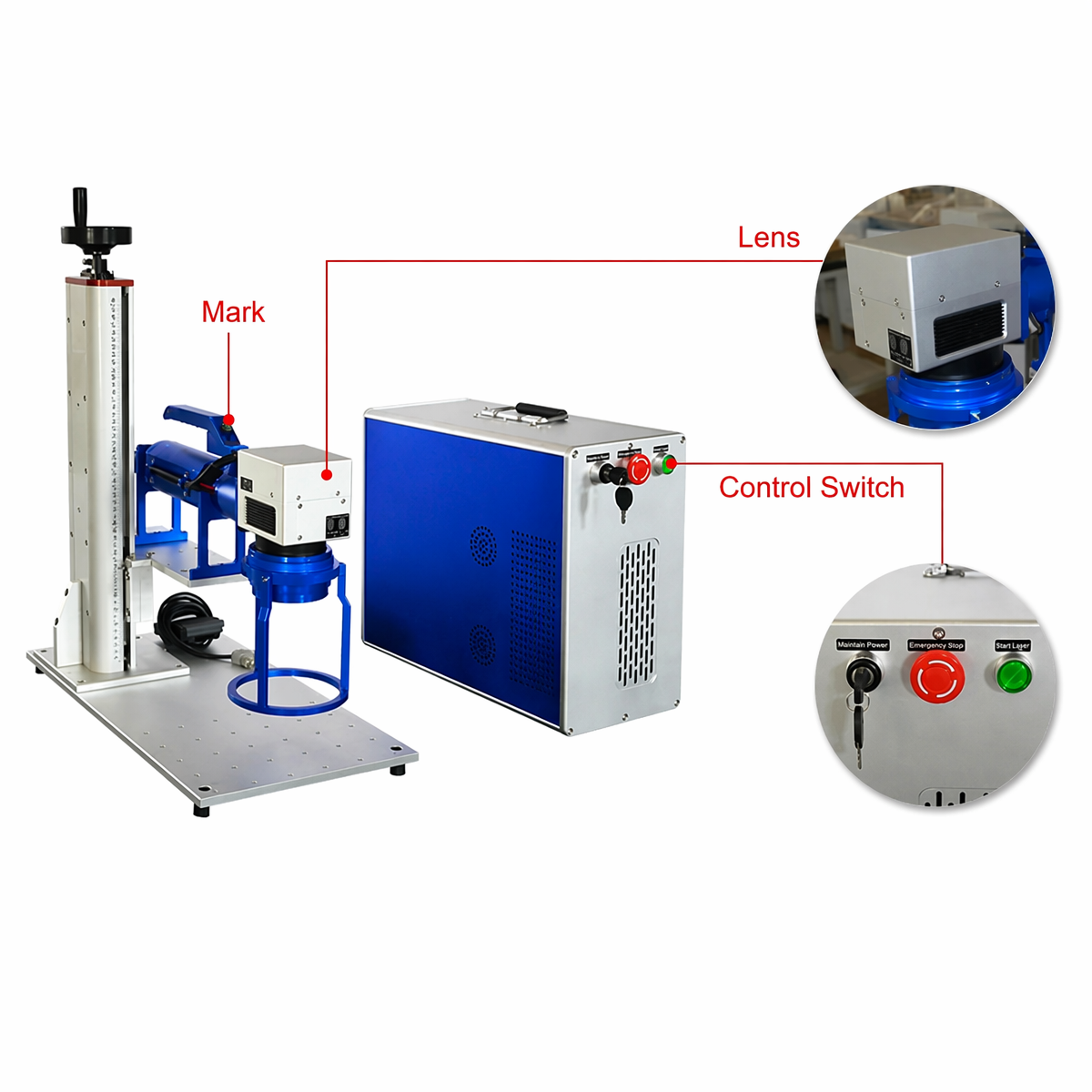
Products Number: Handheld Stainless Steel Fiber Mark Laser Engraving Machine
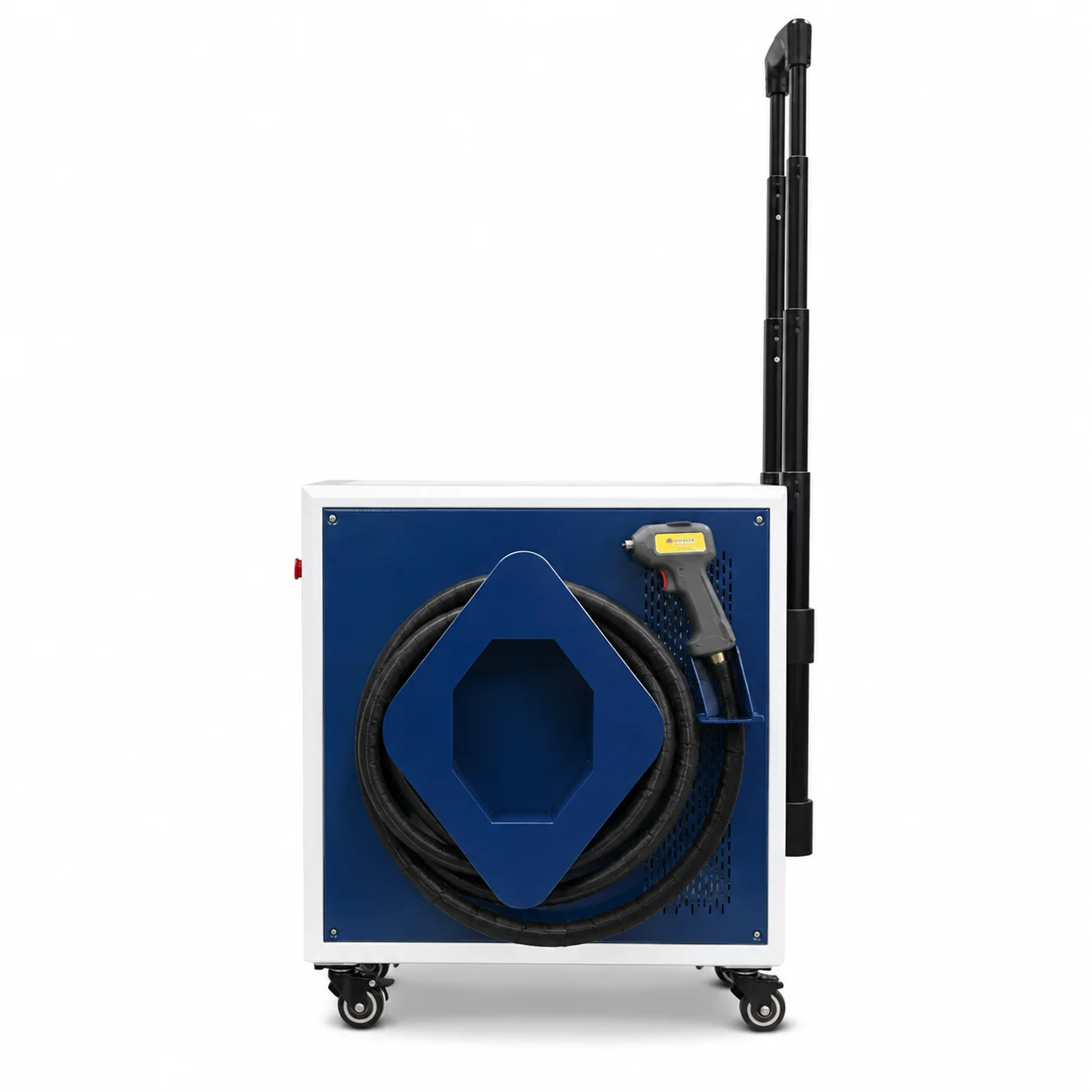
Products Number: 500W Pulsed Portable Laser Rust Removal Machine for Heavy Duty Metal Cleaning with Trolley
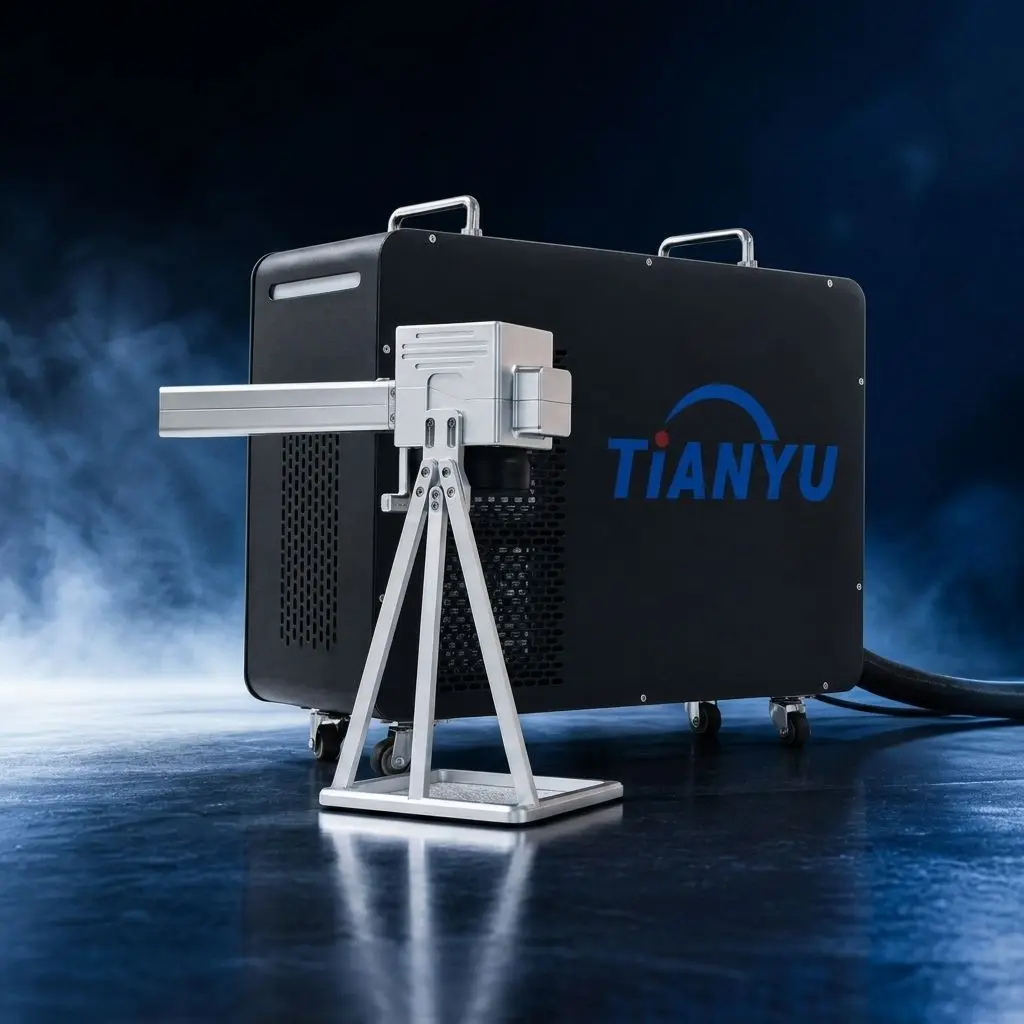
Products Number: 200W 3 in 1 Portable Pulsed Laser Cleaning Machine for Metal Mold Rust Paint Oxide Removal
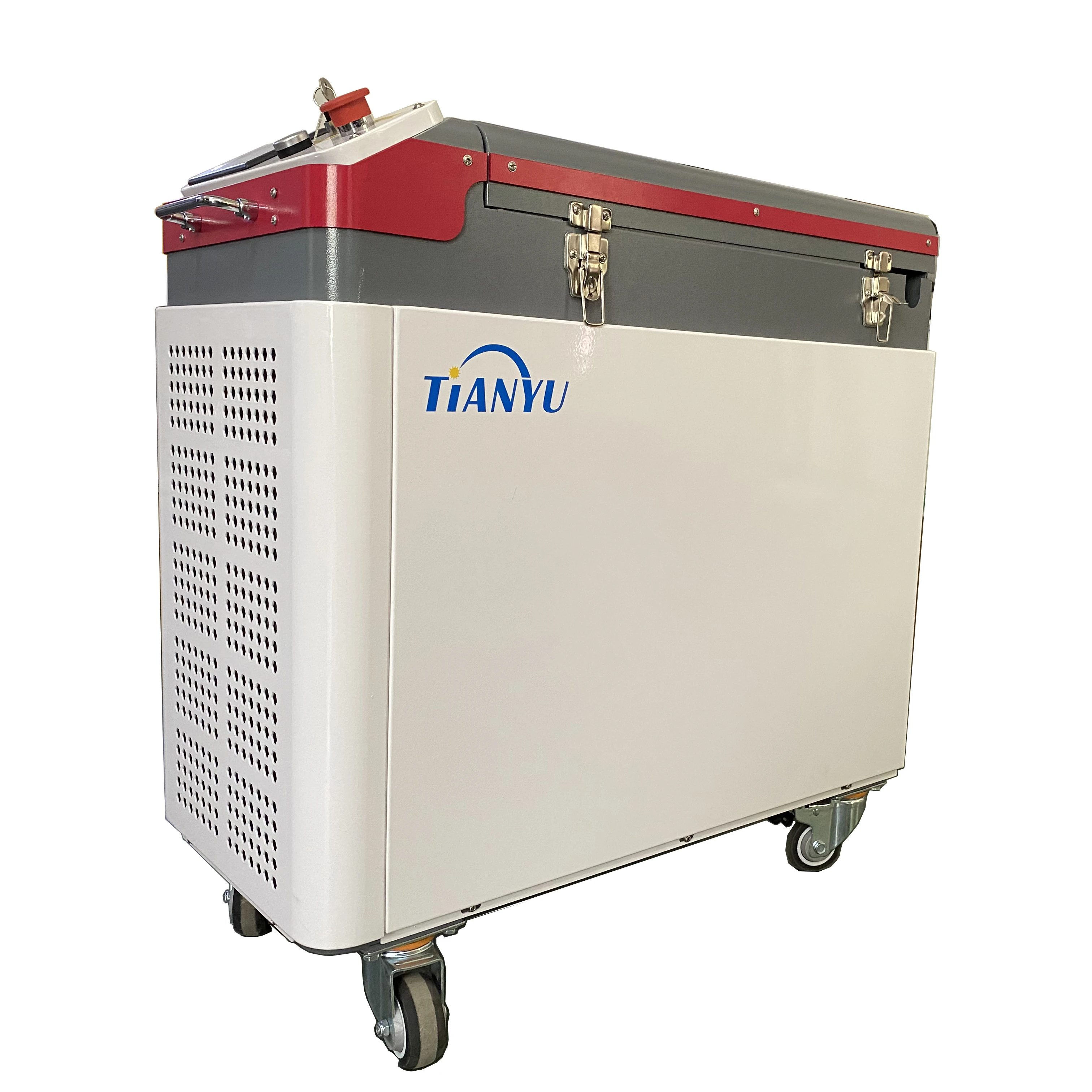
Products Number: Multi-Mode Pulse Laser Cleaning Machine for Household Wood Flooring and Patio Tiles JPT 300W 200W 500W
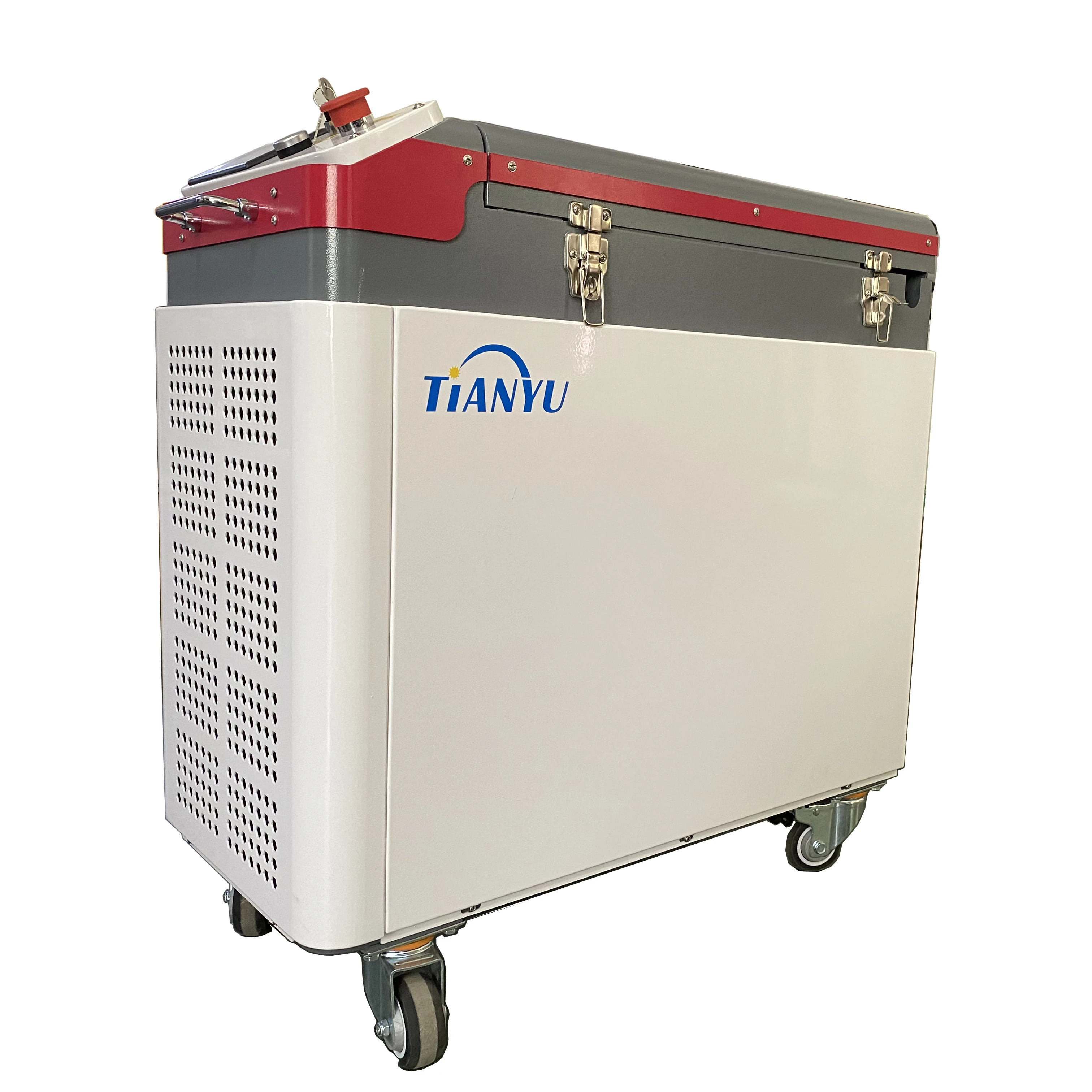
Products Number: High-Precision Laser Cleaning Device for Wooden Floors and Home Patio JPT 300W 200W 500W
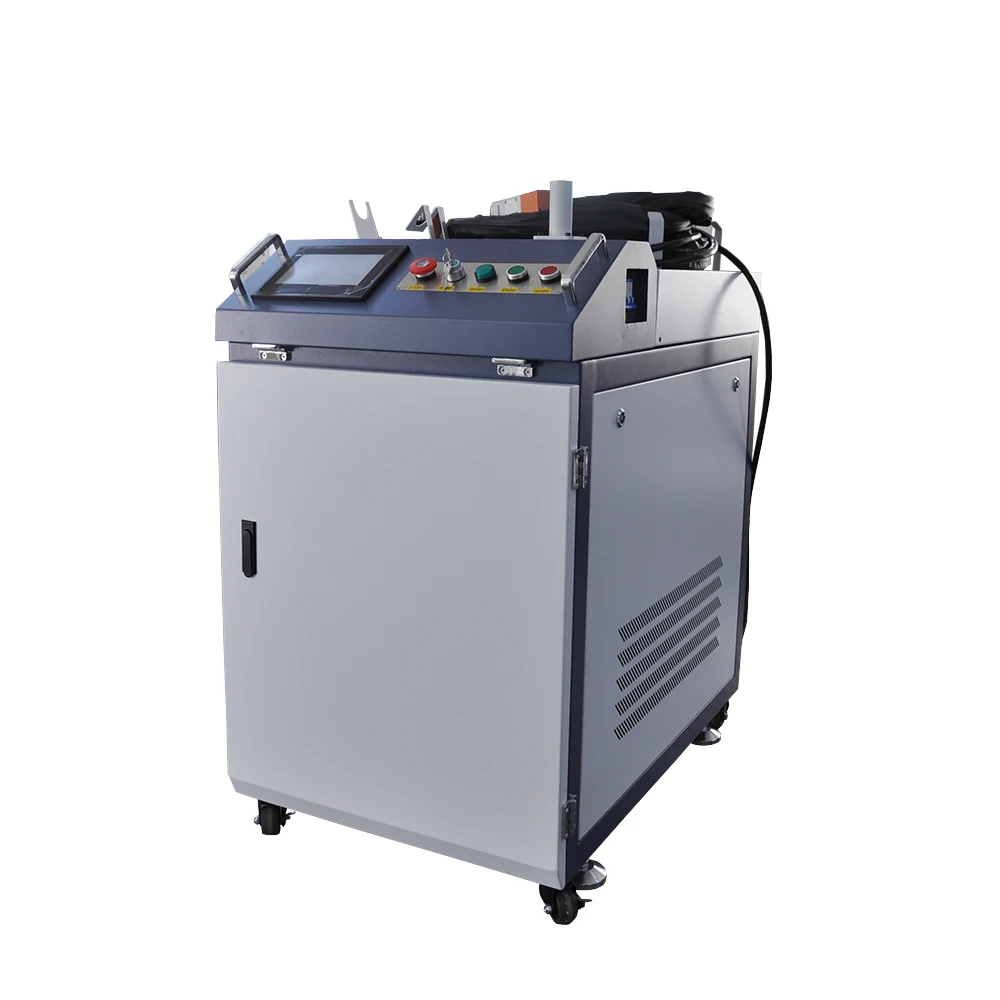
Products Number: High Power Long Time Work Rust Remover 2000w 3000w Laser Cleaning Machine Handheld Laser Fiber Cleaning Machine

 EN