
 EN



A Workshop That Replaced Acid With Light
Saving Thin Heritage Steel
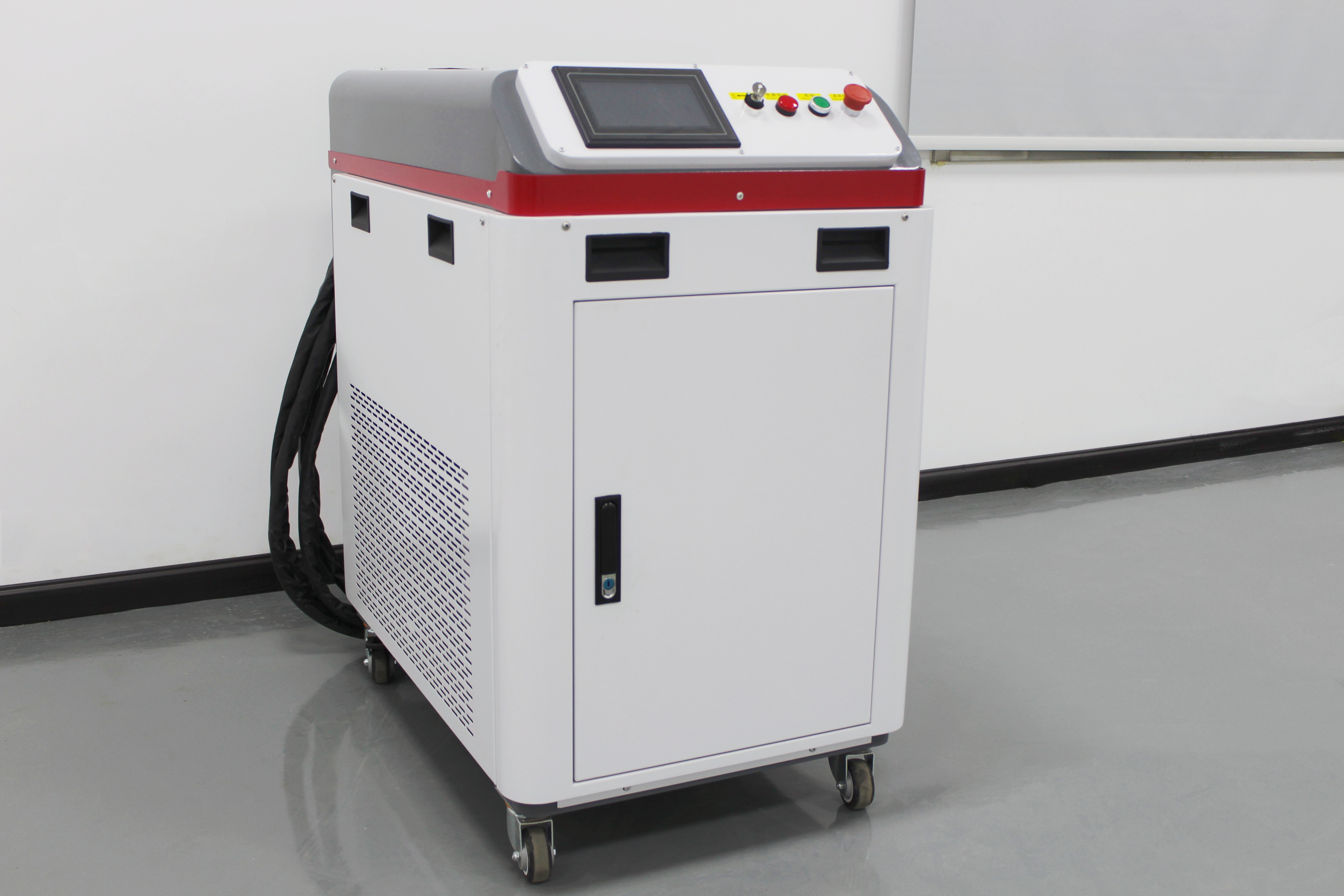
A small job shop restoring vintage motorcycle frames faced a hard choice that tested patience and skill. Acid baths stripped rust fast but thinned the already-fragile steel and created a hazardous waste stream the shop could not legally dispose of nearby. A pulsed laser rust removal machine let the team lift corrosion layer by layer, watching the metal appear instead of guessing how much acid had bitten that day on the part they valued.
The frames came out dimensionally intact, which mattered more than speed for parts no longer made anywhere in volume. A pulsed laser rust removal machine tuned to short pulses kept heat away from welded joints that a bath would have weakened over time and use. The shop later quoted restoration work it had refused before, because the process no longer risked destroying the very components the client wanted saved from the scrap bin by the team of technicians.
Beyond the Heritage Bay
This case shows the real benefit is control, not just cleanliness at the surface of the metal. Where the part has value beyond its weight, a pulsed laser rust removal machine protects geometry and history while still removing what time deposited on the steel. The trade is slower throughput than chemical or abrasive methods, a cost many owners accept when the alternative is scrap rather than a finished component that earns its keep in service and on the shelf.
A pulsed laser rust removal machine also suits mold texturing and tool repair where tolerances are tight and rework is costly to the business. The selective beam cleans cavities a cabinet blast cannot reach without damaging the surrounding form that the toolmaker spent hours perfecting. For shops serving aerospace and medical clients, that precision is the reason the fiber gun earns a permanent place beside the bench rather than in a storage room.
Risks in Pulsed Laser Rust Removal
Pulse Mis-Setting on Thin Parts
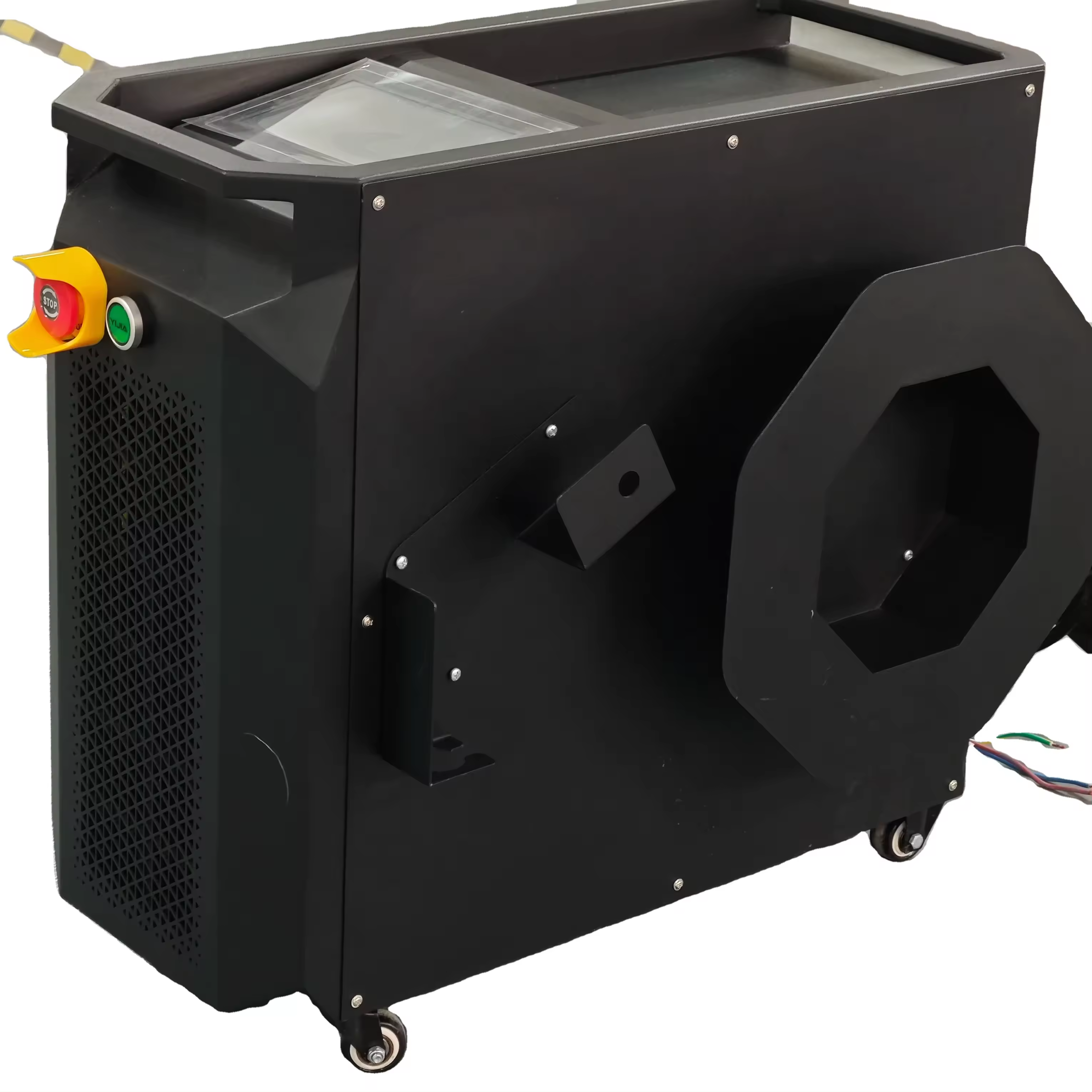
Pulse mis-setting is the first risk that operators must respect on every job they run. A pulsed laser rust removal machine removes rust by crossing the contamination's ablation threshold while sparing the base metal, and the window is narrow on thin or coated parts. Wrong frequency or dwell burns the substrate instead of the crust that sits on top of the surface. The operator's settings, not the badge, decide whether the result is clean steel or a scarred surface needing fill and rework later.
Fume, Reflection, and Portability
Fume and reflection control form the second risk that the safety file addresses directly and firmly. A pulsed laser rust removal machine releases particulate and occasional hazardous vapor as rust and old paint lift, so rated extraction is required by the standard for the site. Shiny steel reflects the beam farther than intuition expects, and the holder is closest to the hazard. IEC 60825-1 and EN 60825 safety, plus EN 12100 risk assessment, frame the enclosure and eyewear the job demands from the supplier who built it.
There is also the risk of over-trusting portability on a moving site without barriers. A pulsed laser rust removal machine moved outdoors or into an unbarriered bay loses the containment a fixed cabin provides by default in the factory. The advantage of a fiber-delivered gun becomes a liability when site discipline lags behind the procedure written for the cell. The process stays safe only when the setup matches the certified safety file, not when convenience trims the steps that protect the operator and bystanders nearby during the shift.
How a Pulsed Laser Rust Removal Machine Cleans
Short Pulses and the Ablation Threshold
The mechanism is selective ablation by short pulse that spares the base metal underneath the contaminant. A pulsed laser rust removal machine fires energy faster than rust can spread it, so the oxide heats and sheds while the steel underneath stays cool during the pass. The ablation threshold is the line between cleaning and cutting; staying just above it for the contaminant and just below it for the substrate is the entire skill of the parameter set that the technician sets before work begins on the part.
Fiber Delivery and the Standards Frame
Fiber delivery matters here for reach and safety in tight, awkward spaces that cabinets cannot serve. A pulsed laser rust removal machine sends the beam through a flexible fiber to a lightweight gun, reaching awkward welds, internal corners, and large parts that cannot enter a cabinet at all. Wuhan Maohe Tianyu Laser Equipment Co., Ltd. builds such sources from Optics Valley and serves 140-plus countries. TIANYU Laser pairs the pulse recipe with the part so thin sections survive the pass without warping under the heat that builds during a long session of cleaning work.
Standards support every safe clean that the machine performs on the floor of the shop. ISO 11553 covers laser processing machines, the EU Machinery Directive 2006/42/EC and CE marking govern compliant European units, and EN 12100 drives the hazard assessment for the site and the operator. A pulsed laser rust removal machine used inside that frame removes rust without the grit, water, or chemicals that other methods leave behind for the operator to manage afterward during the shift and at cleanup time.
Selection, Inspection, Use, and Maintenance
Selection
Choose a pulsed laser rust removal machine by the thinnest part you must clean, since that sets the safe pulse window for the job and the operator. Review the pulsed unit and the explanation of how the beam strips rust to match power to substrate. A source factory such as Wuhan Maohe Tianyu Laser Equipment Co., Ltd. can tune pulse and wavelength during its 4–6 week customization window for export buyers who need a specific fit to their parts and local compliance rules in the region.
A pulsed laser rust removal machine rated for the thinnest substrate avoids rework that would otherwise scrap a valuable component on the first pass. Buyers should ask the factory for a cleaned coupon of their own part before committing volume to a purchase order. Matching the beam to the metal is the difference between a repeatable process and a costly experiment that no quality manager wants to explain to a client who received a damaged part.
Inspection
Before each shift, confirm lens clarity, interlock trip, extractor flow, and fiber condition on the pulsed laser rust removal machine you operate daily on the floor. A filmed optic scatters the beam and risks a burned lens, while a blocked filter pushes fume back toward the work and the operator who stands close. Log the checks so a slow drift in airflow or power shows weeks before it affects a client's part and forces a stop that costs the shop both time and a missed delivery commitment to the customer waiting.
Use
Hold the recommended standoff and move in even passes so the pulsed laser rust removal machine crosses the ablation threshold without dwelling on one spot. Let a second light pass finish what the first softened; aggression only adds heat to thin steel and risks warping the part beyond repair. Train operators on reflection control and emergency stop, because the fiber gun reaches places where a stray beam can leave the intended safe zone quickly if discipline slips during a long shift on the line.
Maintenance
Keep optics clean, the chiller within spec, and a small spares kit on hand for the pulsed laser rust removal machine in service at the site where it runs. A named contact turns a failed lens into a brief swap rather than a line stoppage that halts production for days. Scheduled care protects beam quality on delicate heritage and mold work, where a single scorched pass can undo hours of restoration value in a moment and disappoint a client who paid for careful, conservative work.
Frequently Asked Questions
What are the benefits of a pulsed laser rust removal machine?
Answer: The main benefit is control: short pulses cross the rust ablation threshold while sparing thin or valuable steel, with no grit, water, or acid to manage afterward. A pulsed laser rust removal machine also reaches awkward welds a cabinet cannot, and leaves no secondary waste stream. The trade is slower throughput than blasting, accepted where the part's value outweighs speed on the floor.
Which parts suit a pulsed laser rust removal machine best?
Answer: Thin sheet, heritage steel, molds, welds, and large parts that cannot enter a blast cabinet suit it most. A pulsed laser rust removal machine protects geometry and coating where abrasive or acid would erode or weaken the base. Thick century-old crusts clean slower and may need higher power, yet the selective beam still avoids the dimensional loss other methods impose on the component.
Is a pulsed laser rust removal machine safe indoors?
Answer: Indoor use requires a fixed enclosure, certified laser eyewear, and rated fume extraction meeting IEC 60825-1, EN 60825, and EN 12100. A pulsed laser rust removal machine is safe only inside that controlled cell, because the beam and its reflections stay hazardous to anyone nearby. Without barriers and extraction, portability becomes an exposure risk no workshop should accept for the sake of convenience.
How is it different from a continuous laser cleaner?
Answer: A pulsed laser rust removal machine fires short bursts that spare heat-affected zones, while a continuous beam dumps energy steadily and risks warping thin parts. The pulse model suits delicate rust and coating work; the continuous model suits heavier, thicker scale at higher speed. Match the source to the part, because the wrong type trades finish quality for a falsely lower headline cost.
Can a pulsed laser rust removal machine damage the base metal?
Answer: Yes, if frequency or dwell crosses the substrate ablation threshold instead of the rust's. A pulsed laser rust removal machine scorches thin sheet and coatings when settings are wrong, so start on a scrap sample and raise power gradually. The narrow safe window on valuable parts is why parameter discipline, not raw wattage, protects the workpiece from permanent marking during use.
What maintenance does a pulsed laser rust removal machine need?
Answer: Daily lens and extractor checks, monthly beam-power and chiller-log review, and scheduled fiber inspection protect output. A pulsed laser rust removal machine ages through lens soil and cooling drift more than sudden failure, so logged duty beats a flat annual guess. Keep approved wipes and a named factory contact ready so a worn optic becomes a brief swap, not a stopped restoration job.