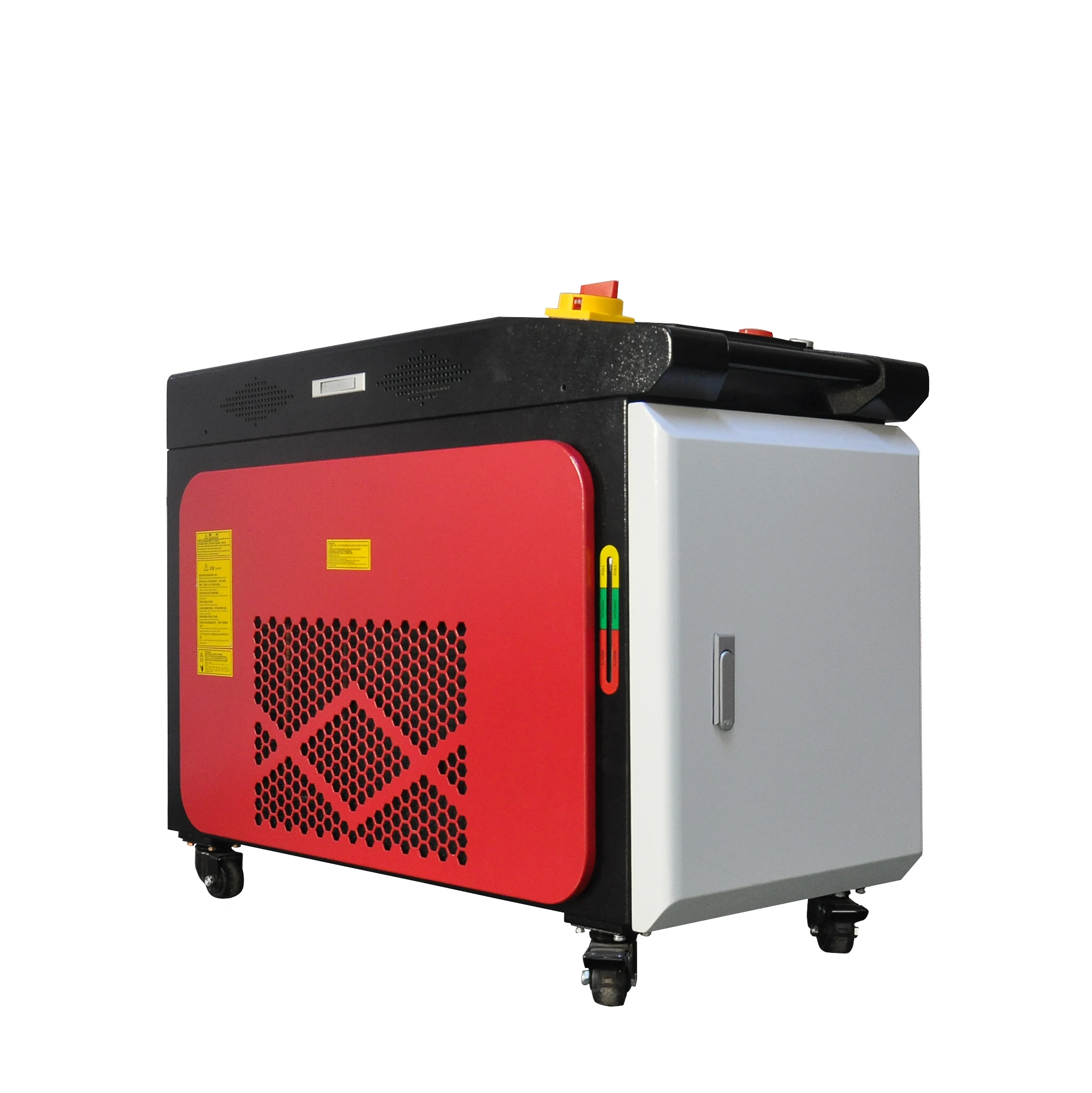
Highlight
High Power Options: Choose between 100w, 200w, 300w, or 500w for versatile rust removal needs.
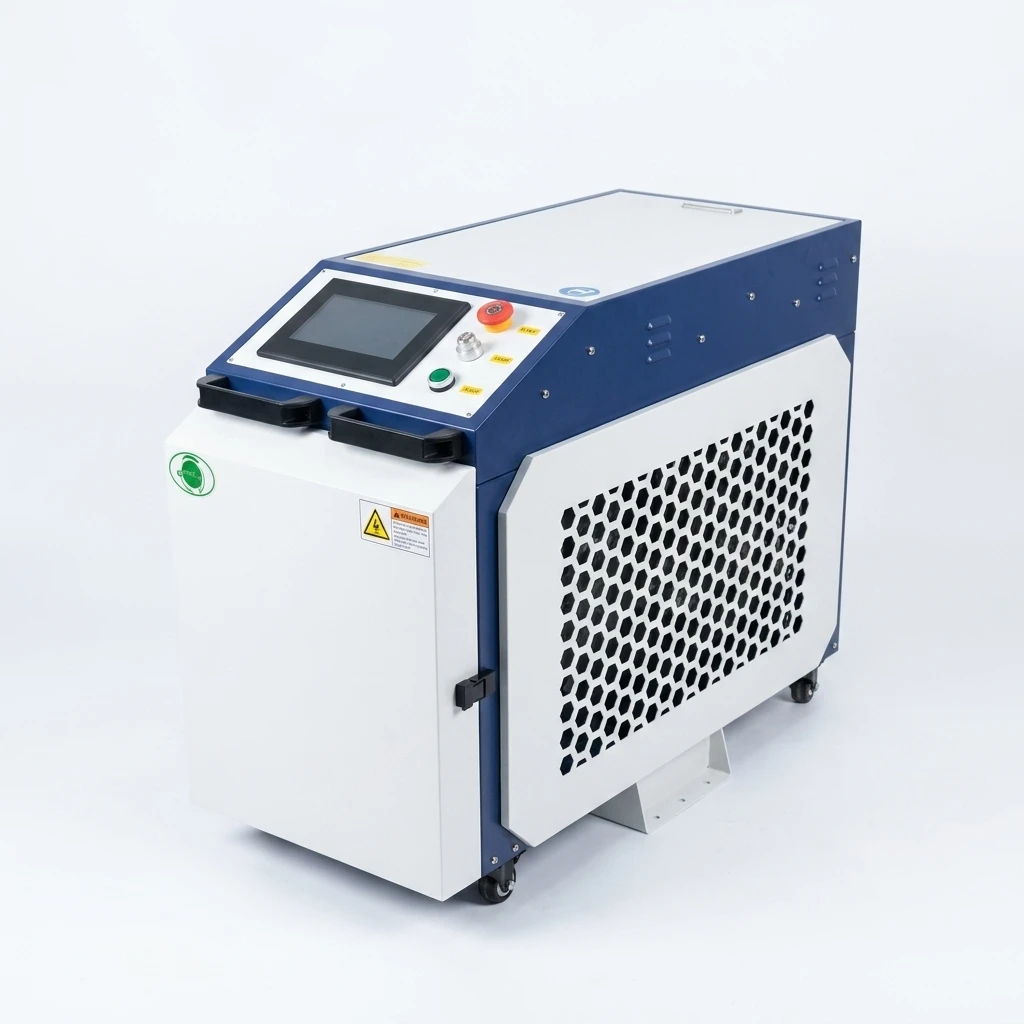
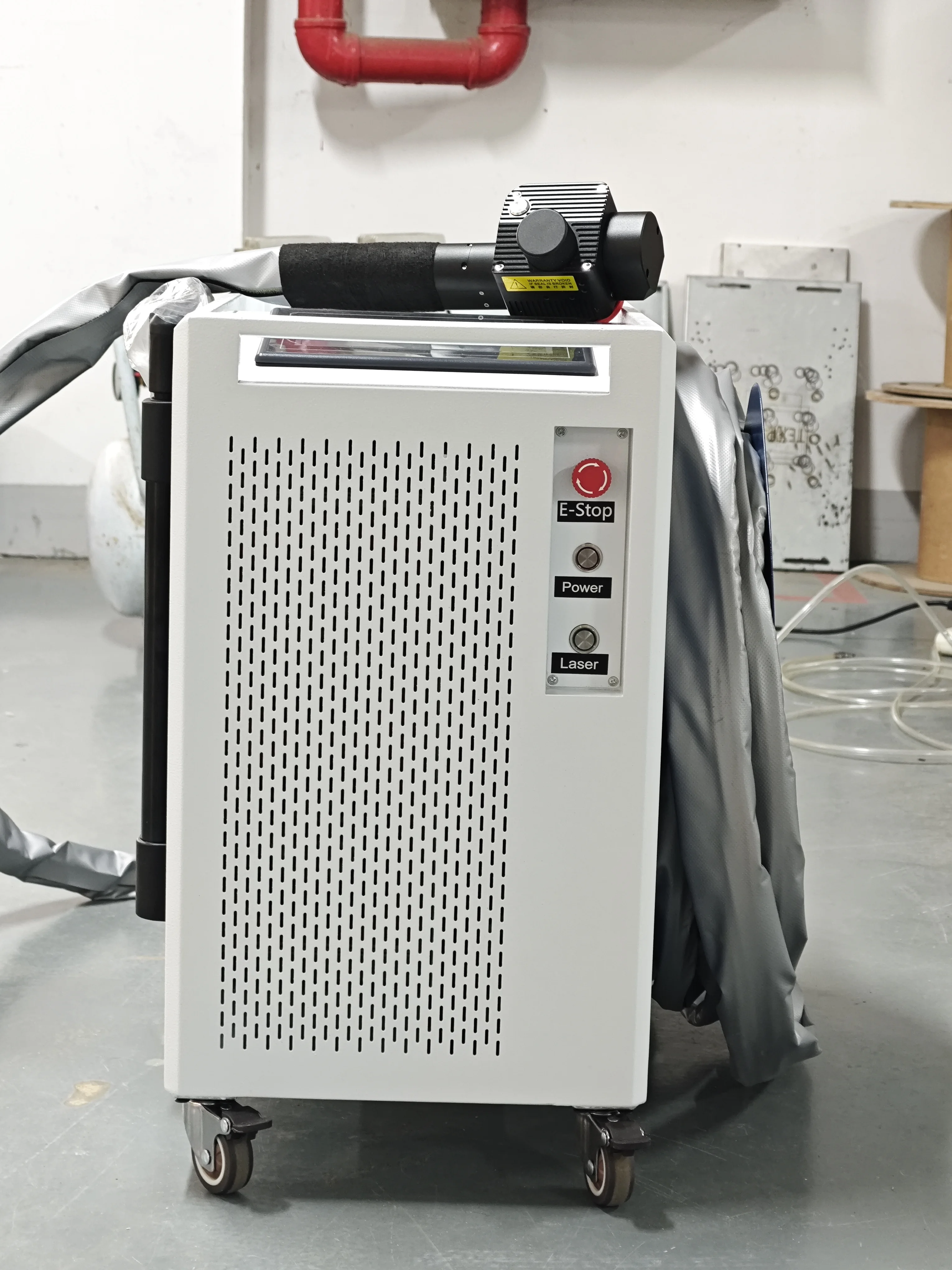
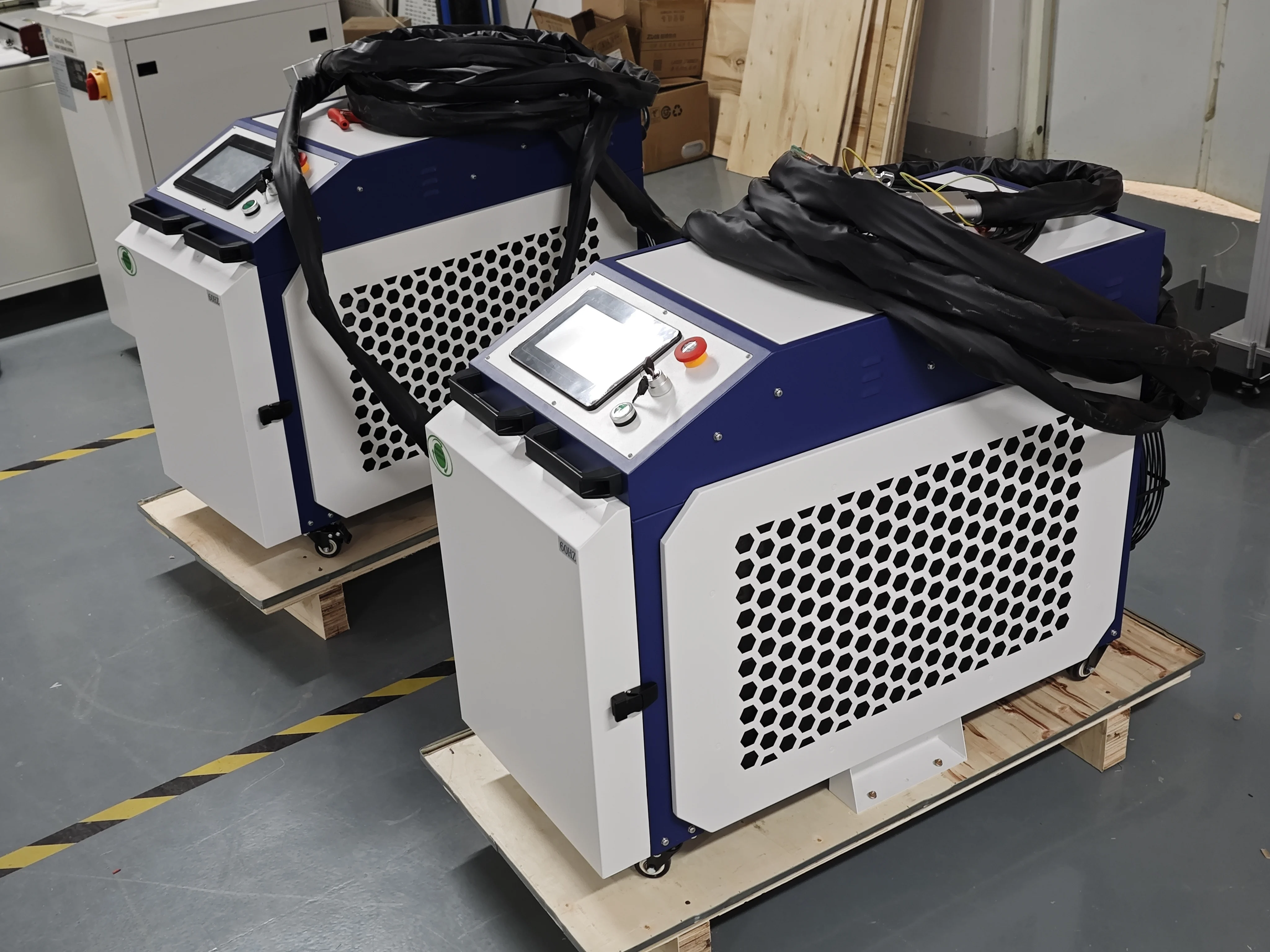
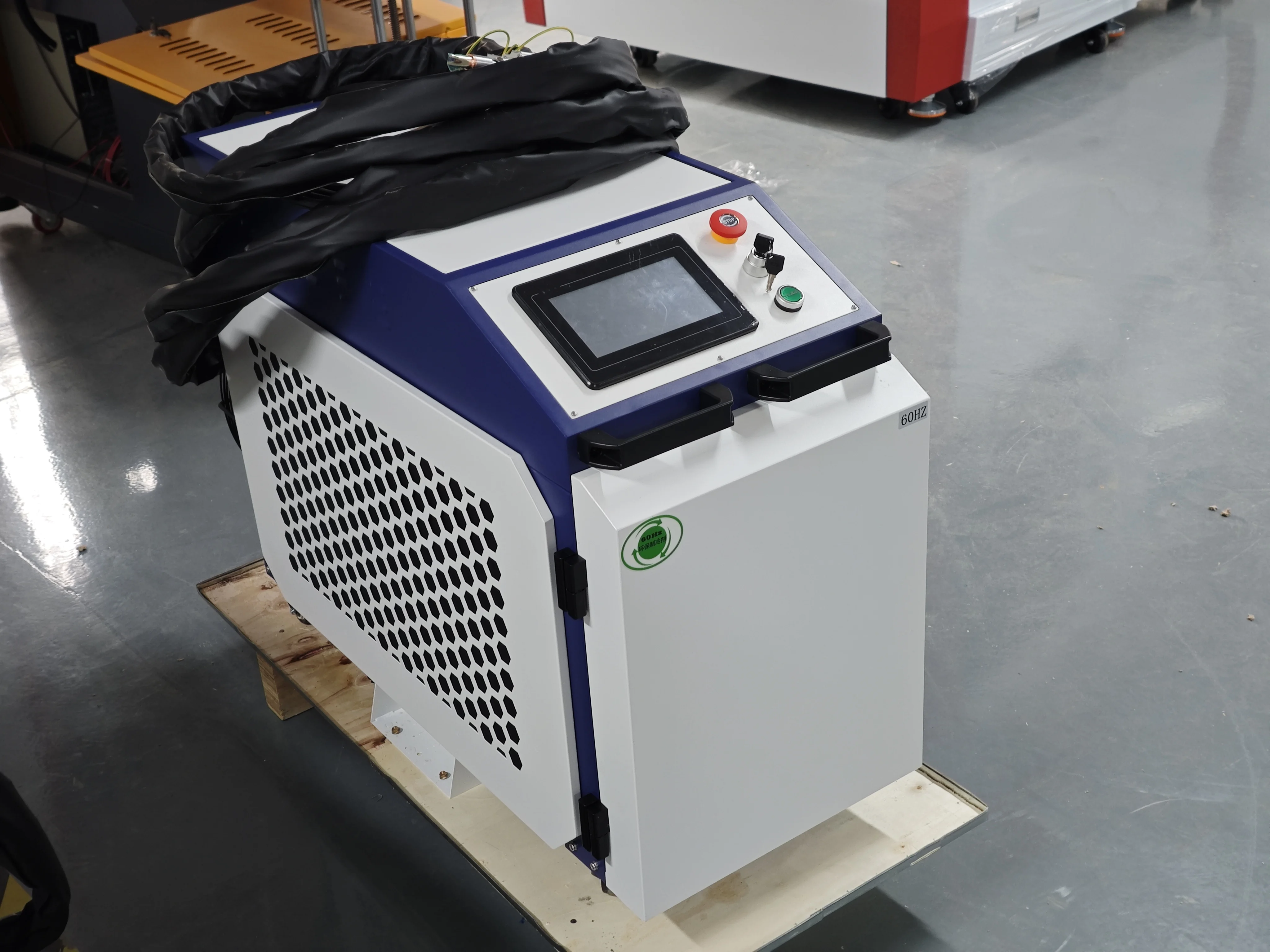
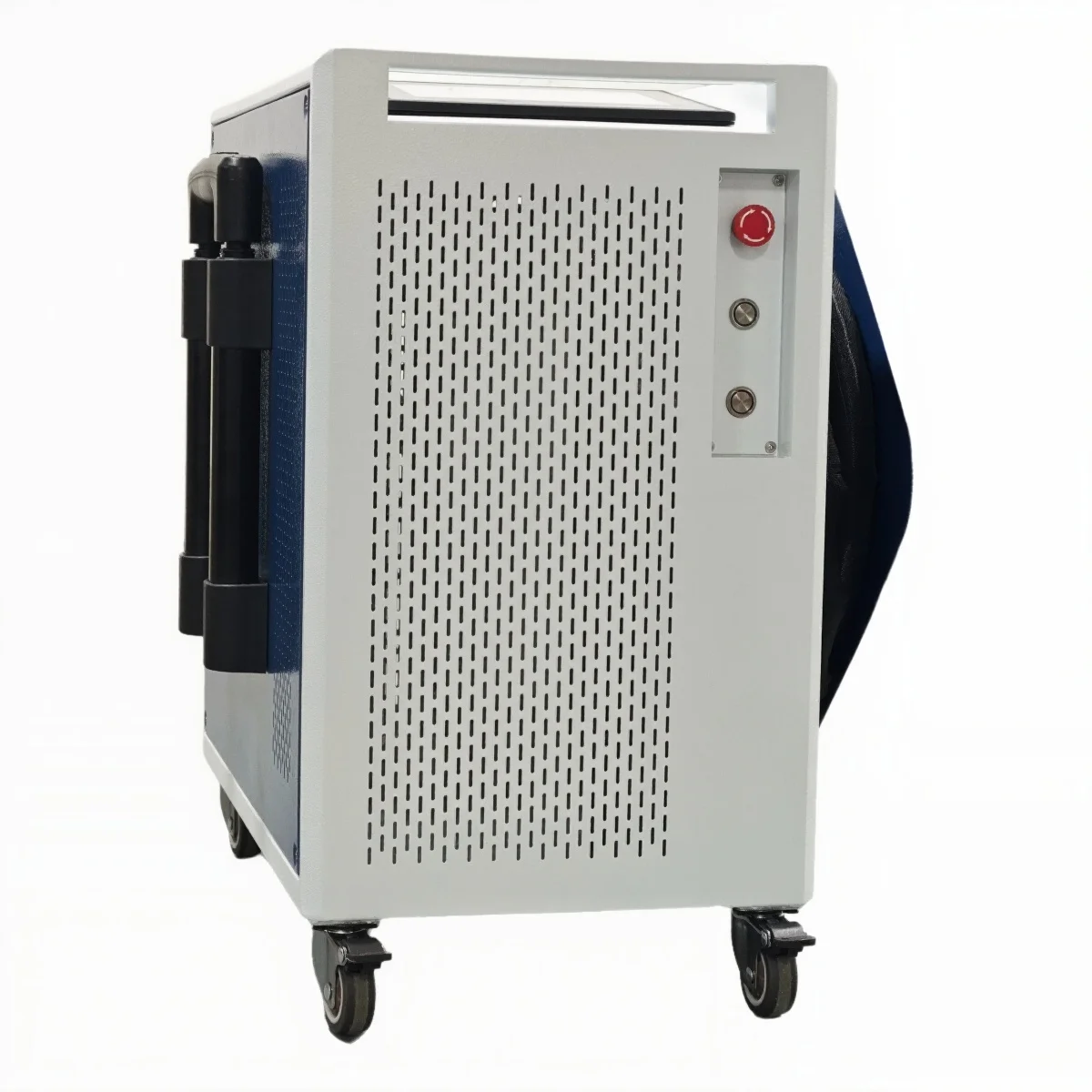
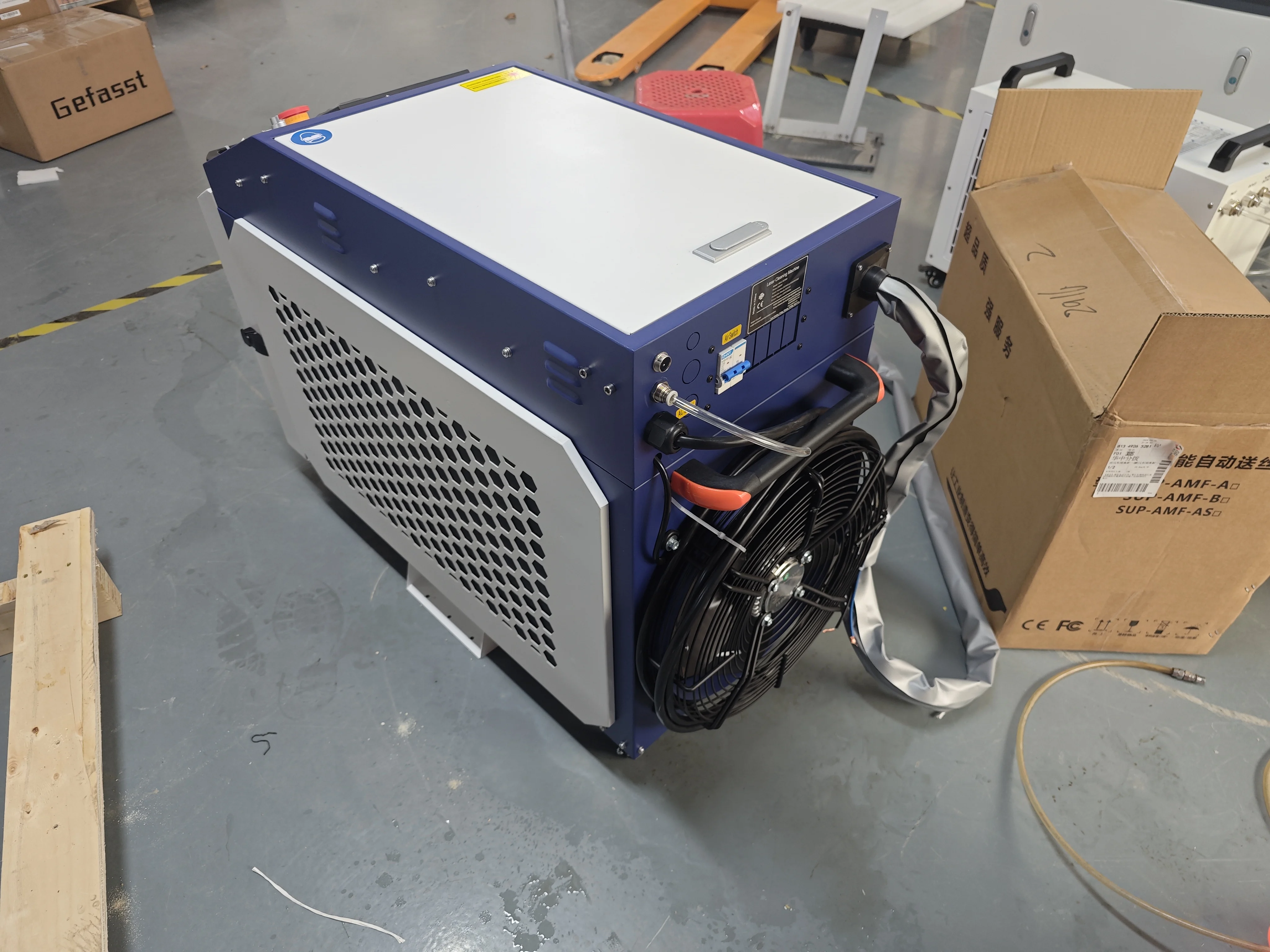
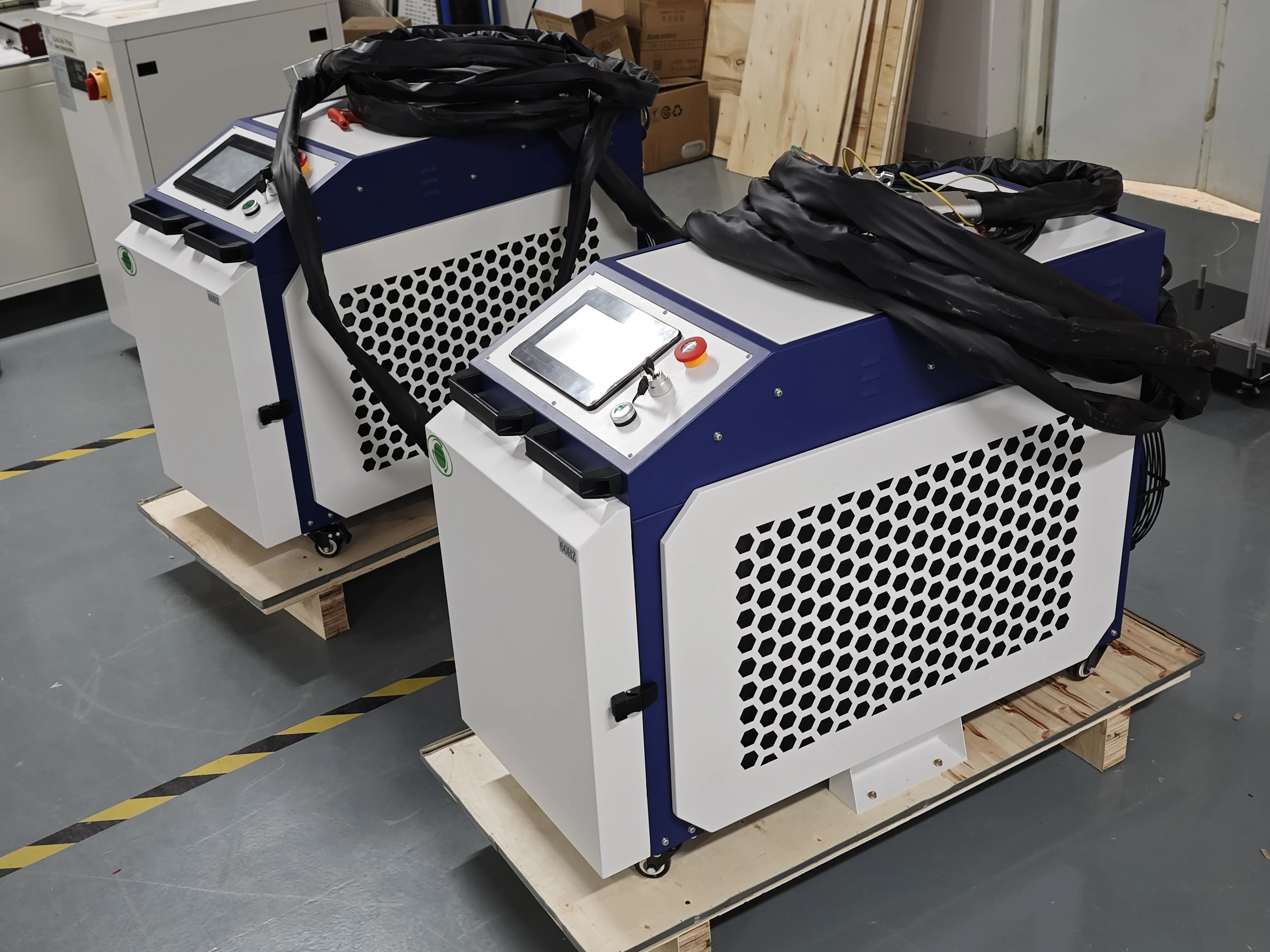
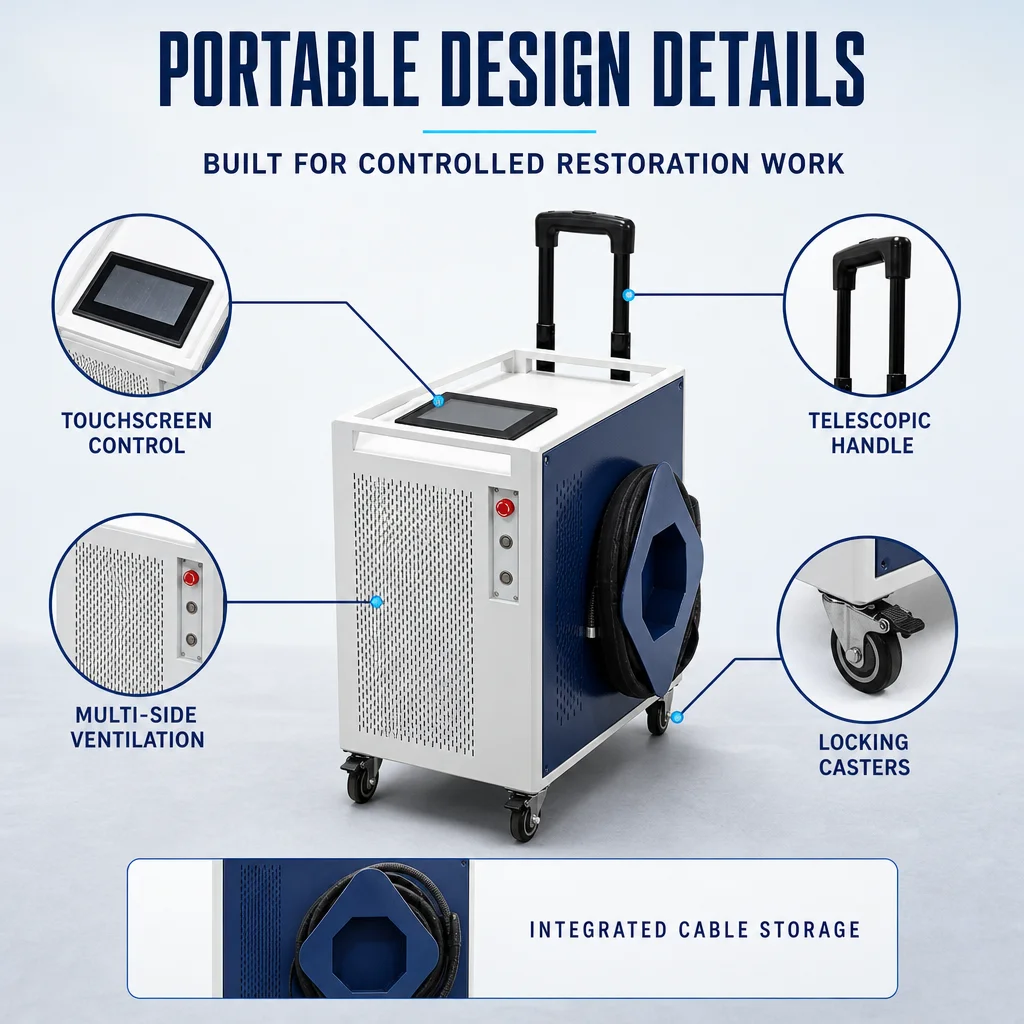
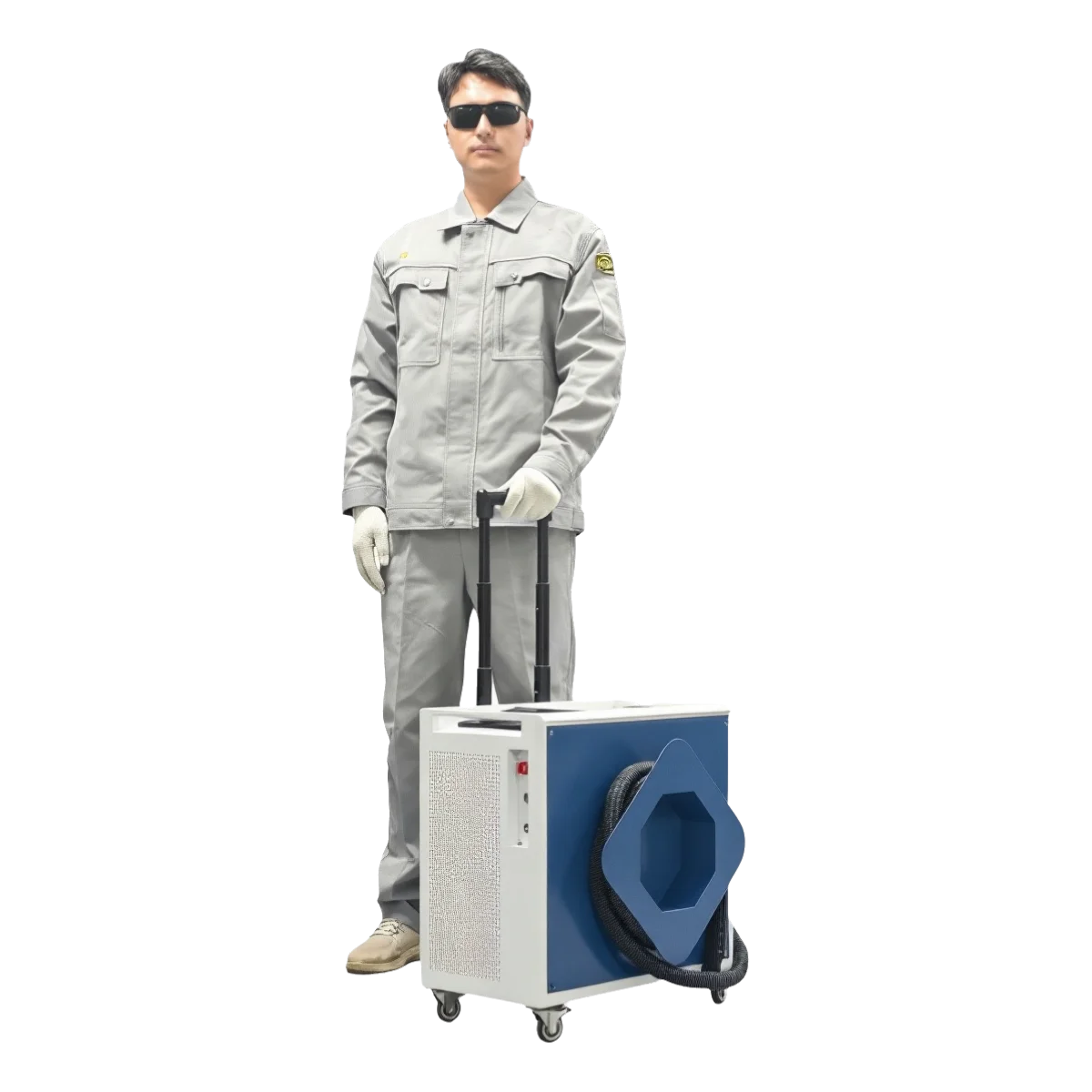
Portable Design: Compact and lightweight, ideal for on-the-go cleaning tasks.
Fast Cleaning Speed: Efficient at 15-30 m²/h, suitable for large areas.
Wide Cleaning Range: Effective on surfaces up to 100-200 mm wide.
Aluminum Body: Durable construction ensures long-lasting performance.
Product Details
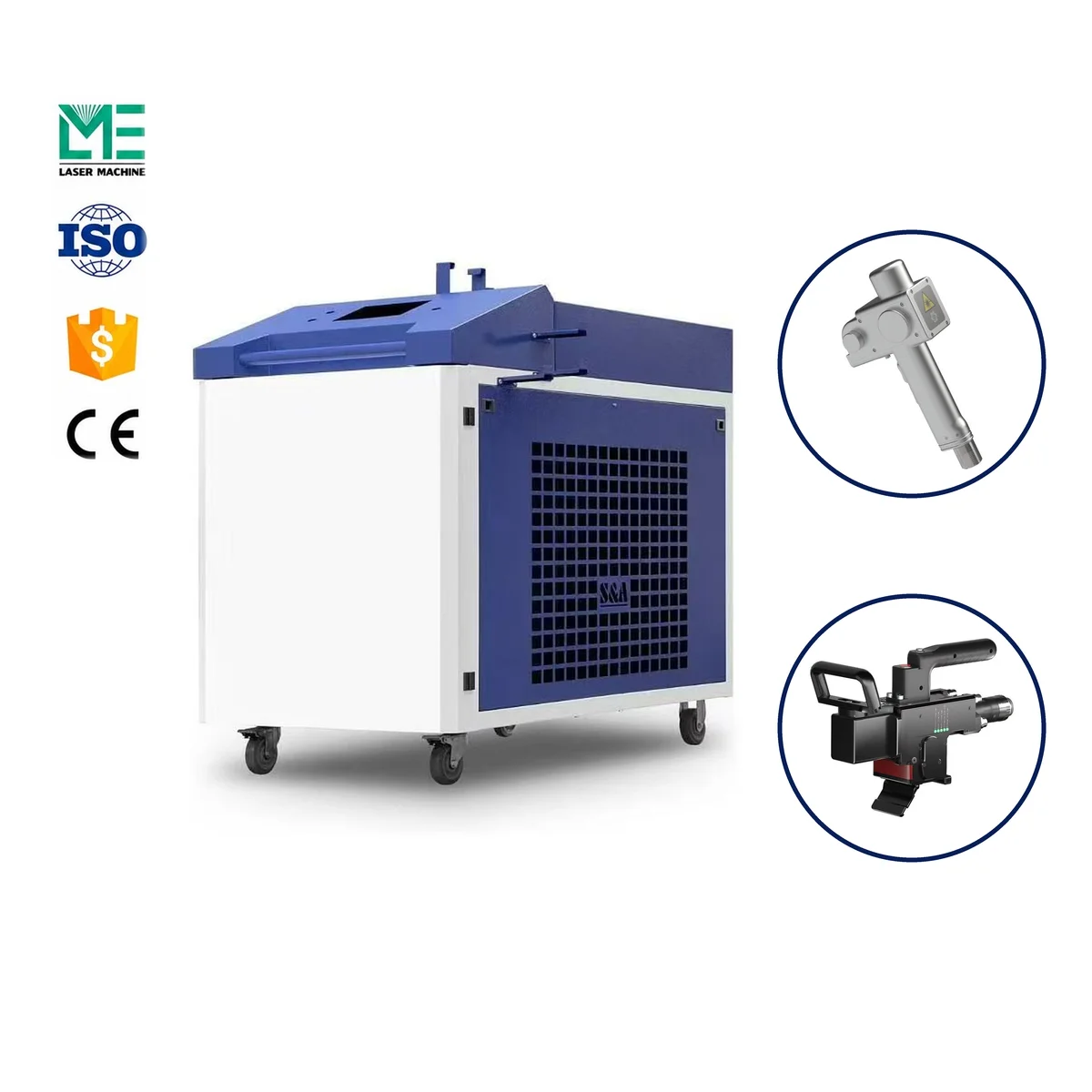
Light does the work, not grit or solvent. A pulsed fiber laser is swept across the surface by a handheld head, and the layer that has to go—rust, scale, paint, oxide, oil—absorbs the energy faster than the metal below it, heats, loses its bond and lifts away. The waste is a small dust plume caught at the nozzle. That is why the laser cleaning machine can work on a tank, a weld seam or a mould cavity where the part already sits.
Layers it takes off: flash and heavy rust, mill scale from hot rolling, heat tint and oxide around welds, paint and powder coating, release agent and rubber flash from moulds, oil films, salt left by sea freight, dust and moss on masonry. The substrate stays, provided the settings suit it. That proviso is the whole job: run a laser cleaning machine too hot on thin sheet and it marks the surface, run it too soft on thick epoxy and the layer stays.
The headline rate of 15 to 30 m²/h is a working band, not a promise. It assumes ordinary rust or paint, a reachable surface and a steady hand; pitting, thick coatings and vertical faces pull the number down. Power works the same way: 100W for light films and repairs, 200W for routine maintenance, 300W for thicker layers and production work, 500W where the area is large and the laser cleaning machine has to hold pace with a shift. The 100-200 mm band puts more surface under the beam per pass at lower energy density.
Not every job suits it. Broad flat areas that need a blast profile are quicker with grit, deep pitting that has to be cut out is a machining job, and finish-critical surfaces—anodised aluminium, polished stainless, thin sheet—deserve a sample test first. A laser cleaning machine earns its place on selective work: parts that cannot be moved, and joints where the surrounding surface has to survive untouched.

 EN