
 EN




A Service Call That Prevented a Shutdown
A laser cleaning machine earns trust through small, routine checks rather than dramatic rescues. A neglected laser cleaning machine fails from small causes that compound into stoppages during busy weeks on the floor. The cases below show how attention prevents failures that ruin delivery dates and client confidence on a normal production line.
The Chiller Alarm That Saved a Line
A production supervisor noticed a faint chiller alarm during a night shift and logged it instead of resetting and forgetting. The next morning a technician traced the warning to a failing coolant sensor on a laser cleaning machine that had run two shifts daily for fourteen months. Replacing the sensor took twenty minutes; ignoring it would have cooked the source and stopped the line for a full week of lost orders from a key account expecting on-time delivery from the plant.
The same plant later added a monthly beam-check to its routine after the scare. A laser cleaning machine that slowly loses focus power hides the drift until finish quality drops and rework climbs across every batch the team ships. Catching the change early let the crew schedule a lens service during a planned lull rather than during a packed order window that no manager wants to interrupt for maintenance on a live line.
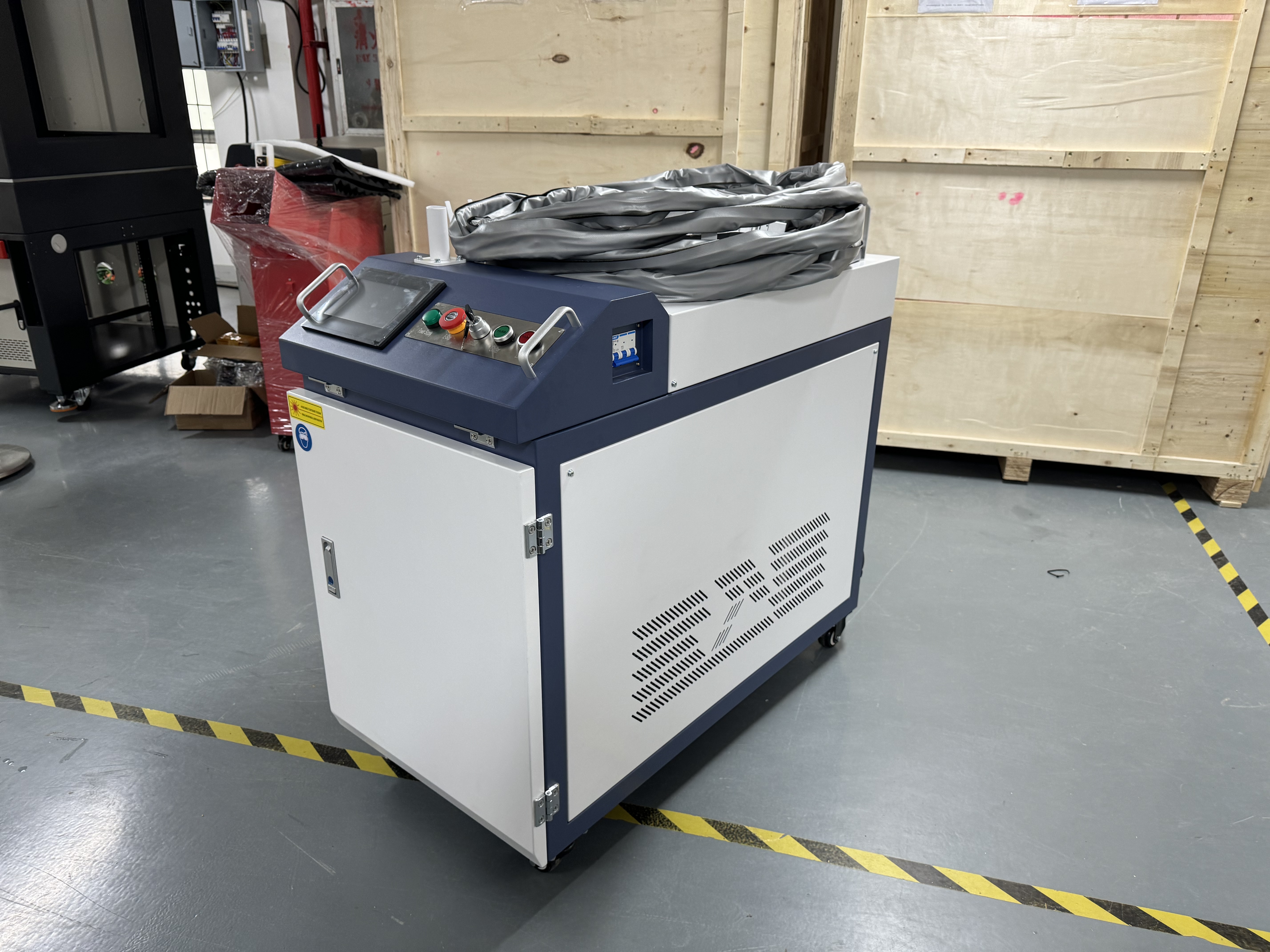
A Coating-Line Save After Summer
A coatings subcontractor learned the value of routine the hard way on a hot floor. A laser cleaning machine left unserviced through summer drifted out of its thermal window, and the source dimmed before anyone logged a reading that mattered to output. Finish rejects rose, and the cause was traced to a chiller radiator clogged with shop dust nobody had planned to clean during the humid months of the year and the peak season.
The supervisor now checks the laser cleaning machine before every long run and keeps a log book on the enclosure door. A laser cleaning machine that gets a two-hour clean restores output a blind rush would have blamed on the operator instead of the cooling loop. A laser cleaning machine that is logged well rarely surprises its owner during a later audit or inspection at the plant, and that protects the shop's reputation with its own customers.
Risks of Skipping Scheduled Service
Skipping service on a laser cleaning machine feels harmless until a small fault grows into a line stoppage that no one predicted at the morning meeting. The lifespan of a laser cleaning machine tracks how the owner treats the thermal path and the optics more than the calendar on the wall. The unit rewards attention and punishes neglect across every shift, so the risks below belong in the operating procedure operators follow before starting work on the floor.
Lens Contamination and Cooling Fatigue
Lens contamination is the first silent killer for any laser cleaning machine on a busy floor that runs long hours each day. The unit pushes a focused beam through an optical window that collects dust, smoke, and splatter from the layer it removes each pass. A filmed lens scatters energy, heats itself, and eventually cracks under load. The fix is cheap wipes on a schedule; the alternative is a burned optic and a stopped beam during a critical run that cannot wait for a spare.
Cooling and fiber fatigue form the second risk owners underestimate until it is too late. A laser cleaning machine depends on a stable thermal path, and a chiller that drifts out of spec quietly raises the source temperature on every cycle. Over months the fiber and diodes age faster, and pulse power sags below the tested band the factory validated for the model. Operators blame the substrate when the real fault sits in a coolant loop nobody inspected because the machine still switched on each morning without complaint from the panel.
Fume extraction clogging is the third overlooked hazard on most sites. A laser cleaning machine that vents through a saturated filter pushes particulate back toward the optics and the operator who stands closest. Skipped filter service raises both maintenance cost and exposure risk on the floor. EN 12100 risk assessment expects this path monitored, yet many sites service the filter only after airflow alarms force the issue during peak production from waiting customers who need their parts finished.
How a Laser Cleaning Machine Ages
Understanding wear starts with the beam path inside the laser cleaning machine on the bench where the team services it. The unit delivers pulses through a source, a fiber, a scan head, and a focus lens, and each stage declines at its own rate under real load. The lens soils fastest, the fiber loses transmission per thousand hours, and the source dims slowly unless heat stays controlled by a working chiller checked on time. Knowing which stage moves first shapes the service plan the team follows each quarter with good records from the field. Wuhan Maohe Tianyu Laser Equipment Co., Ltd. builds these systems for 140-plus countries and advises logging duty cycle so service intervals follow real load rather than a flat annual guess that fits no real workshop with variable demand.
Standards frame the safe service of every laser cleaning machine a buyer operates in the plant. IEC 60825-1 and EN 60825 define laser product safety, ISO 11553 covers the processing machine, and EN 12100 drives the risk assessment for your contaminant and enclosure. The EU Machinery Directive 2006/42/EC and CE marking sit behind compliant European units, so service should respect the original safety file and avoid modifications that weaken beam containment. A laser cleaning machine that is serviced to standard keeps both resale value and safety margin intact through the years of ownership and later resale.
Selection, Inspection, Use, and Maintenance
Selection
Choose a laser cleaning machine whose service parts are stocked and named by the factory, not a generic substitute that arrives late and unsupported. TIANYU Laser keeps fibers, lenses, and chillers available for its models, which lets planned service land on time without a long wait that stalls production. Review the pulsed hardware and the continuous option before specifying spares in the purchase order. Buying a laser cleaning machine without a written service plan is a false economy that costs more later than the first saving suggested to the team.
Inspection
Run a daily visual on lens clarity, interlock trip, extractor flow, and cable kinks, then a monthly beam-power and chiller-log check on the laser cleaning machine you rely on. A unit that passes both stays predictable through the quarter without surprises that cost money. Record readings so a slow drop becomes visible weeks before it hurts finish quality on a customer part, and keep the log beside the certificate so auditors see a living safety file that proves the machine was cared for.
Use
Operate the laser cleaning machine inside its tested pulse band and enclosure at all times, without exception on busy days when pressure is high. Pushing duty past the rated cycle overheats the source and compresses every service interval that follows the abuse by weeks of lost margin. Even passes and correct standoff protect the lens from splatter, the cheapest maintenance a user controls directly each shift. Train operators to stop on the first unusual smell or sound before damage spreads to the source and the schedule.
Maintenance
Schedule lens cleaning, chiller fluid checks, and fiber inspection on the duty load, not the calendar alone, for the laser cleaning machine in daily use at the site. A unit that gets seasonal service from a named contact avoids the long stoppages that surprise owners who wait for a fault during a peak. Keep a small spares kit on site so a twenty-minute swap never becomes a ten-day wait for a courier. A laser cleaning machine with a spares kit on site avoids the worst delays that hurt delivery commitments and customer trust during a busy season.
Frequently Asked Questions
How often should a laser cleaning machine be serviced in 2026?
Answer: Daily visual checks and a monthly beam-power plus chiller-log review suit most sites, with deep service timed to duty load rather than a flat year. A laser cleaning machine running two shifts on thick oxide needs shorter intervals than a light-duty unit. Logging hours lets the plan follow real wear, so service lands in a planned lull instead of during a packed order window.
What does a daily inspection of a laser cleaning machine include?
Answer: Check lens clarity, confirm interlocks trip, test extractor flow, and scan the fiber and cable for kinks or heat marks. A laser cleaning machine that passes these checks each shift avoids most sudden stops. Photograph or log the reading so a slow drift becomes visible before it degrades finish quality and forces rework on a customer's part during peak season.
Can the operator clean the lens, or does a technician do it?
Answer: A trained operator can wipe the outer window with approved materials on the daily check, but internal optics need a technician with the right tools. A laser cleaning machine lens scratched by the wrong cloth or solvent costs far more than the minute saved. Keep approved wipes on hand and forbid improvised cleaning that risks the coated surface of the optic.
Why does chiller service matter so much?
Answer: The chiller holds the source and fiber within their thermal window, and a drift raises temperature that ages diodes and saps pulse power. A laser cleaning machine with a neglected coolant loop loses output slowly until finish quality drops and rework climbs. Monthly fluid checks and a clean radiator protect the most expensive modules from a cheap, avoidable failure.
How can a service lead tell a laser cleaning machine is losing power?
Answer: Track beam-power readings against the factory calibration sheet each month; a steady sag signals aging optics or source dimming. A laser cleaning machine that needs longer passes for the same rust once cleaned quickly is telling you something. Sample coupons on a fixed part make the change obvious before a client notices inconsistent cleaning on their own components.
Should service follow IEC 60825 and ISO 11553?
Answer: Yes, service should respect the original safety file built on IEC 60825-1, EN 60825, ISO 11553, and EN 12100. A laser cleaning machine opened or modified outside that file risks beam containment and interlock integrity. Keep CE and Machinery Directive records with the unit so a technician services it to the same standard the notified body accepted at export.