 ×
×
Mar 31,2026
Eine umfassende Analyse der Vor- und Nachteile von gepulsten Laserreinigungsmaschinen: Von den Grundlagen bis zu praktischen Anwendungen – hilft Ihnen bei der Entscheidung, ob die Investition sinnvoll ist (Google-unabhängiger Website-Blog)
Im Bereich der industriellen Oberflächenbehandlung stehen herkömmliche Reinigungsverfahren (wie Sandstrahlen, chemische Mittel und Hochdruckwasserpistolen) vor Herausforderungen wie hohem Umweltstress, Schädigung des Grundmaterials und geringer Effizienz. Impuls-Laserreinigungsmaschinen als aufkommendes „grünes Reinigungswerkzeug“ gewinnen aufgrund ihrer berührungslosen, hochpräzisen und verbrauchsmittelfreien Eigenschaften rasch an Popularität. Sie nutzen kurze, energiereiche Laserpulse, um Verunreinigungen augenblicklich zu verdampfen oder zu entfernen, und werden bereits breit in Bereichen wie Automobilindustrie, Luft- und Raumfahrt, Werkzeugbau sowie Restaurierung von Kulturgütern eingesetzt.
Dieser Artikel bietet eine vielschichtige, schrittweise Analyse seiner Vor- und Nachteile: Zunächst werden die Grundlagen erläutert; anschließend folgen Vor- und Nachteile; danach ein Vergleich zwischen herkömmlichen Verfahren und kontinuierlichen Lasern; gefolgt von einer Analyse der Anwendungsszenarien; und schließlich ein Ausblick auf die Entwicklungstrends. Ob Sie als Einkaufsbevollmächtigter eines Werks, als Ingenieur oder als Branchenbeobachter tätig sind – hier finden Sie eine Entscheidungshilfe.
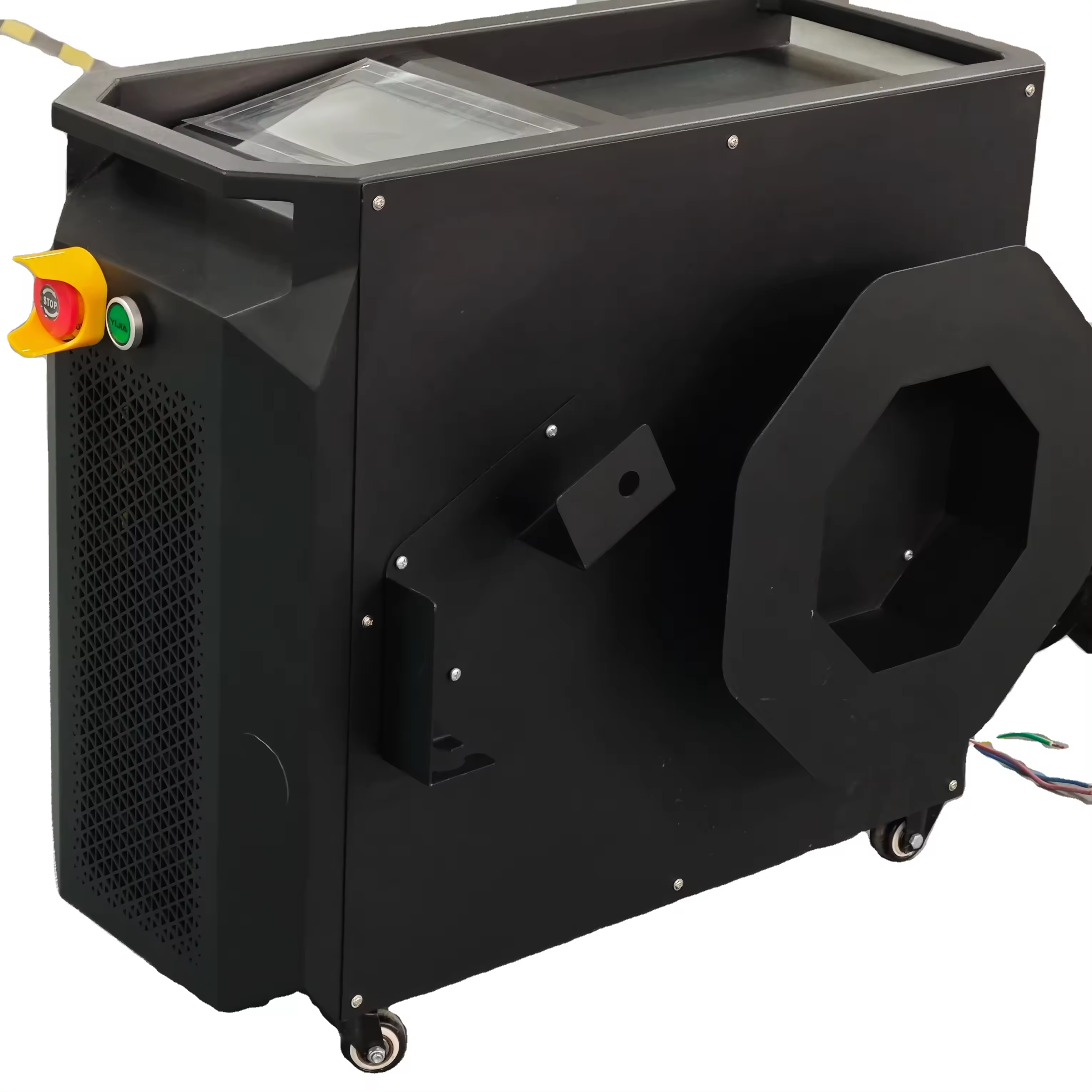 I. Was ist eine gepulste Laserreinigungsmaschine? Ein Schritt-für-Schritt-Leitfaden zu ihrem Funktionsprinzip
Eine gepulste Laserreinigungsmaschine nutzt einen Faser- oder Festkörperlaser, um hochenergetische Pulse mit Spitzenleistung im Nanosekunden- bzw. Pikosekunden-Bereich abzugeben. Nachdem der Laserstrahl fokussiert wurde, bestrahlt er Oberflächenverunreinigungen und erzeugt dadurch sofort physikalische Effekte wie thermische Ausdehnung, Verdampfung und Plasma-Schockwellen, wodurch Rost, Farbe, Oxidschichten und Ölflecken effektiv „weggesprengt“ werden, während das Substrat nahezu unbeeinflusst von der Wärme bleibt.
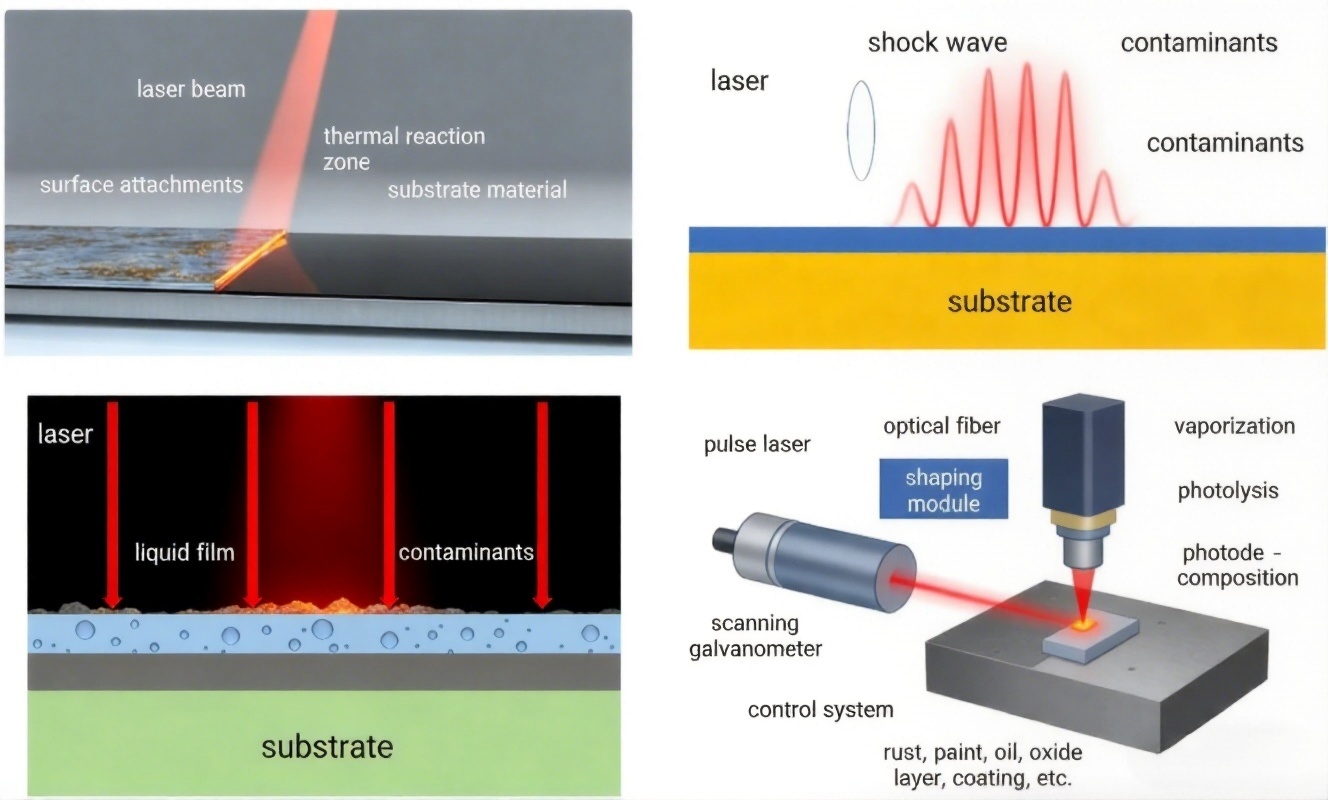
Erste Schicht: Die Laserenergie wird vom Schmutz absorbiert → schnelle Erwärmung und Verdampfung.
Zweite Schicht: Pulsierende Stoßwellen erzeugen mechanische Kraft → der Schmutz wird abgetragen.
Dritte Schicht: Präzise Steuerung der Energiedichte → wirkt ausschließlich auf die oberste Schicht (im Mikrometerbereich), mit minimaler Temperaturerhöhung im Substrat.
Im Vergleich zu Dauerstrichlasern (CW) weist der gepulste Betrieb eine kleinere Wärmeeinflusszone (HAZ) auf und eignet sich daher besonders für Präzisionskomponenten. Verschiedene Geräteausführungen sind verfügbar: Kofferform (portabel), Schrankform (industriell) und Roboter-integriert.
II. Vielseitige Vorteile: Warum gilt sie als „Reinigungsrevolution“?
Gepulste Laserreinigungsanlagen sind keine bloßen Ersatzwerkzeuge; sie übertreffen herkömmliche Verfahren in vier Dimensionen – Technik, Umweltschutz, Wirtschaftlichkeit und Handhabung – umfassend.
1. Technische Präzision und nichtzerstörende Vorteile (bevorzugt in der Präzisionsfertigung)
* Berührungslos, keine Abnutzung: Der Laserstrahl arbeitet „in der Luft“ und schützt das Substrat (z. B. elektronische Komponenten, Kulturgüter, Antiquitäten) perfekt.
* Hohe Selektivität: Es kann gezielt bestimmte Schichten entfernen (z. B. ausschließlich die Lackschicht, während die darunterliegende Beschichtung erhalten bleibt), mit einer Präzision im Mikrometerbereich.
* Hohe Oberflächenqualität: Nach der Reinigung verbleiben weder Rückstände noch Oxidationsverfärbungen; die Rauheit ist steuerbar, und die Haftfestigkeit kann sogar verbessert werden.
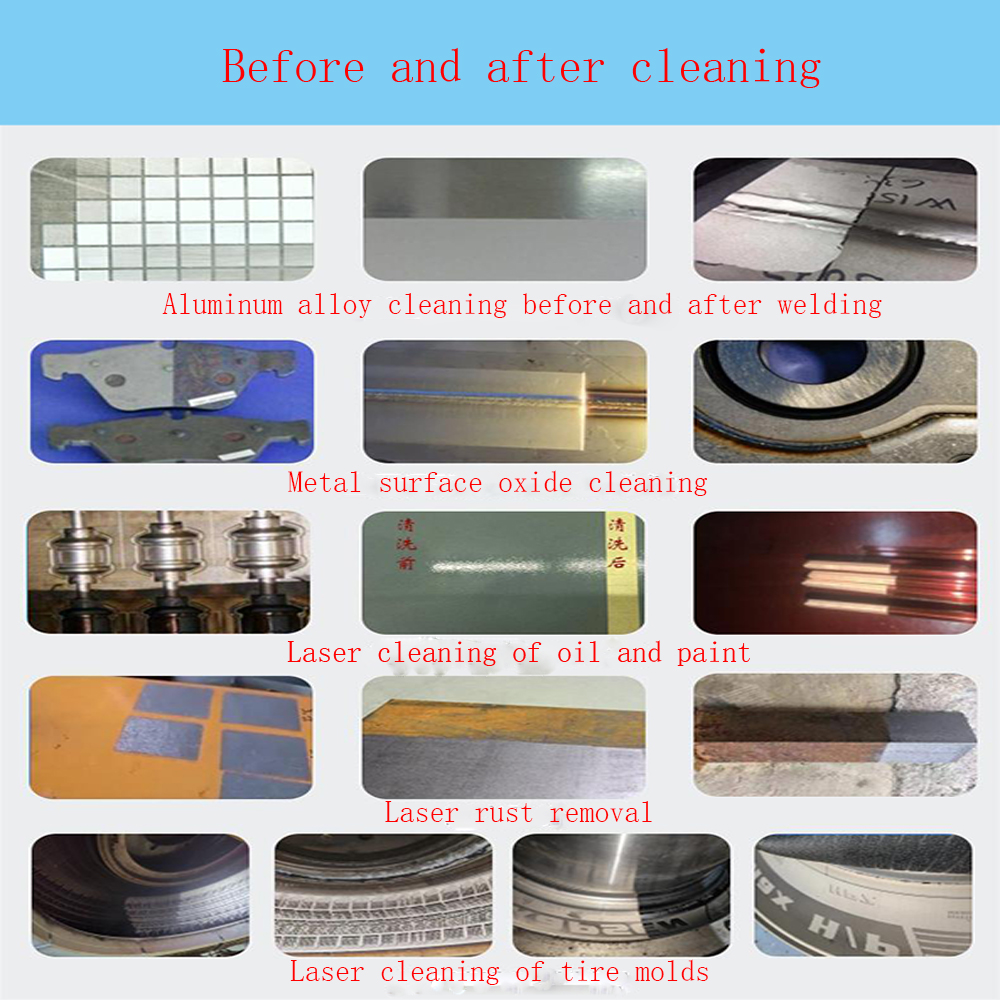
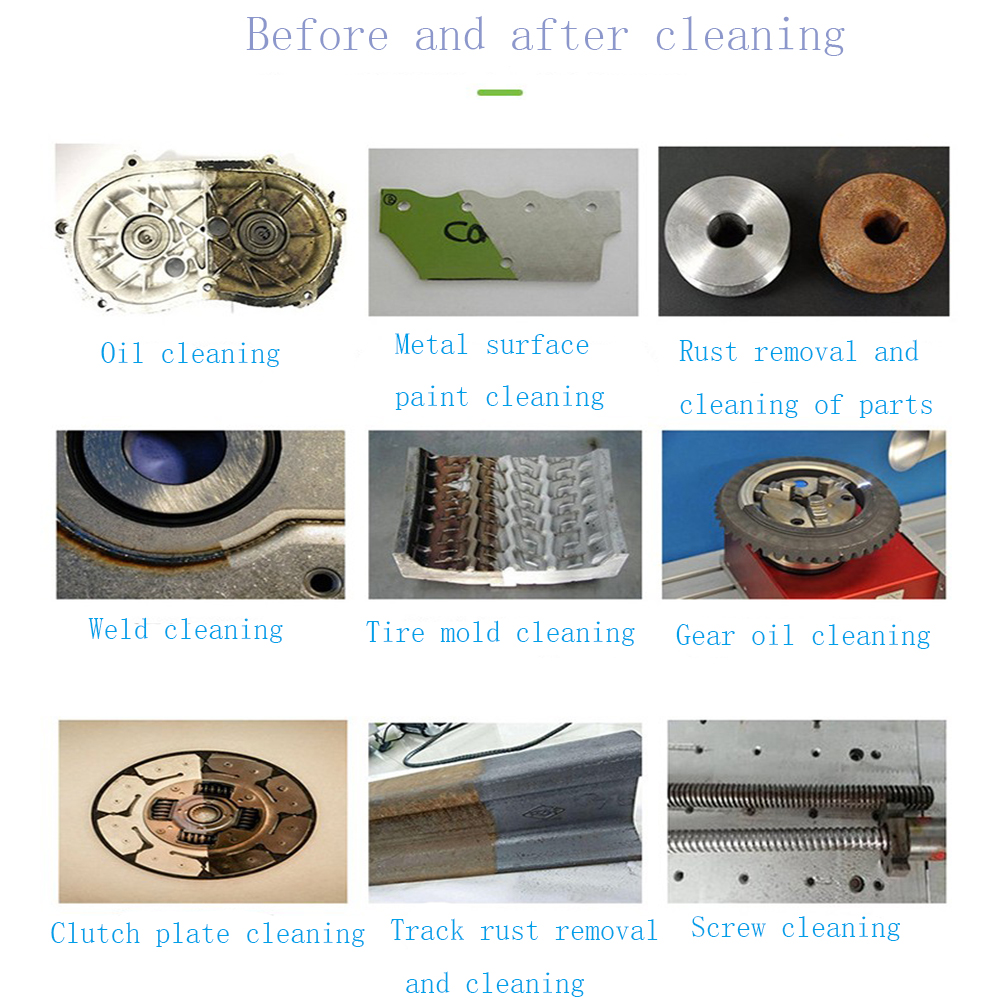
Vergleichsfotos vor und nach der Reinigung
2. Umwelt- und Nachhaltigkeitsvorteile (umweltfreundlicher, emissionsfreier Prozess)
Keine chemischen Mittel, kein Abwasser, kein Staub oder Abflussflüssigkeit: Schadstoffe werden in feine feste Partikel umgewandelt, die leicht gesammelt und behandelt werden können.
Erfüllt internationale Umweltstandards wie RoHS und REACH und unterstützt Unternehmen dabei, Klimaneutralität zu erreichen.
Im Vergleich zum Sandstrahlen (das große Mengen Staub erzeugt) oder der chemischen Reinigung (die giftige Abflussflüssigkeit erzeugt), ist die Laserreinigung nahezu „emissionsfrei“.
3. Wirtschaftliche und Effizienzvorteile (Erstaunliche langfristige Rendite)
Keine Verbrauchsmaterialien: Keine Schleifmittel oder Chemikalien erforderlich, lediglich Strom; die Reinigungskosten pro Quadratmeter liegen bei nur wenigen Cent.
Hohe Effizienz: Die Reinigungsgeschwindigkeit im Pulsmodus ist hoch (auf der Ebene von m²/Minute); nach Integration in automatisierte Systeme kann der Laser kontinuierlich 24 Stunden am Tag betrieben werden.
Geringer Wartungsaufwand: Die Lebensdauer des Lasers beträgt über 100.000 Stunden; die gesamten Betriebskosten liegen um 30–70 % unter denen herkömmlicher Verfahren.
4. Einfache Bedienung und multifunktionale Vorteile
Einstellung der Parameter per Knopfdruck (Leistung, Frequenz, Abtastgeschwindigkeit), benutzerfreundliche Oberfläche, keine fachliche Zertifizierung erforderlich.
Breite Anpassungsfähigkeit: Geeignet für Metalle, Nichtmetalle und Verbundwerkstoffe; handgeführter oder robotergestützter Betrieb – von großen Bauteilen bis hin zu kleinen Komponenten.
Gepulster Laser im Vergleich zur herkömmlichen Reinigung
| Abmessung | Puls-Laser-Reinigungsmaschine | Herkömmliches Sandstrahlen/chemische Reinigung | Herkömmliche Hochdruckreinigung/mechanisches Polieren |
| UMWELTSCHUTZ | Keine Umweltverschmutzung, keine Abflussflüssigkeit | Hohe Umweltverschmutzung (Staub/Abflussflüssigkeit) | Mäßige Umweltverschmutzung (Wasser/Staub) |
| Substratschäden | Nahezu null (extrem kleiner Wärmeeinflussbereich) | Hoch (Verschleiß/Korrosion) | Mittel (Kratzer/Verformung) |
| Genauigkeit | Mikrometergenaue selektive Reinigung | Niedrig (nicht präzise möglich) | Niedrig |
| Effizienz | Hohe Effizienz (schnelle Automatisierung) | Mittel | Niedrig (manuelle Wiederholung erforderlich) |
| Verbrauchsmaterialkosten | Keine | Hoch (kontinuierlicher Verbrauch von Sand/Chemikalien) | Mittel (Wasser/Zubehör) |
| Langfristige Kosten | Niedrig (Amortisationsdauer der Investition von 1–2 Jahren) | Hoch | Hoch |
| Anwendbare Szenarien | Präzision/High-End/Hohe Umweltschutzanforderungen | Großflächige Grobreinigung | Einfache Entfernung von Flecken |
III. Unvermeidliche Nachteile und Einschränkungen
Jede Technologie ist ein zweischneidiges Schwert, und auch gepulste Laserreinigungsgeräte weisen die folgenden Nachteile auf:
* Hohe Anfangsinvestition: Die Gerätepreise liegen zwischen mehreren zehntausend und mehreren hunderttausend Yuan (gepulste Geräte sind 20–50 % teurer als kontinuierliche Laser), was für kleine und mittlere Unternehmen eine hohe Eintrittsbarriere darstellt.
* Relativ langsame Reinigungsgeschwindigkeit: Bei dicken und hartnäckigen Verunreinigungen (z. B. dicken Lacklagen und großflächigem schwerem Rost) ist die Effizienz pro Puls nicht so hoch wie bei Hochleistungs-Kontinuierlasern.
* Technische Schwellenwerte und betriebliche Anforderungen: Eine professionelle Parameteranpassung (Energiedichte, Impulsbreite) ist erforderlich; eine fehlerhafte Bedienung kann das Substrat geringfügig beschädigen.
* Leistungs-/Flächenbeschränkungen: Tragbare Modelle eignen sich für kleine bis mittelgroße Bauteile; große Stahlkonstruktionen oder extrem dicke Beschichtungen erfordern weiterhin eine höhere Leistung oder mehrere Abtastvorgänge.
* Sicherheitsvorkehrungen: Aufgrund der Laserstrahlung sind Schutzbrillen erforderlich; die Betriebsumgebung muss gut belüftet sein (obwohl keine chemische Verschmutzung auftritt, entsteht eine geringe Menge Rauch und Staub).
Insgesamt konzentrieren sich die Nachteile weitgehend auf die „Anfangsphase“ und „spezifische Hochleistungsszenarien“, doch die Vorteile überwiegen diese nach langfristiger Nutzung deutlich.
IV. Praktische Anwendungsszenarien: Wo ist sie am dringendsten erforderlich?
Industrielle Fertigung: Entfettung von Werkzeugen, Vorreinigung von Karosserieteilen vor dem Schweißen, Entfernung von Oxidschichten von Triebwerkskomponenten für Luftfahrtanwendungen.
Restaurierung von Kulturgütern und Präzisionselektronik: zerstörungsfreie Reinigung von Antiquitäten, Entfernung mikroskopischer Verunreinigungen von Leiterplatten.
Maritime/Schienenverkehrsanwendungen: Entfernung von Rost von Schiffsrümpfen, Reinigung von Hochgeschwindigkeitsschienen.
Roboterintegration: Realisierung vollautomatisierter Produktionslinien.
Pulsierte Laser vs. Dauerstrichlaser: Welcher ist geeigneter?
| Projekt | Puls-Laser-Reinigungsmaschine | Kontinuierliche Laserreinigungsmaschine |
| Genauigkeit/thermische Wirkung | Extrem hoch (minimaler Wärmeeinflussbereich) | Mittel (hoher Wärmeeintrag) |
| Geeignete Verunreinigungen | Dünne Schichten, präzise Anwendungen (z. B. Oxidfilm, Mikrorost) | Dicke Schichten, große Flächen (z. B. starke Farbschicht, starker Rost) |
| Geschwindigkeit | Präzise, aber relativ langsam | Schneller (Großflächenreinigung, hohe Effizienz) |
| Kosten | Höher | Niedriger |
| Bestes Szenario | Elektronik, Kulturgüter, Formen, hochwertige Fertigung | Schiffe, Stahlkonstruktionen, grobe Reinigung in Chargen |
VI. Entwicklungstrends: Intelligente Automatisierung und breite Anwendung sind mittlerweile Mainstream (Ausblick auf 2026)
Intelligente Automatisierung: KI-gestützte automatische Parameteroptimierung sowie Roboter- und Visionssysteme ermöglichen vollständig automatisierte Produktionslinien.
Tragbarkeit: Kofferartige Geräte werden zunehmend leichter und eignen sich besser für den Einsatz vor Ort.
Ultrakurze Pulse: Pikosekunden- und Femtosekundenlaser reduzieren die thermische Schädigung weiter und finden zunehmend Einsatz in der Halbleiter- und Mikroelektronik.
Marktwachstum: Der globale Markt für Laserreinigung wächst mit einer hohen durchschnittlichen jährlichen Wachstumsrate (CAGR). Als führende Fertigungsnation bietet China heimisch hergestellte Geräte mit überlegener Kosten-Nutzen-Relation; die Marktdurchdringung wird bis 2030 voraussichtlich deutlich steigen.
Handlungsempfehlung: Fühlen Sie sich frei, im Kommentarbereich einen Kommentar mit Ihren branchen- bzw. spezifischen Anforderungen zu hinterlassen. Ich helfe Ihnen gerne dabei, geeignete Modelle oder Parameterlösungen zu empfehlen, und sende Ihnen kostenlos ein Reinigungsbeispielvideo sowie ein unverbindliches Angebot!
Gepulste Laserreinigungsmaschinen sind nicht nur Werkzeuge, sondern auch der Schlüssel zur Zukunft einer grünen und intelligenten Fertigung. Folgen Sie diesem Blog, um stets die neuesten Erkenntnisse aus der industriellen Lasertechnik zu erhalten!

 EN
EN